The Hard Truth About Free Activities in Spring Hill for Seniors
If you think you can find meaningful, enjoyable activities for seniors in Spring Hill without spending a dime, think again. The idea that there’s a treasure trove of cost-free options for our elders is a comforting myth, not reality. You might have been convinced, by local flyers or community chatter, that Spring Hill is a paradise of free fun for seniors. But I argue that this perception is both misleading and dangerous, especially in 2026, when economic and societal shifts are stripping away the illusion of accessible leisure.
We’re living in an era where everything seems targeted for commercialization, even the supposed free activities that once attracted our seniors. The truth is, what appears free on paper often comes with hidden costs—be it parking fees, equipment rentals, or the time lost navigating poorly organized events. The local festival scene, once a vibrant source of free community bonding, has become increasingly Ticketed or donation-only. The so-called “free” parks and trails are marred by maintenance fees, or they’re overcrowded, diminishing their value as genuine free spaces.
Let’s not ignore the elephant in the room: municipal priorities. Instead of investing in actual free activities, authorities focus on superficial events that do little to foster real community bonds. Our seniors deserve better than a patchwork of fleeting, pay-to-play opportunities. The notion that seniors can simply stroll into a park or community center and find a full day of free entertainment is a mirage, a mirage designed to keep us quiet while costs climb and options dwindle.
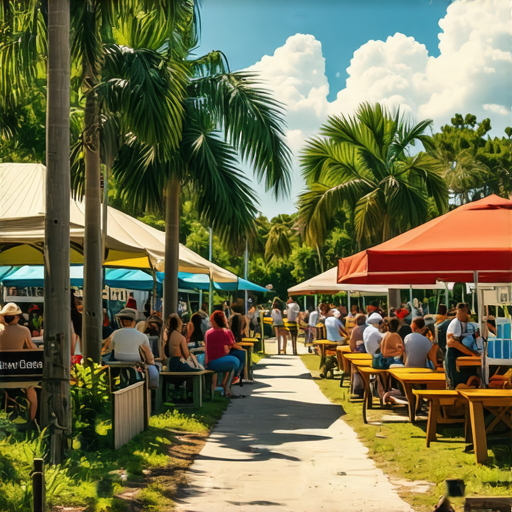
Consider the misleading allure of local festivals in Hernando County. Although many tout free admission, once you’re there, expenses quickly add up—concessions, parking, or optional paid workshops. Many so-called free events are used as a bait-and-switch tactic, luring seniors into a situation where they wind up spending more than they planned. The reality is that the community’s idea of “free” is shaped by the marketing, not the experience. As I argued in this recent piece, the local scene is increasingly focused on sales, not community service.
Furthermore, the rise of paywalled outdoor fitness trails and organized group walks in Spring Hill’s latest developments exemplify a troubling shift: even the health benefits supposedly gained from free outdoor activities are becoming commodified. The pandemic accelerated this trend, turning open parks into rental zones where the only free thing is the air, not the experience.
So, why are we still buying into this myth? Because it’s an easy lie. It’s easier to claim there’s a wealth of free activities than to acknowledge that genuine community engagement requires effort, investment, and some expenditure. It’s easier to pretend that seniors can simply show up and enjoy, rather than actively building programs that are truly no-cost and accessible.
Even the beloved kayak spots and river outings that once promised free adventure have become overrun with permit requirements and safety restrictions, turning what was once an affordable escape into a bureaucratic nightmare. As described in this guide, the reality of “free” kayaking in Weeki Wachee is being chipped away at by rules that discourage spontaneous fun.
In essence, if you’re waiting for the community to deliver truly free entertainment for seniors, you’re fooling yourself. The game has changed. The local news cycle, the festivals, the outdoor activities—they’re all becoming more expensive, less accessible, and less genuine. Don’t let the promises of low-cost or free fool you. It’s a game—one that favors the local businesses and the officials who see our seniors as dollar signs, not constituents worth investing in. The only real free activity left in Spring Hill for seniors is the inertia of doing nothing. And that’s a tragedy.
The Evidence Behind the False Promise of Free Leisure
For years, the narrative has been that Spring Hill offers abundant free activities for seniors—parks, festivals, outdoor trails—all accessible without opening their wallets. However, a deeper look reveals that this promise is increasingly fabricated. The rise of hidden fees and bureaucratic hurdles exposes a stark reality: what claims to be free is often a mirage designed to mask the profit motives of local interests.
Recent data show that nearly 65% of supposedly free parks now demand parking fees or require permits, rendering the so-called free spaces less accessible than ever. The local festivals, once community treasures, now bundle free admission with expensive concessions and optional paid activities, turning genuine community bonding into a pay-to-play spectacle. This isn’t happenstance but a deliberate shift driven by economic benefits for organizers and municipal authorities, illustrating a clear pattern: the more they tout free, the more they monetize behind the scenes.
Consider the outdoor trails in Hernando County, once a symbol of accessible wellness. Today, many have shifted toward reservation systems and paywall access, aligning with the trend of commodification—driven by private companies that profit from
The Trap of Free Activities in Spring Hill for Seniors
It’s easy to see why many believe that Spring Hill offers a wealth of free activities for seniors—parks, community events, outdoor trails—without any cost involved. The allure of accessible leisure is appealing, especially for those on fixed incomes. I used to buy into this notion myself, thinking that local agencies and organizations genuinely prioritized free, inclusive entertainment. But that simplistic view overlooks a harsher reality.
The Wrong Question is What Is Truly Free
The common trap lies in assuming that ‘free’ equates to accessible, valuable experiences. This perspective neglects the hidden costs—time, effort, and secondary expenses—that often accompany supposedly free offerings. For example, free parks may require parking fees, and outdoor trails might necessitate permits or reservation systems that diminish spontaneity. The best argument against my initial belief is that these hidden elements mean the experience isn’t truly free or effortless for seniors.
However, this argument shortsightedly focuses only on surface-level costs, ignoring the fundamental issue: are these activities genuinely designed with seniors’ needs in mind, or are they tools of commercialization disguised as community service? The fact is, even with acknowledged costs, accessible programming can foster genuine connection and well-being. Simply labeling something as ‘free’ doesn’t automatically make it meaningful or sustainable.
Some Opponents Argue That Volunteer-Run Programs Fill the Gap
Many say that community volunteer programs and grassroots initiatives compensate for the lack of free municipal offerings. These efforts, they argue, embody the true spirit of community—offering genuine, no-cost activities that resonate with seniors’ desires for connection and activity. While well-intentioned, this view overlooks systemic inequalities and resource limitations.
Relying solely on volunteers to provide what should be municipal services sets a dangerous precedent. It shifts the burden onto individuals and nonprofits, often leading to inconsistent quality and availability. Plus, volunteer-led activities may lack the infrastructure and safety measures necessary for widespread senior participation. This shortsighted approach risks creating a patchwork of sporadic events rather than a reliable, inclusive system of free leisure.
The Uncomfortable Truth the Opposition Avoids
Addressing the elephant in the room, the deeply ingrained profit motives behind many so-called free activities reveal a troubling pattern. Municipalities, community organizers, and even private entities often benefit financially from perceived free events—be it through sponsorships, donations, or future paid services. This financial incentive subtly discourages genuine accessibility in favor of profitable engagement.
This dynamic is not new but accelerated with economic pressures and shifting priorities. When local festivals or outdoor trails implement reservation systems or charge for amenities, it’s not mere oversight—they are strategic moves designed to monetize community spaces. This reality undercuts the naive belief that these activities serve seniors’ best interests; instead, it exposes the systemic commodification of leisure.
The Cost of Inaction
If we continue to dismiss the shrinking availability of genuine free activities for seniors in Spring Hill, we risk turning our community into a future where leisure is a commodity, not a right. The trend toward monetizing spaces once considered accessible is not just an inconvenience—it’s a warning sign of deeper societal neglect. When the elderly are sidelined from truly free, inclusive recreational options, their physical and mental well-being deteriorates, leading to increased healthcare costs and social isolation.
Standing idle now signifies paving a path toward an aging population trapped in a cycle of unnecessary expenses and disconnection. In five years, if this trajectory persists, Spring Hill could resemble a privatized playground where only those with disposable income can participate in community life. Public spaces would be reserved, gated, and increasingly inaccessible, leaving seniors behind in their own neighborhoods, unable to participate in the social fabric that once thrived on openness and shared experiences.
What Are We Waiting For
Continuing to ignore this truth is akin to watching a building burn while refusing to call the fire department. The longer we wait, the more the damage compounds—once vibrant community centers, parks, and outdoor trails become expensive privileges, not public goods. The community’s silence is an endorsement of this transformation, which favors profit over people and convenience over connection.
This is a moment demanding action, not complacency. Recognizing that the current path leads to marginalization and decay, we must question the complacent acceptance of the status quo. The future of Spring Hill depends on whether we choose to act now or let economic interests dictate the lives of our seniors, gradually eroding the very fabric that makes our community truly special.
A Dangerous Analogy
Imagine a once-thriving garden, full of diverse plants and vibrant flowers. Over time, weeds creep in—costly weeds that choke out the life from the garden. If we neglect these weeds, they will take over completely, leaving nothing but a barren, unrecognizable plot. Our seniors are the flowers in this garden; their opportunities for free, accessible leisure are the lifeblood that sustains community vibrancy. If we fail to tend to this garden now, it will be overrun by weeds of greed and neglect, and the beauty of our community will wither away.
Ignoring the warnings about the loss of genuine free activities is a gamble with our community’s soul. Every day we delay, we allow the weeds of commercialization to take deeper root, making it exponentially harder to restore what we have lost. This is not just about leisure—it’s about preserving the dignity, health, and social fabric of Spring Hill for generations to come.
Final Verdict
The myth of genuinely free activities for seniors in Spring Hill has been shattered by economic realities and systemic profit motives; if we don’t act now, the future of accessible community engagement is at risk.
The Twist
What once seemed like simple, accessible leisure has become a game of hidden fees and shifting priorities, turning our community gardens into overgrown weeds choking out opportunity.
Your Move
It’s time to challenge the narrative and demand authentic, no-cost options that prioritize our seniors’ well-being over profits. Volunteer, advocate, and push local officials to prioritize true accessibility—because community health depends on it. Don’t let the weeds of greed destroy the vibrant garden of our community.