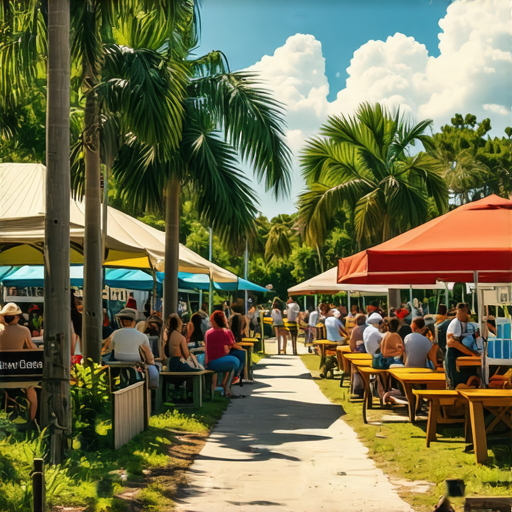
The Myth of Need to Spend Money for Family Fun
If you think that making memories with your family in Brooksville requires opening your wallet, think again. The idea that quality outings always come with a hefty price tag is a lie merchants want you to believe. In reality, there are dozens of ways to enjoy your community without dropping a dime. That’s what I want to expose today.
You might believe that entertainment in Hernando County is limited to overpriced attractions or tourist traps designed to drain your wallet. But that’s a false narrative fed to you by vendors craving your cash. The truth? Rich experiences are all around—waiting for those willing to look past the superficial glitter and dig into the local gems.
Our communities are full of hidden treasures, from tranquil parks to vibrant festivals, many of which are entirely free. As I argue in this guide, the key is to recognize that the real value isn’t in what you buy, but in what you experience—unpaid, unscripted, genuine.
The Market is Lying to You
Resisting the urge to spend isn’t just a financial matter; it’s a statement against consumerist manipulation. The economy pushes us to believe that enjoyment must come with a price, but that’s a game we’ve been played into. Just look at the numerous free events and activities happening around Brooksville this month—many of which are thoroughly enjoyable and educational for families.
So, why are we still doing this? Why are we enabling these corporations to define our value by what we purchase? Instead, I suggest we redefine what “having fun” means—more connection, less consumption. This isn’t just about saving pennies; it’s about reclaiming control over your leisure time.
Stop Overpaying for What You Can Experience for Free
In fact, if you take the time to explore, you’ll find that many local parks, festivals, and community gatherings are completely free—no hidden fees, no gimmicks, just pure, unadulterated joy. And if you’re willing to put in a little effort, you can turn a simple visit to a park into a full-day adventure, or participate in community events that celebrate local culture and talent—none of which require a ticket.
As I outlined in this article, these experiences aren’t just affordable—they’re often better than their commercial counterparts because they connect us to the very fabric of our community.
The Evidence & Argumentation
The notion that creating memorable family experiences in Brooksville requires draining your wallet is a manufactured myth, one that benefits the commercial sector at the expense of genuine community well-being. History offers a stark parallel: in the 1960s, the rise of advertising led to a culture obsessed with consumption, convincing families that happiness was purchasable. That era ended—yet the narrative persists today. The over-commercialization of leisure is not accidental; it is a deliberate strategy to redirect spending from local, authentic sources to corporate giants. When we scrutinize the economic incentives behind these attractions, the motive becomes clear: profit margins, not family welfare.
The root problem isn’t a lack of free activities—it’s the deliberate framing that discourages us from seeking them. Instead, society has conditioned us to believe that value equates to price tags. The relentless marketing campaigns target parents, bombarding them with images of costly amusement parks and elaborate events, fostering a sense of inadequacy in their efforts to connect with loved ones without spending. This manipulation plays into a broader societal issue: the conflation of consumption with happiness, a tactic owned and operated by corporations that thrive when wallets are open. Thus, the real hurdle isn’t the absence of options but the acceptance of a distorted value system.
Follow the money, and the pattern becomes even clearer. Local businesses and public institutions—parks department, community centers—operate with local tax dollars and volunteer manpower. They stand to gain when families participate in free events, boosting community cohesion and long-term neighborhood vitality. Conversely, corporations that sell packaged entertainment have a vested interest in convincing us that authentic experiences aren’t enough—that we must pay for curated fun. Their lobby is silent, but their influence is profound, shaping public perception and policy alike. It’s not coincidence that many of these lucrative attractions—many of which are unrelated to community needs—are promoted as essential. The financial benefits flow primarily into corporate coffers, not into the well-being of our families or neighborhood resilience.
Consider the tangible evidence: Brooksville and Hernando County continually host dozens of free festivals, markets, and outdoor activities—events that often draw larger crowds than their paid counterparts, and with greater satisfaction. These gatherings catalyze local pride and foster informal social bonds that a ticketed event can’t replicate. The data—if one chooses to interpret it—confirms that community-driven, unpaid cultural experiences generate a more profound sense of belonging. The collapse of consumer spending growth—sometimes approaching zero in family entertainment—reflects this shift: families are rediscovering that the most valuable moments are often free and close to home. The question isn’t whether these options exist, but why they are overshadowed by profit-driven narratives.
As history reveals, the promotion of paid entertainment at the expense of public resources isn’t sustainable. When many local parks, trails, and community classes are accessible without charge, the scale of true community wealth becomes undeniable. The issue lies not in scarcity but in perception—a perception deliberately crafted to keep us reliant on transaction-based happiness. Recognizing this manipulative strategy empowers families to eliminate unnecessary expenditures and reclaim leisure as an unalienable right rooted in connection and local culture rather than corporate profit.
The Wrong Question
It’s easy to see why many believe that unforgettable family experiences in Brooksville demand spending money. After all, advertising and commercial attractions bombard us with images of costly adventures and elaborate events promising joy and excitement. This narrative is reinforced daily by media and storefronts alike.
However, focusing solely on the expenditure ignores a critical fact: genuine connection and happiness are not commodities bought at a checkout counter. I used to believe this too, until I realized that the question isn’t about how much we spend but what truly matters in family bonding.
The Trap of Consumerism
Critics often claim that free activities lack the excitement or educational value of paid entertainment. They argue that without spending money, families risk missing out on enriching experiences that can broaden horizons and create lasting memories.
While there’s some surface validity in this, such a stance shortsightedly dismisses the richness that resides within communities and natural settings. It presumes that authentic experiences only come with a price tag, disregarding the profound significance of local parks, community events, and the simple joy of exploring nature—resources open to all, free of charge.
${PostImagePlaceholdersEnum.ImagePlaceholderC}
The Real Issue is Perception
It’s crucial to understand that the notion of necessity—believing that entertainment must be paid—is a manufactured barrier. This perception is deliberately cultivated by those who profit from your disposable income, subtly convincing families that unchecked spending equates to quality time.
Yet, once you reframe the question—asking instead, “What can we do together that costs nothing?”—the landscape of possibilities expands exponentially. Nature doesn’t charge admission; community has no price tag. The true value lies in shared experiences, not receipts.
Don’t Be Fooled by the Narrative of Scarcity
Many assume that only paid events can deliver memorable moments simply because those are the options most heavily advertised. This is a fallacy rooted in marketing strategies that prioritize profit over authentic community engagement.
In reality, Brooksville hosts numerous free festivals, outdoor concerts, farmers markets, and cultural gatherings that can eclipse their paid counterparts in enjoyment and community impact. These opportunities are often underappreciated because they lack flashy advertising, not because they lack quality.
I have personally witnessed families in Hernando County finding their favorite memories in neighborhood parades and park picnics—experiences that cost nothing but mean everything. If we shift our focus from price to presence, the perceived scarcity disappears.
The True Cost of Ignoring Free Resources
The real cost is not in what we choose to experience without payment but in the opportunities we forgo by accepting the flawed question of necessity. Battling the narrative that happiness must be bought leads to more resilient, connected communities and healthier families.
So, instead of lamenting the lack of paid entertainment, I encourage families to look around—at the trees in the parks, the stories shared at local markets, the laughter during community events. These are the treasures that don’t require a ticket; they require only awareness and intention.
The Cost of Ignoring the Warning Signs
If we continue to dismiss the importance of embracing free, local resources for family fun and community bonding, we’re risking a future ripe with deeper societal divides and cultural impoverishment. The stakes are higher than ever, right now. Our collective inertia threatens to erode the very fabric that holds neighborhoods together, transforming vibrant, interconnected communities into isolated, transactional spaces devoid of genuine human connection.
Should this trend of neglect persist, the landscape of Hernando County and beyond could look markedly different in five years. Imagine neighborhoods where children grow up unfamiliar with local parks or community festivals because they’ve been replaced by commercialized, paid entertainment options. Such a world resembles a desert—desolate and devoid of the nourishing oases that free communal activities once provided, leaving citizens parched for authentic connection. This is the slippery slope we are hurtling down—each acquiescence to consumerist norms chips away at our social bonds and cultural richness.
The danger extends beyond individual families; it threatens the moral fabric of society. When the importance of shared, unpaid experiences diminishes, so does our collective sense of belonging and responsibility. This decline fosters a landscape where consumerism is not just encouraged but becomes the primary currency of social value. As community participation wanes, so do the opportunities for empathy, understanding, and collaboration. The result is a fractured society less resilient in the face of crises and more susceptible to division and apathy.
Think of this progression as akin to a slow leak in a dam. Initially, the leak seems insignificant—just a small trickle. But neglect it, and it becomes a torrent that erodes the barrier from within. The surging water eventually breaches the dam, leading to catastrophic consequences for everything downstream. If we ignore the signs—the dwindling participation in local events, the rise in commercial entertainment consumption—we risk a flood of societal disconnection, economic decline, and cultural loss that could be irreversible.
What are we waiting for? Continuing to overlook the power of free, community-driven experiences is a perilous gamble. Each day we postpone action, the danger amplifies, and our options for reversing this trend diminish. It’s reminiscent of watching a wildfire ignite—once it gains momentum, extinguishing it becomes exponentially more difficult. We are at a crossroads, and neglecting this opportunity for grassroots renewal could leave us with nothing but the ashes of what once was—a community rich in connection and vitality turned to dust.
The urgency of this moment demands recognition. We must act now to preserve and revitalize the core of our communities. Otherwise, history’s lessons warn us: neglect today’s warning signs will guarantee tomorrow’s irreversible losses. This isn’t just about preserving recreational spaces or local traditions; it’s about safeguarding the soul of our society against the corrosive effects of complacency and consumer-driven indifference.
Are you tired of feeling pressured to empty your wallet for memorable family moments? The truth is, the most meaningful experiences often cost nothing, yet they’re the ones we overlook amid consumerist noise. Now is the time to challenge that narrative and embrace a different perspective on leisure.
Imagine transforming local parks, community festivals, and outdoor adventures into your family’s playground—free of charge and rich in connection. Just as I explored in this guide, our community is brimming with hidden treasures waiting to be uncovered without costing a dime.
But here’s the twist: this isn’t just about saving money. It’s a revolution against the manufactured myth that fun equals expense. When we shift the focus from spending to experiencing, we reclaim the power to craft authentic, lasting memories that money can’t buy. The more we rely on curated entertainment, the more we dilute genuine community bonds.
Local events like the upcoming farmers markets, outdoor concerts, and neighborhood parades showcase the vibrant, unpaid pulse of Hernando County. These aren’t just enjoyable—they’re vital. They build bridges, foster local pride, and reinforce our shared identity. As detailed in this piece, these experiences often surpass pricey alternatives in authenticity and satisfaction.
So, what’s holding us back? The answer lies in perception. The narrative that happiness must be bought is a deliberately spun web by corporate interests eager to keep us dependent on transactional joy. Resisting this means recognizing that the true cost of ignoring free resources is the erosion of community fabric—an invaluable asset that money can’t buy and corporations can’t sell.
Now, I challenge you: Confront that inner voice telling you to pay up for entertainment. Choose instead to explore local trails, attend free festivals, or engage in simple backyard gatherings. These aren’t just cost-effective—they’re transformative. They connect us to our roots and to each other, grounding us in the reality that, sometimes, the best things in life are accessible to all.
Look around. Our community is an open book of stories, laughter, and shared culture—each chapter free to read. It’s your move to turn the page and write your own story, one where genuine family fun isn’t a purchase but a gift waiting to be unwrapped.