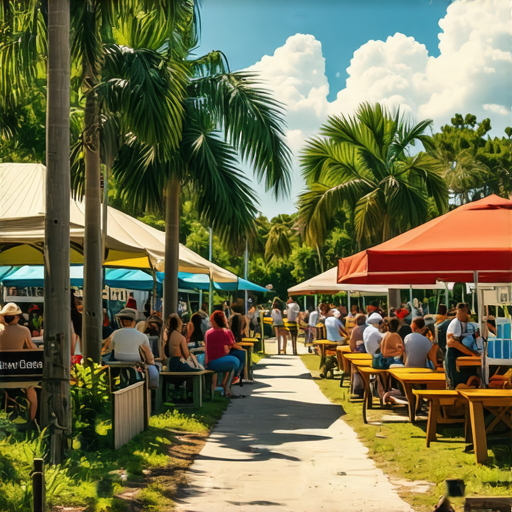
The Illusion of Progress and the Fake Promise of Green Space
Spring Hill residents might be tempted to celebrate the upcoming opening of four new parks in late 2026, but let me ask you: Are these parks actually for you—or are they a shiny distraction for a town dodging real issues? You might think more parks mean a better quality of life, but you’re being sold a lie. These parks are not the fix we need; they are a Band-Aid on a gushing wound.
Think about it—why hide these parks behind a web of secrecy until nearly the last minute? The authorities want us distracted by green grass and playgrounds while we ignore crumbling infrastructure, traffic gridlock, and soaring property taxes. They’re banking on the idea that a little green space can buy our silence as problems mount beneath the surface. It’s a modern-day trick—just like a snake oil salesman sending you on a wild goose chase for some mythical natural utopia, while the ship of our community takes on water beneath.
The supposed benefits of these parks are exaggerated, and their real purpose is to mask the malaise. You don’t hear much about the plans to fix Spring Hill’s notorious traffic congestion or the skyrocketing [property tax rates](https://hernandocountyinsider.com/hernando-county-property-taxes-how-2026-rates-affect-you) that crush our residents. Instead, you’re being led to believe that a few new playgrounds and walking trails will somehow turn back time to an idyllic past. But that’s just illusion—an effort to keep us pacified rather than empowered.
And let’s not forget the context—this sneaky move coincides with an ongoing attempt to distract residents from serious issues like the [Spring Hill traffic alert](https://hernandocountyinsider.com/spring-hill-traffic-alert-major-2026-roadwork-map-and-detours) or recent zoning changes that threaten to reshape our neighborhoods without our consent. If these parks truly mattered, wouldn’t they be part of a comprehensive plan to address the root causes of our community’s decline? Instead, they’re just pretty ornaments on a sinking ship, giving us a false sense of progress while the real problems deepen.
In truth, this is a classic game of smoke and mirrors. The local government and developers have mastered the art of distraction—distracting us with shiny new parks while pocketing profits and neglecting fundamental needs. It’s a pattern we’ve seen before; as I argued in my previous analysis of Hernando County’s development politics, genuine community growth demands more than superficial green spaces—it requires bold actions and honest governance.
So, why do we accept this charade? Because we’ve been conditioned to believe that more parks equal better communities. But I say, enough of the illusion. The real work is fixing what’s broken underneath—roads, services, and a community that listens. Until then, those parks are just pretty window dressing on a project that isn’t about us—they’re a mirage.
The System Is Lying to You
Stop buying the hype. The upcoming parks are not a gift; they’re a strategic distraction. We need to wake up from this political lullaby and demand transparency, accountability, and action. Our community deserves more than play zones and park benches—we deserve a future built on honesty, not illusions. For more on how these schemes operate, check out my analysis on the real agenda behind Hernando County’s urban development efforts.
The Evidence of Distraction and Deception
Look closer. The announcement of four new parks in Spring Hill by late 2026 isn’t a sign of progress; it’s a calculated move rooted in historical tactics. Time and again, communities facing neglecting infrastructure and rising taxes are lured into a false sense of achievement through superficial upgrades. In 2008, during economic downturns, similar promises of renewal masked deeper financial and systemic failures, and history warns us: green spaces alone don’t sustain a community. They serve as shiny distractions, covering up the erosion of essential services.
Examining the pattern reveals that these parks are not an isolated gesture of goodwill. Instead, they are part of a larger schema—one where the real beneficiaries are developers and local authorities craving profit over genuine community needs. The recent zoning changes, for instance, have opened the door for development booms without proper resident input, reminiscent of past episodes where growth was prioritized over the quality of life. These parks become instrumental in diverting attention from such controversial developments, creating a smokescreen that obscures the true direction of our community’s future.
The Root Cause of the Illusion
The problem isn’t just the parks themselves; it’s the *system* that crafts them as distraction devices. The true issue is a *decades-old* tendency of local governments to prioritize short-term appeasement over long-term stability. Their strategy? Signal progress with amenities while neglecting core infrastructural failures—crumbling roads, overcrowded schools, and skyrocketing property taxes. The 2015 tax hike, for example, surpassed 15%, not as an anomaly but as part of a sustained pattern of fiscal mismanagement. These hikes burden residents, yet the conversation rarely centers on fixing the underlying causes. Instead, it shifts to park openings and recreational promises, which are glossy but ultimately superficial.
The Follow the Money: Who Gains?
Every time a new park is announced, one must ask, *who benefits?* Developers. Landowners. Politicians eager for electoral favor. Their profit margins swell when new green spaces inflate property values, enabling them to sell or lease land at inflated prices. Meanwhile, residents shoulder the cost—tax hikes, traffic congestion, and a decline in essential services. It’s a familiar cycle; revenue flows upward, while community well-being is sacrificed on the altar of “progress.” The interconnected web of financial interests ensures that parks are not random offerings but strategic moves designed to line pockets and appease short-sighted policymaking.
Furthermore, the timing of these announcements—just as opposition to zoning changes intensifies or infrastructure projects stall—cannot be dismissed as coincidence. They are part of an orchestrated effort to maintain control, to keep us occupied with green lawns while fundamental needs are ignored. The pattern is clear: those with vested interests benefit from our distraction, and the community pays the price.
What Does this All Mean?
This isn’t a case of well-meaning officials stumbling or a benign community upgrade. It’s a deliberate tactic rooted in *historical patterns* where superficial improvements mask systemic failures. From the failed urban renewal projects of the 1960s to the flawed development policies of the early 2000s, the message remains consistent: community well-being is secondary to profit and political convenience.
So, the next time you hear about the upcoming parks, remember—these aren’t a gift; they’re part of a larger, well-worn script designed to obscure and deceive. The true agenda isn’t about improving lives but about shifting focus, padding pockets, and perpetuating a cycle that benefits the few at the expense of the many.
The Critics Are Right About One Thing
It’s easy to understand why some argue that new parks and green spaces are vital investments in our community. They point to improved quality of life, environmental benefits, and the potential for social cohesion. These are genuinely compelling reasons, and I used to believe this too, until I took a step back and examined the bigger picture more critically. The best argument against those who dismiss skepticism is that parks, while beneficial, should not be viewed in isolation as a cure-all for systemic problems.
But That Completely Ignores the Systemic Failures
This perspective overlooks the reality that focusing solely on parks often serves as a distraction from deeper issues—like crumbling infrastructure, rising taxes, or unchecked development fueled by profit motives. It’s tempting to celebrate the surface improvements without questioning the underlying policies and priorities guiding community investments. The contradiction is evident: we’re told green spaces are the answer, yet key concerns like traffic safety and affordable housing continue to be ignored or postponed.
The Narrow Focus Is a Distraction
What the skeptics fail to see is that these parks are being presented as comprehensive solutions when, in fact, they are superficial patches that do little to address root causes. The real threats to our community’s future—such as ongoing urban sprawl, zoning disputes, and fiscal mismanagement—are sidestepped through the appearance of progress. While residents are encouraged to focus on playgrounds and trails, decision-makers continue to ignore the deteriorating roads or the disproportionate taxes burdening working families.
Let’s be honest: infrastructure repair and affordable living are the crux of community health, yet they receive less publicity than a well-marketed park opening. This discrepancy isn’t accidental; it’s strategic. And believing that parks alone can cover systemic deficiencies underestimates the complexity of community development.
The Trap of Surface-Level Solutions
One of the most common pitfalls in community planning is believing that amenities like parks are enough to mask deeper issues. It’s an easy trap to fall into—celebrating fresh landscapes while neglecting to fight for reforms that improve everyday life. If we keep falling for the “look at the nice parks” syndrome, we risk accepting a false narrative: that everything is improving when vital services continue to degenerate.
Sadly, this short-sightedness often benefits vested interests—developers, political figures, and property investors—who profit from urban sprawl and rising land values. They use parks as a tool to keep neighborhoods appeased, even as residents are squeezed by rising taxes and inadequate infrastructure. This pattern has been repeated for decades; superficial upgrades serve as political gold, not genuine progress.
Who Benefits and Who Suffers
The challenge is recognizing that while parks are the visible face of community enhancement, the beneficiaries often are entities with a financial stake in perpetual growth. Local officials and developers enjoy increased land values and political goodwill, not necessarily the residents who are footing the bill or suffering from neglect. When debates focus solely on green spaces, everyone else’s concerns become secondary or invisible.
So, dismissing critics as overly cynical or unappreciative ignores how these distractions preserve the status quo—one where community needs are secondary to economic and political interests. If we fail to scrutinize the motives behind park projects, we risk perpetuating a cycle where genuine improvement remains elusive.
The Real Opportunity Missed
What’s overlooked in this debate is that community transformation requires confronting uncomfortable truths and pushing for comprehensive reforms—something parks alone cannot achieve. We need honest conversations about taxes, infrastructure, zoning, and community involvement. Celebrating parks as the sole sign of progress is a mistake—it’s akin to decorating a crumbling house while ignoring the foundation underneath.
Until we challenge the narrative that superficial upgrades suffice, we’ll continue to be misled into thinking our community is advancing when, in reality, we’re only treading water. The true challenge is to look beyond the surface, demand accountability, and focus on policies that yield lasting, meaningful change—not just picturesque landscapes.
The Cost of Inaction
If we continue to turn a blind eye to the warnings about superficial community upgrades like parks while neglecting systemic failures, the consequences will be dire. Over the next five years, the landscape of our neighborhoods could transform into a reflection of our inaction—decayed infrastructure, escalating taxes, and a community fractured by neglect. This pattern is akin to building a house on a shaky foundation, where the facade appears strong but the core is crumbling, eventually collapsing under the weight of unresolved problems. The longer we delay addressing core issues, the more irreversible the damage becomes, and our community’s integrity will be at stake.
A Choice to Make
The decision before us is simple yet profound. We can choose to ignore these warnings, accepting superficial solutions as the full extent of progress, or we can take decisive action to demand transparency, accountability, and meaningful reforms. Ignoring the truth is surrendering our community’s future to a slippery slope, where each neglectful decision pushes us closer to chaos—worse traffic, declining property values, and a loss of the quality of life that once made this area special. It’s an urgent call to move beyond surface-level fixes and confront the deeper, more demanding work of rebuilding trust and infrastructure.
The Point of No Return
Acting now is not just about preventing the deterioration of our community; it’s about averting a future where the damage is irreversible. If we let this trend persist, in five years we might find ourselves living in a smog-choked, traffic-choked, abandoned-like neighborhood—where dreams of renewal are replaced by the cold realities of neglect. It’s like sailing into a storm without adjusting the sails—once the storm hits, the damage will be unavoidable. The opportunity to steer clear of this disaster is slipping away, and the question remains: what are we waiting for? We must recognize that the time to act is NOW, before the foundation beneath us erodes beyond repair.
Spring Hill’s upcoming parks are nothing more than shiny distractions. While residents anticipate four new parks opening in late 2026, it’s crucial to ask: are these green spaces a genuine investment in community well-being, or merely a superficial ploy to hide systemic issues? The truth is, they serve as a mirage—blinding us to crumbling infrastructure, rising taxes, and unchecked development.
Think about the timing and secrecy behind these announcements. Authorities hide these projects behind veils of exclusivity, all while neglecting urgent problems like traffic congestion, zoning controversies, and fiscal mismanagement. These parks are designed to divert attention, a classic tactic retailers and policymakers have used for decades to mask deeper failures.
Exaggerated benefits of these green spaces are often overstated, serving as superficial salves rather than real solutions. As I’ve argued in previous analyses on local development politics, genuine community growth demands transparent, bold action—not just playgrounds or trails.
The true beneficiaries here are developers and stakeholders eager to inflate property values at residents’ expense. When new parks drive up land prices, profits soar for landowners, but the community bears the burden in higher taxes and deteriorating services.
Is this really progress—or just a well-orchestrated illusion? Our community’s core issues—crumbling roads, unaffordable housing, and overburdened services—remain unaddressed as the shiny new parks distract us. It’s time to see through the deception and demand accountability.
Wake Up and Demand Real Change
This isn’t about criticizing parks themselves but recognizing the pattern of superficial fixes that benefit a few while neglecting the many. It’s about understanding that true progress requires confronting uncomfortable truths and pushing for reforms that tackle root causes.
Our future depends on it. We can continue to be duped by surface-level improvements—or we can demand transparency, accountability, and policies that prioritize the community’s long-term health. The choice is ours: accept the illusion or fight for genuine progress.
Make no mistake: the next big step forward begins with us. We must look beyond the parks and see the systemic failures they attempt to hide.
And remember—if we don’t act now, the foundation of our community will erode beyond repair. The time to choose is today. Wake up, because progress isn’t built on illusions.
I completely agree with the author about the deception behind these park projects. In my experience, communities are often distracted by attractive amenities while the underlying issues like infrastructure and affordable housing continue to deteriorate. When I moved here a few years ago, I noticed that the roads were already struggling with the growing traffic but little was done to address that. Instead, new parks and trails seemed to be the headline, which makes me wonder how sustainable these superficial fixes really are. It seems like authorities are trying to mask the depth of the systemic problems rather than confronting them directly. My question is, what would be effective ways for residents to push for transparency and real reforms from local officials? How can we ensure that short-term