The Ugly Truth About Hernando County’s Property Tax Shakeup
If you think local property taxes are just a dull line on your bill, think again. Hernando County’s 2026 tax changes aren’t an accident—they’re a strategic move that reveals the county’s desperation to sustain its crumbling infrastructure and overexpanded budgets. You might believe that these hikes are for the public good, but I argue they’re a sign of something darker: a government out of control, balancing budget deficits on your shoulders.
Let’s be clear. The long-standing myth that local taxes fund essential services without waste is just that—myth. The real game here is about money, power, and hiding fiscal mismanagement behind a veil of community progress. And if you’re not paying close attention, you’re about to get fleeced. These tax increases are not the exception—they’re the rule, and they target the very residents who can least afford it. As I’ve always maintained, local governments have a penchant for taxing the working and middle classes more, while lavishly rewarding their cronies and insiders.
The Market is Lying to You
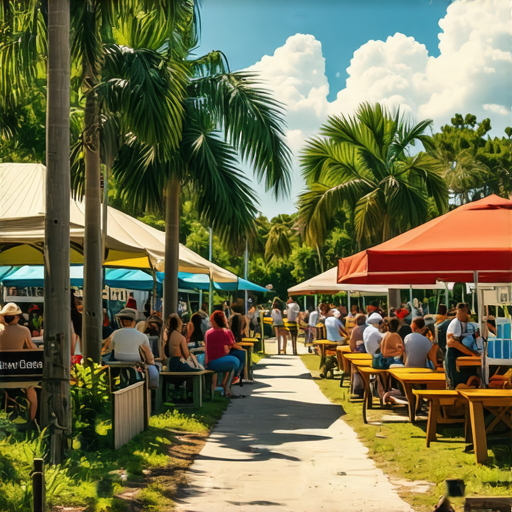
Many residents believe that rising property taxes reflect rising property values and a booming economy. Sorry to burst that bubble. It’s a classic distraction. Yes, property values are increasing, but that’s no victory. More often, it’s a sign of inflation of prices that counties will gladly capitalize on. The real purpose? Covering mounting liabilities from mismanaged projects, excessive staffing, and unneeded new initiatives. Take, for example, the recent surge in local festivals and events—many of which seem to serve more as political gatherings than genuine community benefits. You can see how these expenditures balloon and—at the end of the day—your tax dollars fuel a circus rather than tangible improvements.
Why This Fails Our Community
Higher taxes might seem like a way to fund better roads, schools, and parks. But the reality is often quite different. More money doesn’t necessarily mean better services. It’s a game of priorities, and Hernando’s priorities lean towards self-preservation rather than solving the core issues. Ask yourself: Why are roads like Mariner Blvd still a nightmare? Or why are local services consistently underfunded or misdirected? The answer lies in a corrupt understanding of fiscal discipline and the endless need for “more revenue.” It’s a sinking ship, and the captain keeps asking for more lifeboats—paid for by the residents.
For those interested in how to navigate or even oppose these rising costs, I suggest looking into how to find the lowest property tax rates or understanding upcoming zoning changes that could impact property values. A recent article shows how residents can proactively challenge unjust assessments or demand more accountability from local officials (Read more about property tax changes here).
In conclusion, Hernando County’s 2026 property tax shift is a warning sign, a game of chess where the county’s officials are sacrificing residents’ financial health for political survival. It’s crucial for taxpayers to stay vigilant, question the narrative, and push for fiscal transparency—not just accept the rising tide of taxes as part of “progress.” Because if history is any guide, those who shout loudest about growth and development often exit with the biggest payouts, leaving the rest to drown in debt and disillusionment. The question remains: Are we going to let this happen, or finally demand a system that works for us, not against us?
The Evidence of Hernando County’s Fiscal Deception
One need only examine the county’s recent actions to see a pattern of fiscally reckless decisions masked by misleading narratives. Behind the outward veneer of progress, Hernando County has been orchestrating a calculated transfer of wealth from everyday residents to well-connected insiders. This isn’t coincidence; it’s a blueprint designed to enrich a select few while the broader community bears the brunt.
Take, for instance, the startling surge in property assessments that accompanies these tax hikes. Sure, values increase—on paper. But this isn’t a sign of prosperity; it’s inflation, a deliberate tactic to inflate revenue under the guise of growth. In real terms, residents are footing more significant bills while their actual purchasing power diminishes. The inflated assessments serve as a smokescreen, hiding the fact that the county’s core problems—overstaffing, mismanaged projects, and unnecessary expansions—remain unaddressed.
Moreover, the county’s spending habits reveal a disturbing trend: prioritizing “festivals” and “community events” that are more political gatherings than genuine public service. These events cost taxpayers millions annually, yet they add little tangible benefit. Funds are diverted to buy votes or curry favor with influential stakeholders, rather than improving infrastructure or public safety.
This pattern echoes historical precedents where governments, once faced with fiscal crises, resorted to similar tactics. Recall the city of Detroit in the 1970s, which expanded debt under the false pretense of revitalization. When the bubble burst, the entire system collapsed—leaving residents paying the price. Hernando County’s approach today is just as perilous, but with a more subtle veneer of civility and community involvement. The truth remains: higher taxes and assessments are not reinvested into the community. They are diverted to sustain an entrenched political class that benefits from a system designed to perpetuate inequality.
Investigate further, and the pattern becomes obvious. Those who can influence zoning laws, procurement contracts, and assessment policies stand to gain the most. And who benefits most from these inflated valuations and increased taxes? The local developers, the insiders who fund campaigns, and the bureaucrats who expand their empires on the backs of ordinary taxpayers. When money flows in one direction—away from residents and into the pockets of a few—the entire system is compromised.
Look at the recent push for new developments in Timber Pines and Spring Hill. These projects aren’t driven by community need; they are driven by the promise of future tax revenue, which, as history shows, often doesn’t materialize as promised. Instead, they saddle residents with more infrastructure costs, strained roads, and overburdened schools—yet the promised economic boom remains elusive.
And let’s not forget the undercurrent of political influence. The recent vote on zoning changes, which favors certain developments, was swayed by campaign contributions and backdoor deals. The public dialogue was a sham, scripted to confine residents to a narrative that their concerns are less important than growing government coffers. It’s a familiar tune: community voices silenced, profits prioritized.
The evidence clearly demonstrates that Hernando County’s funding strategies serve the interests of a select few, not the community at large. The systemic flow of money benefits insiders while citizens endure higher taxes, deteriorating services, and broken promises. This isn’t a coincidence; it’s a calculated, deliberate scheme that echoes the financial collapses of the past. As residents, it’s time to see through the facade and demand accountability—before the next crisis is baked into the county’s fiscal recipe.
The Reality Behind Property Tax Hikes
It’s easy to see why people think rising property taxes mean a thriving community, fueled by increasing property values and economic growth. Many residents assume that higher taxes are a sign of expansion and prosperity, leading to a sense of stability. This belief, often echoed in local debates, provides a comforting narrative: that tax increases directly fund improvements and development.
The Wrong Question to Ask
I used to believe this too, until I recognized a crucial flaw. The real question isn’t whether taxes are rising but why they are doing so and how the money is being used. Focusing solely on tax hikes ignores the possibility that these funds are diverted or mismanaged, reducing the supposed benefits to actual community well-being. Simply put, higher taxes do not automatically translate into better roads or schools.
Many critics argue that taxes are necessary for community growth, citing examples of infrastructure projects and public services. However, this overlooks a glaring issue: transparency and accountability. Are residents truly seeing returns on their increased contributions, or are the funds funneled into pet projects, administrative overhead, or campaigns? Evidence from Hernando County suggests the latter is often the case.
The Flawed Logic of Growth Equals Prosperity
Another common argument is that property assessments and taxes reflect genuine economic vitality. While that might seem plausible, it ignores the fact that assessments are often inflated to mask fiscal mismanagement. Counties inflate property values not because of real growth but to create an illusion of prosperity that justifies tax hikes. This inflation impacts homeowners, especially seniors on fixed incomes, who find themselves squeezed despite no real increase in their earning power.
Blindly equating rising assessments with thriving markets is shortsighted. It dismisses the deeper issues—rampant overdevelopment, unaffordable housing, and strained infrastructure—that these supposed booms fail to address. These are the true indicators of a community in turmoil, not inflated valuation figures meant to justify higher taxes.
Countering the Common Trap
Many observers fall into a common trap: accepting the narrative that more revenue always leads to better community outcomes. This misconception blinds residents to the fact that unaccountable or poorly managed funds can result in ‘growth’ that benefits insiders rather than the public. The critical task is to scrutinize how tax dollars are allocated, rather than assuming that higher assessments equate to a flourishing environment.
Local governments have a history of diverting funds for political gain—funding festivals, expanding bureaucracies, or supporting development projects that serve developers’ interests more than residents’. This isn’t a new phenomenon; it’s a pattern seen in towns across the country. The key point is that increased revenue, without strict oversight, often fuels cycles of waste, not progress.
Understanding the True Costs
Ultimately, the real cost of inflated taxes is borne by homeowners and small business owners who see their expenses skyrocket without tangible improvements. It’s a deflation of community trust and a perpetuation of inequality—wealthier residents or insiders benefit from cronyism, while everyday taxpayers struggle with the fallout.
The challenge is to shift focus away from surface-level metrics of growth and toward meaningful measures of community health—affordable living, infrastructural integrity, and transparent governance. Recognizing this misdirection is the first step to breaking free from the cycle of unjustified tax hikes and misallocation of resources.
The Cost of Inaction
If residents and leaders alike turn a blind eye to the mounting warnings about Hernando County’s reckless fiscal decisions, the consequences will be dire and unavoidable. This isn’t just about rising taxes or misplaced priorities; it’s about the very fabric of our community unraveling before our eyes.
Right now, we stand at a crossroads. Continuing down this path is akin to ignoring warning signs on a cliff’s edge. The chain reaction is set to accelerate—the once manageable fiscal missteps will snowball into full-blown crises. Infrastructure will collapse under neglect, public safety will falter, and communities will become unlivable. Our children will inherit a landscape riddled with decay, overburdened services, and economic stagnation.
What are we waiting for
There’s an urgent need to understand that delay only compounds the problem. Like a cancer left untreated, the longer we ignore these fiscal wounds, the more it will spread, leaving us with fewer options and steeper costs. Think of this as driving toward a bridge with a slowly cracking support beam. Each passing mile weakens it further, until one day, it fails—taking everything with it.
If we continue to brush aside these warnings, Hernando County risks becoming a cautionary tale—an illustration of a community that refused to face the truth until it was too late. Our neighbors in towns that once thrived now serve as monuments to what happens when fiscal irresponsibility is ignored: crumbling roads, failing schools, and a shrinking quality of life.
The future, five years from now, could resemble a ghost town of potential, a shadow of what our county could have been. Investment and growth will be stifled, as residents flee toward brighter prospects elsewhere. Small businesses will shutter, unable to bear the rising costs and declining customer base. The golden opportunity to build a resilient, prosperous community will be replaced with regret and disillusionment.
Time is running out, and the stakes couldn’t be higher. Our signature muscle memories—our proud community spirit—are at risk of fading into history if we do not act decisively now. We must ask ourselves: are we willing to sacrifice everything for short-term gains or self-serving projects? The choice is ours, but the window of opportunity to change course is closing.
${PostImagePlaceholdersEnum.ImagePlaceholderD}
Your Move
The future of Hernando County isn’t written in the pages of economic reports or glossy promotional brochures—it’s etched in the choices we make today. Are we going to accept this cycle of tax inflation and fiscal deception, or will we finally demand transparency and accountability from those in power? The answer lies in your action.
Remember, the same system that ups taxes to cover mismanagement is the one you have the power to overhaul. Stop being passive spectators and become active participants in shaping a community that serves its residents, not just its insiders. Check out how property tax changes affect you and decide whether it’s time to stand up or fall behind.
The Bottom Line
This isn’t merely a fiscal misstep—it’s a betrayal of community trust. Hernando County risks becoming a cautionary tale for complacency, a ghost town haunted by what might have been. The question is: are we going to let this happen silently, or will we rise, challenge the status quo, and demand the system we deserve?
Remember, the power to shape Hernando’s destiny is in your hands. Don’t wait for the economy to force your hand—be the catalyst for genuine change. The choice is yours. Will you act or watch your community drift into decay? The time to decide is now.