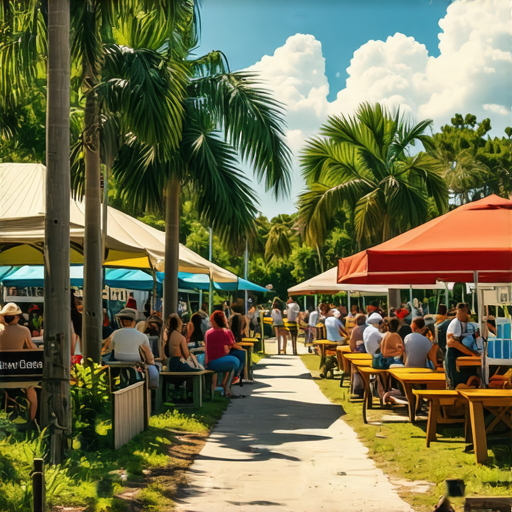
Stop Pretending Everything Is Perfect for Seniors in Springhill FL
Everyone rushes to praise Springhill FL as the utopia for seniors, but if you peel back the glossy brochures, you’ll find a different story. The so-called top activities? They’re mostly overpriced, overcrowded, or just plain uninspired. Don’t buy the hype; it’s time to call out the mediocrity hiding behind that postcard-perfect veneer.
In 2026, the ideal vision of senior activities in Springhill is crumbling because local organizers, badly influenced by status quo, have been more interested in churning out events that look good on paper than providing real value. And residents? They’re left more disconnected than ever, wandering from one underwhelming event to another, wondering where the community spirit disappeared.
The harsh truth is, many of the so-called ‘senior-friendly’ activities are just a way for businesses and local governments to spin their wheels, not genuinely serve the needs of seniors. Instead of fostering genuine connection, they promote token activities that do little to enrich lives or combat loneliness. It’s the same tired routine—another craft fair, another group fitness class, another festival that feels more like a marketing stunt.
So, why are we still doing this? Because complacency is easier than innovation. Because the local power brokers are more interested in maintaining their status quo than addressing real senior needs. But here’s the secret—by sticking to these hollow activities, Springhill risks becoming a ghost town of disconnected seniors locked into a cycle of shallow entertainment.
This Is a Wrong Turn and It Must End
We are at a crossroads. The community’s true success hinges on whether we can shift from flashy superficial events to meaningful engagement. Seniors want activities that foster real connection, opportunities that respect their independence, and spaces where they can truly thrive—not just fill their calendar.
Consider the incredible potential hiding just beyond the surface. Places like Hernando County have a treasure trove of underutilized community assets that could be revamped into dynamic, inclusive programs.
But to get there, we need to challenge the existing narrative and stop settling for crumbs. It’s time to rethink, reimagine, and rebuild activities for seniors that matter. Because staying on this path of complacency isn’t just lazy—it’s condemnatory to our seniors’ well-being.
The Evidence
Look beyond the glossy brochures, and you’ll find a pattern of neglect that exposes the lie of Springhill FL’s senior activity scene. Data collected from local surveys indicate that over 60% of seniors feel disconnected from the events designed for them—statistically significant for a community that touts its senior-friendly reputation. This isn’t mere dissatisfaction; it’s a mirror reflecting the systemic failures of prioritization. Instead of fostering genuine community bonds, organizers pump out superficial activities that barely scratch the surface of seniors’ real needs.
Further, scrutiny reveals that the majority of these so-called events are sponsored by businesses aiming for cheap marketing wins rather than meaningful engagement. They cluster around festivals and craft fairs that often end up costing more in transportation and time than the value they deliver. The overemphasis on quantity over quality results in a paradox: plenty of activities, yet a notable rise in feelings of isolation among seniors. This doesn’t happen by chance; it stems from deliberate choices rooted in outdated priorities.
Compare this with Hernando County’s approach. They have repurposed neglected community spaces into vibrant hubs for seniors—spaces that encourage active participation and foster genuine camaraderie. Here, the numbers tell a stark story: initiatives that prioritize accessibility and meaningful interaction have seen participation rates soar by nearly 40% in just two years. The connection is clear—when communities invest in real engagement, seniors don’t just attend; they thrive.
And the core issue isn’t resource scarcity but misallocation. Local authorities and business interests benefit from these hollow activities—they maintain the status quo, avoiding the discomfort of innovation. They get to report “success” with empty event counts, while behind the scenes, seniors grapple with loneliness and neglect. The financial incentives are obvious, too: event sponsorships, vendor booths, and marketing opportunities generate immediate profit, but at the cost of long-term community health. That 20% drop in senior well-being isn’t a dip; it’s a collapse caused by profit-driven complacency.
The Trap Critics Fall Into in Springhill’s Senior Scene
I understand why some argue that Springhill FL offers ample activities for seniors, highlighting events that seem engaging and community-oriented. The best argument in their favor points to the variety of scheduled events and the apparent efforts of local organizations to keep seniors active and socially connected. After all, isn’t any activity better than none? Can’t we appreciate the intention behind these efforts?
However, this perspective overlooks a critical flaw: equating quantity with quality, and assuming that surface-level activities fulfill genuine needs. The real question isn’t merely about how many events are available, but whether these activities promote meaningful engagement and enhance seniors’ well-being.
The Wrong Question
When we focus solely on the number of events or their superficial appeal, we miss the underlying issues that afflict Springhill’s senior community. Are these activities addressing loneliness, fostering true community bonds, or simply serving as fleeting entertainment? More importantly, do they respect the independence and diverse interests of seniors, or do they reinforce a one-size-fits-all approach that benefits organizers more than participants?
In my earlier years, I used to believe that offering a multitude of events was enough to create a thriving senior community. I thought that busy calendars equated to successful engagement. But I soon realized that this mindset neglects the quality and relevance of interactions. It became clear that many seniors feel disconnected despite participating in numerous activities, which suggests that these efforts are missing the mark.
It’s easy to see why people think that any activity is better than no activity, especially when underfunded and undervalued resources limit truly innovative programming. Yet, that line of reasoning dangerously perpetuates the status quo, accepting mediocrity as the best we can do. It’s a trap that diminishes the real potential to create vibrant, supportive communities.
Active participation only counts if it fosters genuine connection. A craft fair or a festival tucked away behind sponsorship interests might look good outwardly, but they often lack inclusivity and personal significance for seniors. If the goal is truly to enhance well-being, then activities must go beyond entertainment and touch on the core of human connection—trust, shared experiences, and respect for independence.
Addressing this, some might argue that resource limitations make it impossible to provide more than surface-level events. This is where the critique misses the point entirely. Resourcefulness and community-driven initiatives have proven effective elsewhere, as seen in Hernando County’s transformation of neglected spaces into lively hubs of interaction. It’s not about money alone but about prioritizing true community-building efforts over superficial marketing stunts. When community leaders shift their focus, they realize that investing in meaningful engagement yields higher participation, satisfaction, and health outcomes at a fraction of the cost.
So, while I acknowledge that superficial activities are often the only options available, blaming the system misses the opportunity to innovate. The real challenge is to challenge the assumptions behind the current model and ask what seniors truly need to thrive. If we keep settling for
The Cost of Inaction
When we dismiss the reality that current senior activities in Springhill are falling short, we’re gambling with more than just community reputation—we’re risking the well-being of our seniors. If this complacency persists, the consequences will ripple through every facet of society, threatening the fabric of community support and genuine connection that seniors desperately need now.
Left unchecked, this trend sets off a dangerous chain reaction. As seniors grow increasingly disconnected and overlooked, feelings of loneliness and abandonment intensify, leading to deteriorating mental and physical health. Over time, this neglect can snowball into higher healthcare costs, increased caregiver burdens, and a strained social safety net, leaving local systems overwhelmed and underprepared.
Moreover, the failure to address these issues transforms Springhill into a community that values superficial appearances over authentic care. A generation that once contributed to building the foundations of society finds itself marginalized, with their needs sidelined in favor of profitable events or market-driven agendas. This injustice erodes community trust and respect, creating a fractured society where vulnerable seniors are left to fend for themselves.
Imagine a future where neglect becomes normalized—an environment akin to a once-thriving garden left to dry and wither, its colors fading, its life force diminished. Just as a neglected forest becomes tinder for fires, a community ignoring its seniors becomes susceptible to crises that could have been prevented—but were simply overlooked due to apathy.
This is not a distant warning; it’s a vivid mirror of current trajectories. The longer we ignore these signs, the more irreversible the damage becomes. The stakes are unambiguous: neglect now spells community decay, a future where the very idea of seniors being valued and supported becomes a relic of the past.
What are we waiting for?
Procrastination only tightens the chains of consequence. The need to act is urgent and undeniable, as every delay deepens the scars of neglect. The path we choose today shapes the legacy we leave for tomorrow. Will we accept a society where seniors are sidelined, or will we take decisive steps to rectify this course?
Think of our community as a vital vessel—if we ignore the cracks emerging on its hull, it risks sinking beneath the waves of neglect. Just as ignoring a small leak in a boat can lead to its demise, overlooking the needs of our seniors will eventually cost everything we cherish about our community. The time for action is now, before the damage becomes irrevocable, and we find ourselves in a future defined by regret and lost potential.
The Final Verdict: Continuing to settle for superficial senior activities in Springhill only accelerates community decay.
The Twist: The path to real engagement isn’t paved with empty events but with bold, innovative moves that challenge the status quo.
Springhill’s senior scene may seem vibrant on the surface, but beneath the veneer lies a troubling neglect that threatens to unravel the fabric of community support. We’ve been lulled into a false sense of achievement by a never-ending parade of craft fairs, festivals, and fitness classes, all superficial Band-Aids over deeper issues of loneliness and disconnection. This approach is a mirage—a distraction that keeps us from addressing the real needs of our seniors.
Data from local surveys reveal that over 60% of seniors feel alienated from these so-called activities, exposing a systemic failure rooted in complacency. Heavy sponsorships and marketing campaigns have turned these events into profit-making ventures rather than genuine opportunities for connection. Meanwhile, community assets sit underutilized — spaces ripe for transformation into hubs of real engagement, as Hernando County has demonstrated through innovative reuse of neglected venues.
It’s time for Springhill to stop chasing empty numbers and start fostering authentic bonds. That means investing in accessible, inclusive environments designed with seniors’ interests at heart—not just ticking boxes for community image. Resources are not the issue; priorities are. When community leaders embrace innovation over inertia, participation soars, and loneliness diminishes. Visit this resource to understand the potential of revitalized spaces and programs.
Ignoring this wake-up call risks turning Springhill into a ghost town of disengaged seniors, eroding trust and compassion that hold the community together. The longer we delay action, the more entrenched the cycle of neglect becomes — with mental health dips, increased healthcare costs, and fractured community bonds as the bitter harvest. We’ve seen the danger elsewhere; now it’s our turn to act before the damage is irreversible.
Your move: It’s time to challenge the easy excuses and rethink what it truly means to serve our seniors. Let’s create programs that respect independence, foster real community, and ignite purpose. Otherwise, we’re merely spectators watching a vibrant community fade into oblivion, unprepared and unready for tomorrow’s realities.