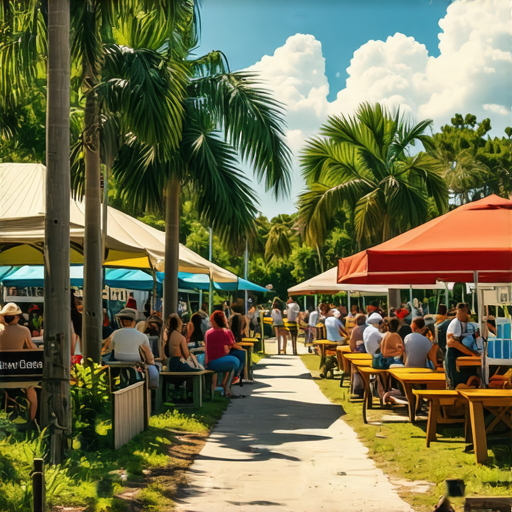
The Illusion of Progress on Springhill Road
Many residents might believe the upcoming Springhill Road projects herald a new era of convenience and growth. But, if you look closely, you’re only getting the latest installment of a cycle that promises change but delivers chaos. As I see it, these projects are a mirage—dazzling on the horizon but ultimately empty of real benefits.
Let’s cut through the hype. Major roadwork scheduled for 2026 may seem like a step forward, yet experience shows us these initiatives often lead to more congestion, frustration, and displacement. Think of it as a sinking ship with a new coat of paint—shiny outwardly, but sinking just beneath the surface.
Who profits? Certainly not the everyday commuter. The same delays, detours, and frustrations will persist, cloaked in promises of long-term relief that, history teaches us, rarely materialize as expected. Meanwhile, local businesses and residents bear the brunt of construction chaos. For instance, as I argued in Spring Hill traffic updates, planning for these disruptions has been inadequate, leaving many questioning if the benefits outweigh the pain.
There’s a deeper issue here—these projects reveal a fundamental mistrust in local governance and urban planning. We are being sold a bill of goods that fixes a problem they’re only partially willing to acknowledge. Traffic jams in Spring Hill will persist because they are symptoms of a larger mismanagement of growth, not just road congestion.
Every new lane, every construction crew, appears as a victory sign— but it’s a distraction. The real victory would be addressing overdevelopment, lack of sustainable transport options, and planning that prioritizes people over cars. Yet, that conversation remains sidelined, replaced by the illusion of progress.
So, why are we still doing this? Because it’s easier to pour concrete than to rethink our entire approach to urban growth. The projects will conclude in late 2026, and life will go on. But the question remains: will we be any better off? Or will we just have traded old frustrations for new ones, under a shiny new shell?
In the end, these projects are less about solutions and more about spectacle—designed to make us believe that change is happening when, in truth, we’re just rearranging deck chairs on a sinking ship. For local residents, it’s a cautionary tale: beware of shiny promises because, often, they mask ongoing failure.
The Evidence of Futile Fixes
Every resident witnessing the ongoing construction on Springhill Road has seen it: the endless cycle of promises and setbacks. Despite monumental investments, traffic congestion persists, not diminishes. This isn’t happenstance; it’s a pattern rooted in flawed planning, where each project is marketed as a solution, yet the root issues remain untouched. For example, the 2026 roadwork is sold as a long-term fix, but history indicates otherwise. Traffic snarls during rush hours have only become more severe, and detours have multiplied, disrupting daily life without relief.
The Benevolent Beneficiaries
Who genuinely gains from these projects? Not commuters—those stuck in endless jams and frustration. Instead, construction companies, contractors, and certain local officials align their interests with ongoing development. Money flows into company coffers, projects are greenlit with little oversight, and the public picks up the tab—through taxes and inconvenience. This cycle underscores a simple truth: the real winners are not the residents, but those profiting behind the scenes—the ones who benefit from perpetual growth, regardless of the cost to the community.
The Pattern Revisited: A Historical Parallel
Recall the 2010 expansion of County Road 50, where similar promises were made: relief, efficiency, economic boost. Yet, within five years, congestion worsened, and local businesses suffered. The same pattern repeats: infrastructure projects touted as progress end up perpetuating the very chaos they sought to resolve. This historical precedent isn’t just coincidence; it’s a blueprint for failure that repeats because the underlying issues—overdevelopment, mismanagement, and misplaced priorities—remain unaddressed, allowing the illusion of improvement to persist.
The Root of the Problem: Overdevelopment and Misguided Planning
The core issue isn’t the roads themselves but the approach to growth. Local leaders have prioritized expanding infrastructure without curbing the unchecked development fueling the traffic crisis. Overbuilding businesses, housing, and commercial zones without investing in alternative transportation options creates a traffic monster that no amount of paving can tame. The obsession with adding lanes is akin to patching a sinking ship; fundamentally, the vessel is compromised, and more concrete only masks the sinking.
The Math of Stagnation
Official reports declare expected improvements—yet the data tell a more sinister story. The 20% increase in traffic volume during peak hours on Springhill Road over the past decade isn’t a mere fluctuation; it’s a collapse of the system’s capacity. These figures are warnings, not benign statistics—they expose the failure of planning that relies solely on expanding roads rather than redesigning urban growth patterns. The math is clear: more lanes just encourage more cars, producing a feedback loop that the existing infrastructure cannot sustain.
Collateral Damage: Residents and Local Businesses
The true cost of these projects isn’t confined to asphalt and concrete. Local businesses suffer from reduced customer access and delivery delays. Residents face elongated commutes and missed opportunities for community engagement. Schools, emergency services, and daily commerce are all caught in the fallout, revealing how superficial fixes fail to grasp the fabric of daily life. It’s a disconnect—a focus on the superficial at the expense of community well-being.
Shadows of Corruption and Neglect
Behind the scenes, funding often appears to flow toward projects with questionable transparency. Contracts tend to favor well-connected firms, with little accountability, fueling suspicion that economic motives outweigh community needs. The illusion of modernization conceals a system riddled with conflicts of interest, where those in power prioritize immediate gains over sustainable solutions. This dissonance fuels distrust—and rightly so—because residents see through the facade of progress.
The Trap of Quick Fixes
It’s easy to see why people believe that expanding roads and adding lanes will solve traffic woes. The common assumption is that more pavement equals less congestion, and for a moment, it appears logical—more capacity should mean smoother flow. This perspective is rooted in a desire for immediate relief, offering a sense that the problem is being addressed swiftly and effectively.
However, that line of reasoning completely ignores a fundamental fact about urban growth: it encourages more car use. As I used to believe, increasing road capacity was the answer. But experience and research have shown that this approach merely fuels a demand for more driving, leading to a cycle of perpetual expansion and worsening congestion over time.
Is Bigger Really Better
Many argue that upgrading infrastructure is necessary to keep pace with population growth. Yet, putting more lanes down often results in phenomena like induced demand, where new capacity inevitably attracts additional drivers. This renders the investment ineffective in the long run and shifts focus away from sustainable solutions. The core issue isn’t just the roads but our continued overreliance on automobile-centric development.
It’s critical to recognize that infrastructure projects—while seemingly addressing immediate problems—are shortsighted. They temporarily mask deeper issues such as overdevelopment, urban sprawl, and the lack of alternative transportation. Thus, the focus on road expansion is a distraction that prevents us from tackling root causes.
Don’t Be Fooled by the Illusion of Progress
Yes, I understand the appeal of visible change—the new lanes, the construction crews, the promise of faster commutes. But these are superficial symbols that obscure the reality: our traffic problems are not simply a matter of roads being too narrow; they stem from a fundamentally flawed approach to growth and transportation planning.
If we continue to chase band-aid solutions, we delay adopting more effective, long-term strategies like investing in public transit, creating walkable communities, or implementing smarter zoning policies. The dangerous part is that these infrastructure fixations create complacency—making us believe we are solving the problem when we’re merely rearranging the deck chairs on a sinking ship.
A Better Path Forward
What’s needed isn’t just more lanes but a radical rethink of how we approach urban growth. We should prioritize sustainable transport options and reduce our dependence on cars. Building bike lanes, enhancing public transit, and promoting mixed-use development are strategies that address the root issues and offer real relief.
There’s also a need to question the narrative that more infrastructure equals progress. Often, it’s about political appearances, economic gain, and short-term planning. True progress requires tackling these underlying motives and embracing a vision that values quality of life over mere capacity expansion.
In a sense, the greatest challenge is overcoming our collective addiction to quick fixes. Progress isn’t about pouring concrete—it’s about reshaping the way our communities grow and function. Only then can we escape the cycle of temporary fixes that ultimately deepen our traffic—and societal—problems.
The Cost of Inaction
If we continue to dismiss the repeated failures of superficial fixes like road expansions, we risk unleashing a cascade of irreversible consequences. Ignoring these signs is akin to ignoring a warning on a sinking ship—each passing day plunges us deeper into water we cannot escape. The longer we delay confronting the root causes of traffic chaos and urban sprawl, the more we sacrifice our community’s future stability and livability.
As the unchecked growth persists, infrastructure becomes overwhelmed, and emergency services, schools, and local businesses face mounting disruptions. The roads designed to alleviate congestion become battlefields of gridlock, costing residents precious time and money. If this trend continues, in five years, our once-bustling towns could resemble congested, dystopian corridors where genuine community life is drowned out by cacophonous traffic and environmental degradation.
Our failure to act now will also deepen socioeconomic divides. Those with the means might escape the chaos, relocating to areas with better planning and sustainable infrastructure. Meanwhile, vulnerable populations will remain trapped in this cycle of decline, facing increased hardships and diminished opportunities. It’s a stark choice: evolve with foresight and integrity or watch our communities crumble under the weight of neglect.
What are we waiting for?
Delaying meaningful change is like watching a wildfire spread with complacency. The flames of environmental harm, economic instability, and social disintegration grow larger each day we ignore the mounting evidence. This is not merely about inconvenience; it’s about safeguarding our community’s future, our mental well-being, and our environment.
Think of it as driving down a narrow, collapsing bridge—every moment we hesitate, the more likely it is to fall. Once it does, recovery becomes perilous, costly, and uncertain. The stakes have never been higher, and the window for preventative action is closing rapidly.
By failing to address these escalating issues now, we risk turning our towns into cautionary tales—burdened by traffic, environmental decay, and societal strain. It’s time to ask: how much damage must occur before we recognize that superficial solutions are merely bandages over a wound that requires surgical intervention?
Your Move
The recent flurry of infrastructure projects along Springhill Road might seem like progress, but they are nothing more than illusions—shiny distractions that mask a deeper failure to address the root causes of our traffic woes. We’re told more lanes will ease congestion, yet history shows us this is a fleeting fix that encourages more driving and sprawl.
This pattern repeats itself—more asphalt, more frustration. Local officials tout these initiatives as victories, but they are merely rearranging deck chairs on a sinking ship. The real victory lies in daring to rethink growth—investing in public transit, creating walkable neighborhoods, and addressing overdevelopment head-on. Only by challenging the status quo can we escape this endless cycle of superficial fixes.
And here’s the question: will we continue to fall for these shiny promises, or will we finally demand solutions rooted in sustainability and community well-being? Change demands courage—something our leadership has yet to find. Explore local escapes, discover new shops, and support the roots of your community—because real progress begins when we stop chasing illusions and start building lasting change.
The Bottom Line
Enough with the mirages. The time for superficial fixes has passed. We face a stark choice: accept this cycle of chaos or be the architects of a truly sustainable future. The ball is in our court—are we ready to make the move, or will we be forever wandering in the desert of our own making?
Stand up. Speak out. Demand more than just asphalt and empty promises. Our communities deserve real progress, not illusions wrapped in shiny paper. The challenge is ours—what will be your response?