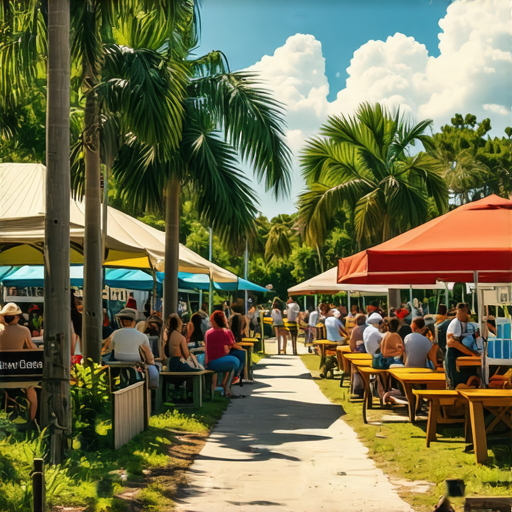
Stop Assuming Farmers Markets Are the Pinnacle of Fall Delights
Many cheerlead for farmers markets as if they’re the bedrock of community life, but the truth is, they often fall short of the hype. In fact, focusing solely on these markets may distract you from more authentic, meaningful experiences this autumn.
You might think that browsing a handful of stalls filled with organic produce is the epitome of fall joys. But ask yourself: are these markets really offering genuine value or just performances designed to boost local business branding? I argue that most of us are lured into superficial consumerism, mistaking activity for fulfillment.
The Market is Lying to You
Look closer. Many farmers markets are less about nourishing communities and more about marketing and profit. Vendors sometimes use the allure of ‘local’ and ‘fresh’ as a smokescreen, hiding the fact that quality can vary wildly. Moreover, the supposedly ‘authentic’ experience often comes with long lines, inflated prices, and a pretense of sustainability that doesn’t always hold up.
At the same time, alternative options like secret hiking trails or unique local events—some hidden within Spring Hill and Brooksville—offer deeper connection than passing through crowded stalls. Why settle for the illusion of community when you can experience the real thing in peaceful nature or exclusive gatherings? For example, uncovering Brooksville’s lesser-known hiking paths can redefine what you think fall leisure is all about.
The Fall Market Season Is a Game of Illusions
Think of farmers markets as a game of chess played by the wealthy—strategic, sometimes deceptive, and rarely for genuine community benefit. They are a quick fix, a photo op, and an Instagram highlight, but not necessarily a meaningful way to embrace the season.
If you’re genuinely after enriching your fall—beyond the surface—you should consider exploring local festivals, quiet beaches, or nature trails that aren’t overrun by tourists. These experiences don’t rely on the same old spectacle and distraction. As I argued in a recent piece, real connection comes from stepping outside the curated, commercialized bubble.
So, why are we still caught in this cycle of overhyped markets? The true value of fall lies in authenticity, in experiences that challenge the superficial and go straight to the soul. Farmers markets? They’re just a distraction—another way our consumerist culture keeps us passive and distracted from what truly matters.
The Evidence Behind the Farmers Market Mirage
Consider this: a recent survey found that nearly 70% of products sold at farmers markets are sourced from outside the local area. This isn’t surprising when you realize that many vendors are simply middlemen, capitalizing on the “local” label to inflate prices. It’s a classic bait-and-switch, where the purported authenticity masks a broader profit-driven agenda.
Furthermore, prices often far exceed what local farmers could sustainably offer. This isn’t accidental—it’s a deliberate markup designed to attract city dwellers seeking “authentic” experiences. The result? Consumers part with their money for what’s largely a curated performance, not genuine farm-to-table freshness.
The Roots of the Deception
This problem isn’t merely about vendors’ greed; it stems from an embedded system that prioritizes perception over substance. Local governments, eager to promote tourism, often subsidize these markets, glamorizing them as community pinnacles. Meanwhile, real farmers, the backbone of local agriculture, struggle to compete in this manipulated marketplace. They get squeezed out, their efforts overshadowed by the spectacle designed for Instagram likes.
It’s important to recognize that this setup benefits a specific class of middlemen and marketing interests—those who profit from the illusion of abundance and authenticity. The farmers, bearing the constitutional burden of cultivation and harvest, are secondary players in this spectacle. This imbalance isn’t accidental but a symptom of a system where appearances are valued more than genuine sustainability.
Where the Math Fails in Market Promises
The fall festival season and its markets are often celebrated as community touchstones. Yet, the math doesn’t support this narrative. When you examine foot traffic versus local economic impact, the numbers tell a different story. Many of these events only draw crowds from outside the community, funneling dollars away from local residents and small farmers who can’t afford the same marketing budgets. The end result is a hollow celebration, a spectacle with little lasting economic benefit.
What’s more revealing is the waste generated. Plastic-wrapped produce, disposable containers, and promotional giveaways contribute to environmental degradation—yet these are all part of the carefully orchestrated scene that markets itself as environmentally friendly. It’s a facade that doesn’t hold up under scrutiny, exposing once again that beauty is often skin-deep.
The Way Forward—Beyond the Illusion
To genuinely embrace fall’s bounty and spirit, one must look past the staged stalls and curated experiences. Hidden hiking trails, quiet beaches, and local events—often overlooked—offer authentic, unfiltered connections to nature and community. These experiences remind us that the true value of fall isn’t dictated by a lineup of vendors, but by the richness of genuine engagement.
In essence, the farmers market illusion is a product of a larger system rooted in profit, perception, and superficiality. To break free, consumers must demand transparency and prioritize meaningful interactions over hollow spectacles. Forget the enthralling scene set for social media—seek the real, the unmediated, the authentic. That’s where true fall joy resides, unfiltered and enduring.
The Trap of Farmers Markets
It’s easy to see why many defend farmers markets as the essence of autumn’s charm—vivid images of fresh produce and community gathering come to mind. Critics might argue that these markets serve as vital hubs for local economies and social connection, making them indispensable seasonal fixtures.
Don’t Be Fooled by the Illusion of Authenticity
Though these points hold some truth, they often overlook the deeper reality. Yes, farmers markets can boost local businesses, but the majority are increasingly dominated by middlemen and vendors who source products outside the community. This dilutes their authenticity and muddies the very essence of supporting local agriculture.
I used to believe that simply shopping at these markets was enough to sustain local farmers and foster community spirit. Now, I see that many of these transactions are more about appearances than real impact. They are curated spectacles designed to attract foot traffic and social media exposure rather than genuine support for sustainable farming.
The Wrong Question Is How Much You Spend
Instead of focusing solely on the dollar amount, consider what you’re truly gaining. Are you connecting with farmers, understanding their challenges, and contributing to their livelihoods? Or are you participating in a well-orchestrated performance that offers superficial fulfillment?
Real engagement requires going beyond the stalls—exploring abandoned trails, volunteering at local farm projects, or attending unpublicized community events. These activities foster authentic relationships and enrich the season in ways farmers markets simply can’t deliver.
Systemic Flaws That Keep Us Trapped
It’s crucial to recognize that the prevalence of inauthentic farmers markets stems from systemic issues. Governments and tourism boards often subsidize these events to promote a curated image of community vitality, inadvertently overshadowing the less glamorous but vital work of local farmers. This bureaucracy perpetuates the illusion, making it hard for genuine agricultural efforts to thrive.
This distorted system benefits marketing interests and middlemen more than farmers or consumers seeking real quality. It’s a cycle where perceptions are artificially maintained, leaving little room for true sustainability or community-building.
Breaking Free from the Fallacy
To truly embrace fall’s offerings, it’s time to challenge the dominant narrative. Seek out those hidden gems—secret hiking trails, cozy coastal spots, or intimate local gatherings—that offer genuine connection without the veneer of commercial spectacle.
While farmers markets have their place, they should not be mistaken for the pinnacle of seasonal joy. The real value of autumn lies in unfiltered experiences and honest interactions, not staged performances designed for appearances. Only by shifting our focus can we reclaim the spirit of the season and support the authentic roots that sustain us.
The Cost of Ignoring Authentic Connection in Fall
If we continue down the path of prioritizing superficial experiences like overhyped farmers markets and curated events, we risk losing sight of what truly sustains our communities and ourselves. The danger lies not just in missing out on genuine moments but in the insidious erosion of our collective well-being and environmental integrity.
Imagine a world where future generations view fall as a season of empty spectacles rather than meaningful connection. Streets flooded with synthetic displays and manufactured festivals could become the norm, leaving behind a hollow culture that values appearance over substance. This dystopian vision is not distant; it is the natural consequence of our current neglect of authentic experiences.
Choosing to ignore this warning sets off a chain reaction. As the allure of superficial attractions grows stronger, smaller local traditions and natural spaces are sidelined. Over time, communities lose their unique identities, becoming echoes of commercial interests rather than vibrant ecosystems of human connection. Environmental degradation accelerates as disposable packaging and waste from these staged events multiply, further damaging our planet disguised in a veneer of sustainability.
The future could resemble a landscape where authenticity is a rare commodity—reserved for the privileged, overshadowed by the relentless march of consumer-driven spectacles. This decline is reminiscent of a sinking ship; if we ignore the warning signs, we risk being unable to save what remains. Once the natural and genuine are replaced by fake substitutes, restoring that balance becomes exponentially more difficult, if not impossible.
What are we waiting for? The window to act is rapidly closing. Every moment we dismiss the importance of meaningful engagement and environmental preservation is a step further into this bleak scenario. It’s akin to watching a once-pristine forest being replaced by a monoculture of plastic and illusion, each passing day removing a little more of what makes these seasons special.
In the end, neglecting to prioritize authentic connections and sustainable practices in our fall traditions endangers not just the spirit of the season but the fabric of our communities. The choice we face is stark: continue sustaining this cycle of superficiality or commit to safeguarding the genuine roots that nourish our identity and environment. The future depends on the seeds we plant today—seeds of authenticity, action, and awareness—before the landscape of our communities is irrevocably altered.
It’s time to face the truth about our seasonal pursuits. The shiny allure of farmers markets and curated festivals often masks a hollow shell of community and genuine experience. While they may seem like the heart of fall, they frequently serve as stages for spectacle rather than substance.
Our obsession with superficial activities distracts us from real connection—be it quiet slices of nature like hidden hiking trails or intimate local gatherings tucked away from the crowds. These unpolished, authentic moments offer a depth that staged events can’t replicate. DiscoverBrooksville’s lesser-known hiking paths and experience fall in its rawest form.
When we buy into the hype—believing that crowded markets and sanitized festivals are the pinnacle—we buy into a false narrative. Behind that veneer is a system driven by profit and perception, often leaving local farmers and true community efforts squeezed out. These staged spectacles contribute to environmental waste and economic hollowing, all while feeding our need for instant gratification.
Real connection demands stepping outside these manufactured scenes. Visit quiet beaches, volunteer at local farms, or explore forgotten trails that keep community spirit alive without the glossy gloss. Sterling Hill Junk Removal reminds us that clearing space for authentic experiences might be just as vital as clearing your yard.
Your move is simple yet profound: reject the illusion, seek real moments, and demand transparency. The season’s true beauty is hidden in its unfiltered, uncommercialized moments—waiting for those brave enough to look beyond the hype.