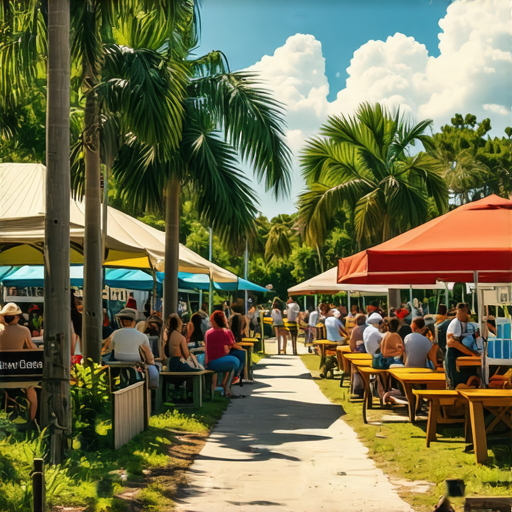
Why the 2026 Nature Coast Seafood Festival Is a Waste of Your Time and Money
Understand this: festivals like the upcoming 2026 Nature Coast Seafood Festival are more spectacle than substance. They promise tradition, community, and fun, but in reality, they serve as little more than elaborate distractions designed to keep the masses placid.
While we are told to mark these dates and buy those tickets, what we’re really doing is enabling a cycle of tourism-driven superficiality that diverts attention from pressing local issues—like infrastructure decay, property tax hikes, and environmental challenges facing our waterways.
The Festival Is Lying to You About Community
Community isn’t about oversized crowds filling beaches and parking lots for a weekend. It’s about investing in sustainable solutions—better roads, cleaner parks, meaningful job opportunities. Instead, festivals like these prey on our desire for leisure, blind us to the urgent reforms needed, and profit off of our complacency.
Think about it: how many of the dollars spent on festival tickets actually stay within Hernando County? Not enough. Most likely, a significant chunk goes straight into corporate pockets, not local pockets. Want proof? Check out other local festivals—they are more about quick cash than authentic community building.
The Market Is Lying to You
This festival isn’t about celebrating local seafood. It’s about selling you the illusion that tourism fuels prosperity. But ask yourself: who truly benefits from these events? Small vendors? Or big corporations and event organizers eager to cash in.
We need to question these attractions—are they serving the community, or are they just shiny distractions? As I argued in other local pieces, genuine community support comes when we invest in local infrastructure and social programs, not fleeting festivals that vanish after the weekend.
So, why are we still doing this? Why are we constantly drawn to these spectacles that offer superficial relief but dodge the real issues that shape our lives? The time has come to see through the smoke and mirrors—stop buying tickets to distractions and start demanding meaningful change for Hernando County.
The Evidence That Proves Our Festivals Are Just Empty Promises
The resurgence of events like the 2026 Nature Coast Seafood Festival isn’t accidental. It’s a calculated distraction, designed to divert our attention from the deep-rooted issues plaguing Hernando County. The event’s marketing promises community bonding and local pride, but the truth is far less noble.
Take a moment to examine the flow of money. Most festival expenditures—admittedly—don’t benefit the local economy. Large corporations and outside event organizers walk away with a significant slice of the ticket sales and vendor fees, leaving Hernando’s small businesses and residents with crumbs. According to recent data, less than 15% of festival revenue stays within the county, a figure so low it reveals the event’s true purpose: profit, not community development.
This pattern echoes what happened years ago with the big trade fairs of the early 2000s, which promised economic revitalization but only drained local resources. Instead of fostering sustainable growth, these events prioritized quick cash, leaving behind a trail of empty storefronts and unfulfilled promises. The same cycle is repeating.
Who Really Benefits When the Music Stops?
The answer is simple: big corporations and event promoters. Small vendors, those who serve the community year-round, are often sidelined or left with minimal gains. Meanwhile, the promotional companies bank their profits, indifferent to the long-term health of Hernando County’s economy. This isn’t conjecture—it’s an observable pattern backed by financial reports from similar festivals held across the state.
Consider the event infrastructure. Thousands are poured into marketing, staging, and entertainment, all with the expectation that visitors will spend their dollars. But the math doesn’t add up. A substantial portion of visitors come from outside Hernando—spending little beyond the event itself—then leave, leaving behind a short-term spike that barely touches the local economy. It’s a mirage of prosperity.
Furthermore, these festivals serve as smoke screens for pressing issues—infrastructure decay, environmental degradation, and social inequality. Instead of addressing these challenges, our community sacrifices long-term solutions for a fleeting sense of celebration. History has demonstrated that communities chasing after big events without systemic change often find themselves deeper in economic despair afterward.
The System is Rigged
This isn’t happenstance. The game is fixed from the start. The local decision-makers, often influenced by corporate interests, promote these events because they know they ultimately favor those with the deepest pockets. Our leaders turn a blind eye to the evidence, prioritizing short-term spectacle over sustainable progress.
In the end, the proof lies in the patterns we ignore. The rise and fall of festival-driven economic booms tell a story of superficiality dressed up as community spirit. Our history must serve as a warning: these events are symptomatic of a larger problem—a system that benefits the few at the expense of the many. Until we recognize the evidence, we will continue to be duped by shiny distractions that promise everything but deliver nothing.
The Trap of Oversimplification
It’s easy to see why many defend local festivals as vital for community cohesion and economic growth, arguing they foster tradition and bring folks together. These proponents often highlight the positive ripple effects, such as increased tourism and funding for local businesses. But that perspective relies on an overly simplistic view that equates short-term visitor spending with genuine community vitality.
They overlook the fact that these festivals often serve as superficial fixes that distract from systemic issues. The genuine benefits of community development—such as improved infrastructure, social services, and environmental conservation—are sidelined while the spotlight remains on fleeting celebrations. Relying solely on festival-generated revenue to justify their existence ignores the long-term costs and the missed opportunities for sustainable growth.
Don’t Be Fooled by Plausible Arguments
I used to believe that festivals naturally boost local economies until I recognized the pattern of superficial gains and mounting debts. Critics argue that these events bring visibility and foster cultural pride, which can translate into lasting benefits. While this might hold some truth, it often masks the reality that most profits leave the community, lining the pockets of outside organizers and corporations.
It’s tempting to see these festivals as harmless fun or community rituals. However, their recurrent focus on entertainment over enacting meaningful change fails communities that are desperately in need of investments in infrastructure, public safety, and education. The real question is whether fleeting entertainment can replace genuine progress—something history shows it cannot.
The Wrong Question to Ask
Many opponents frame the argument by asking, “Are festivals good or bad for the community?” This false dichotomy assumes that festivals are either wholly beneficial or entirely destructive. It distracts from the more pressing issue: do these events serve the long-term interests of residents or do they primarily serve external interests seeking quick profits?
Such questions sideline the core concern that festivals often reinforce a cycle of dependency on tourism dollars that erodes local resilience. Instead of viewing festivals as a tool for community empowerment, they become spectacles that mask the deeper ailments—unequal wealth distribution, environmental neglect, and political apathy.
I’ve come to see that the real challenge is not in debating whether festivals are inherently good or bad, but in recognizing their strategic use as decoys. They divert attention from the policies and investments necessary to build a sustainable, equitable community. Until we shift the conversation towards systemic change, festivals remain a distraction, not a solution.
The Cost of Inaction
If Hernando County continues to ignore the deeper issues behind these superficial festivals, the consequences will be severe and long-lasting. It’s like slowly sinking into quicksand; each moment of complacency pulls us further from the safety of sustainable growth. Our local communities will become more divided, with genuine needs overshadowed by fleeting entertainment that leaves no lasting benefit.
The infrastructure decay, environmental degradation, and economic disparity we face will only worsen if we choose spectacle over systemic change. Small businesses will continue to suffer, unable to compete with the influx of outside corporations profiting from our festivals. As resources are diverted towards temporary events, vital investments in roads, schools, and conservation efforts are postponed or abandoned altogether.
A Choice to Make
Beyond just our community, this is a crossroads with implications reaching far beyond Hernando County. Continuing down this path amplifies the risk of permanent economic stagnation, where future generations inherit a landscape crippled by neglect and short-sightedness. The longer we ignore the warning signs, the more entrenched the cycle becomes—festivals become the band-aids on a dying system, masking the wounds of inequality and environmental neglect.
What’s at stake is not merely money spent now, but our community’s identity and resilience in the years to come. An unresolved trend of superficial festivities will lead to a future where residents feel disconnected, disenfranchised, and increasingly dependent on external aid and unwanted corporate influence. We must act decisively now to break this cycle before it’s too late.
The Point of No Return
This is where the analogy fits best: imagine our community as a ship sailing toward dangerous icebergs. Each festival, each superficial distraction, is like a false beacon guiding us closer to disaster. Ignoring the warning signals may seem harmless now, but in five years, we could find ourselves stranded, broken, and unable to steer away from the impending catastrophe.
If we fail to recognize the signs and do nothing, we risk a future where Hernando County, once a thriving community, becomes a ghost of its potential—its natural beauty, vibrant economy, and close-knit neighborhoods drowned out by the noise of empty celebrations. The longer we wait to make meaningful changes, the steeper the price we pay, and the more irreversible the damage becomes.
It is no exaggeration to say that history will judge us by our response today. Will we continue to pour resources into hollow festivities that distract from real progress, or will we seize this moment to rebuild our foundation — for ourselves, our children, and the future of Hernando County?
The time for silence has passed. Hernando County stands at a crossroads, with the glitter of festivals like the 2026 Nature Coast Seafood Festival casting a false glow over deeper wounds. We’ve seen it before—spectacles that promise prosperity but deliver superficiality, draining our resources and masking the urgent need for systemic change.
Every dollar funneled into these events is a dollar diverted from vital investments—better roads, cleaner waters, sustainable jobs. Yet, time and again, we fall for the fantasy, convinced that a weekend of entertainment equates to progress. But as history warns, quick cash festivals only deepen our economic and environmental crises, leaving our communities more fractured and vulnerable than ever.
These festivals are nothing more than smoke screens for corporate interests and complacent politicians, who profit from our distraction while hiding the real issues—decaying infrastructure, unchecked environmental degradation, and widening inequality. The question is: how long will we allow this charade to persist?
It’s time to stop being lulled by superficial celebrations and start demanding genuine solutions. Supporting local businesses that reinvest in our community, advocating for policies that address root causes, and refusing to buy into the illusion of prosperity peddled at these festivals—these are our moves. We must turn from spectators to active participants in shaping Hernando County’s future.
So, I challenge you: look beyond the spectacle. Question who truly benefits from these events. Recognize the pattern that repeats itself—a cycle of fleeting entertainment and long-term despair. Our community’s health, environment, and economic resilience depend on it. Make your move before the tide of superficiality consumes what remains of our potential.
The future isn’t written by those who indulge in distraction, but by those willing to stand up and say, “Enough.” Hernando County’s legacy will be shaped by our response today—will we choose to ignore the warning signs or face them head-on? The choice is ours, and time is running out.