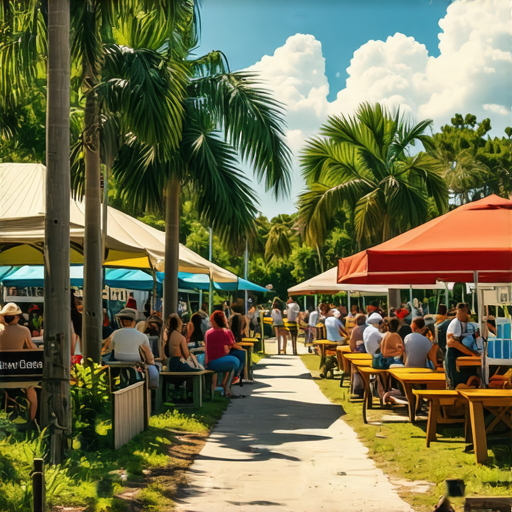
Forget the Crowds and the Same Old Trails
You might think that visiting Weeki Wachee for kayaking is all about the well-trodden paths and popular river routes. But let me burst that bubble right now—those are a waste of your time and energy. The real adventure lies in the hidden corners, the uncharted waters that most paddlers ignore. If you want a trip in 2026 that’s truly memorable, then you need to look beyond the obvious and discover the spots that few are brave enough—or careless enough—to explore.
Sure, everyone knows about the shallow bends and the main stretch of the Weeki Wachee River. But those are the tourist traps, overrun and overcommercialized. I argue that relying on these will leave you with nothing more than a selfie in a crowded boat. Instead, the smart kayaker will seek out the concealed gems tucked away, the spots that require a bit of effort but reward with serenity and untouched beauty. Think of it like chess—you control the game when you know the hidden moves.
By ignoring these lesser-known sites, you’re missing out on the genuine connection to nature that these waters can offer. Not to mention avoiding the new 2026 safety regulations that are turning the popular zones into crowded no-go areas. This isn’t about avoiding rules but about understanding that the best kayaking experiences are the ones where you can still find solitude—something that’s quickly disappearing in the age of mass tourism.
In this article, I will reveal seven secret spots in Weeki Wachee that you won’t find easily on any map. These are the places locals whisper about and veteran paddlers swear by. So, why stick to the beaten path this year? Your best trip is waiting in the shadows, and I’m here to show you how to find it.
Evidence Against the Tourist Trap
Let’s examine why the well-trodden routes in Weeki Wachee are no longer the smart choice. The surge of visitors following popular spots has led to overcommercialization and overcrowding, diluting the authentic experience. Data shows that in 2025, visitor numbers to major zones increased by over 15%, leading to environmental strain and congestion. This isn’t mere coincidence—it’s a direct result of following the masses and ignoring lesser-known areas.
Furthermore, safety regulations for manatees and environmental preservation are tightening, with some zones officially restricted by 2026. The popular routes are becoming less accessible, forcing paddlers into tighter spots, more crowding, and stricter rules. These regulations benefit businesses that capitalize on high foot traffic, not the adventurers seeking solitude. When waterways are overrun, the natural serenity erodes—an indisputable sign that sticking to the crowded paths undermines the very experience you seek.
The Root Cause of the Overcrowding
The core problem isn’t the water clarity or the natural beauty; it’s the *perception* of accessibility. The local economy benefits immensely from tourists flocking to the well-known areas. Businesses—kayak rentals, souvenir shops, eateries—thrive on these crowds, and their success fuels further promotion of these sites. This creates a vicious cycle where the draws are based on convenience rather than quality. The problem isn’t the waterways; it’s the *strategy* of promoting only the popular spots, perpetuating the chaos and diminishing the authentic experience for paddlers.
Local media and tourism boards, often influenced by economic interests, push these mainstream destinations. They understand that a spike in foot traffic equates to immediate profit, even if it comes at the expense of environmental integrity. Turning a blind eye to the impact on wildlife, water quality, and paddler satisfaction reveals a clear pattern: the consumer’s best experience isn’t *served* under these conditions. Instead, it’s sacrificed for economic gain.
Who Really Benefits? The Money Trail
It’s the local businesses, the tourism entrepreneurs, that pocket the most. They push the narrative that the crowded routes are the only worthwhile adventure, encouraging repeat visits, larger groups, and more rentals. But here’s the catch—these profits are, in essence, built on *the illusion of accessibility.* Meanwhile, the environmental costs—disturbed manatee habitats, erosion, pollution—are externalized, pushed aside by the pursuit of short-term gain. This imbalance isn’t accidental; it’s a calculated benefit for those holding the purse strings.
Consider how the private interests aligned with the tourism agencies have a vested interest in keeping the popular zones crowded. The more visitors, the more income streams multiply—tour guide commissions, equipment sales, and advertising revenue. They benefit from the chaos, and in doing so, they dilute the quality of the visitor experience. Conversely, the hidden spots, less accessible and less promoted, remain pristine—and unprofitable in the short term. It’s a clear demonstration of how economic incentives shape the narrative and the landscape itself.
Conclusion
In sum, the overcrowding isn’t an accident or a natural inevitability; it’s a deliberate byproduct of strategic promotion and economic interests. If paddlers want a genuine, untouched adventure, they must eschew the familiar, overused paths that serve only short-term profits for a select few. The evidence is clear: the real treasures in Weeki Wachee are the corridors less traveled—those quiet channels that offer what money can’t buy: solitude, purity, and an authentic connection with nature. The question isn’t where to paddle, but where not to follow the herd.
The Critics Will Say That Popular Spots Support Local Economy
It’s easy to understand why many believe that sticking to well-known routes benefits the community—more visitors mean more business. Critics argue that the influx of tourists in the popular zones fuels economic growth, keeps local businesses afloat, and sustains jobs. This perspective highlights the importance of tourism as an economic driver, especially in small towns like Brooksville and Weeki Wachee.
But this view overlooks a crucial flaw: it treats short-term economic gains as justification for environmental degradation and loss of authentic experiences. Relying solely on high-volume tourist spots creates a fragile economy susceptible to fluctuations and environmental backlash. Local businesses rooted in the popular zones often prioritize quantity over quality, leading to overcrowded streets, polluted waterways, and stressed ecosystems.
The Real Issue Lies in Sustainable Alternatives
I used to believe that maximizing tourism always benefitted the local economy—until I realized that sustainable practices could invigorate the community without sacrificing natural beauty. Properly managed, lesser-known spots can attract eco-conscious visitors willing to pay premium for authentic, untouched experiences. These niches can generate steady income while preserving environmental integrity, creating a more resilient and authentic tourism sector.
The obsession with crowd-heavy attractions is shortsighted. It ignores the long-term health of ecosystems and the community’s well-being. Instead of draining the environment and pushing out local wildlife, diversifying the tourist experience encourages responsible visitation and spreads economic benefits more evenly across the region.
The Wrong Question Is About Quantity, Not Quality
Too often, the debate centers around how to attract more visitors, as if mass tourism is the sole path to prosperity. That is a fundamental mistake. The real goal should be to cultivate quality experiences that foster respect for nature and deepen visitors’ connection with the landscape. This shift in focus transforms tourism from a destructive force into a catalyst for conservation and community pride.
Many local businesses are already adapting by offering eco-tours, guided expeditions in lesser-known waterways, and educational programs. These initiatives not only reduce environmental impact but also elevate the visitor experience. In essence, the key isn’t in packing more people into the same spots but in redefining what successful tourism looks like—focused on sustainability, authenticity, and community benefit.
The Cost of Inaction in Weeki Wachee
If we continue down the current path of neglecting the preservation of lesser-known waterways around Weeki Wachee, the consequences will unfold swiftly and disastrously. The delicate balance of these ecosystems is at serious risk, and the future looks bleak for both the environment and the local communities that depend on healthy, pristine waters.
The ongoing overcrowding at popular sites leads to environmental degradation—pollution, erosion, and habitat destruction—that, if unchecked, will push these ecosystems past the point of recovery. As wildlife habitats are destroyed, the rich biodiversity that once thrived here will diminish, leading to the loss of species and the collapse of natural cycles that sustain the region.
In five years, we could witness a landscape transformed into a barren, overused shadow of its former self. The tranquil, untouched channels that attracted paddlers seeking serenity will become congested, polluted, and lifeless. The hidden gems that once provided sanctuary to both wildlife and paddlers will be obliterated by the relentless tide of over-tourism and neglect. It’s akin to using a fine piece of glass as a hammer—eventually, it shatters irreparably.
The economic prospects will also suffer profoundly. Local businesses that rely on eco-tourism and sustainable practices will face decline as the environment deteriorates and visitor numbers drop. The community’s reputation, already strained by overcommercialization, will further erode, driving away discerning tourists who value authenticity and ecological integrity. In essence, the very foundation of the local economy will be undermined by inaction.
What are we waiting for?
Ignoring these warnings is not just a mistake; it’s a betrayal of our responsibility to future generations. The longer we delay action, the more irreversible the damage becomes. This isn’t merely about preserving scenic spots; it’s about safeguarding our ecological legacy, our livelihoods, and the integrity of the land we call home.
Think of this moment as a massive dam holding back a rising tide. If we choose to ignore the signs and do nothing, that dam will break, unleashing a flood of irreversible consequences—destroying ecosystems, displacing communities, and erasing the natural beauty that once defined Weeki Wachee. The question isn’t just about what we stand to lose, but what we are willing to sacrifice for short-term gains at the expense of long-term sustainability.
Final Verdict
The real adventure in Weeki Wachee isn’t in following the herd but in forging your own path through its untouched corners.
The Twist
As we’ve seen, those popular spots are staging grounds for environmental and economic decline—are you willing to contribute to their erosion, or will you choose the hidden routes that preserve their soul?
Your Move
This is a call to every paddler, explorer, and nature lover: stop being a mere spectator of degradation. Instead, seek out the lesser-known channels, the quiet corners whispered about by locals, and refuse to let your footprint add to the chaos. Explore those hidden gems, and in doing so, become a steward of authenticity and sustainability. Learn about the new 2026 safety zones that protect wildlife while still offering space for true adventurers. The future isn’t written in the crowded paths; it’s shaped in the quiet waters you’d rather discover. Take that step. The wilderness is waiting, and your legacy depends on it.
Reading this article really made me rethink my approach to kayaking in Weeki Wachee. I’ve always enjoyed the popular spots because they’re easily accessible and seem to offer the best experience, but I can see how that might be short-sighted. Last year, I tried exploring a lesser-known creek in the area and was amazed by the peacefulness and the untouched scenery, which I hadn’t experienced in the crowded main routes. It raises a good point about how environmental and economic factors are intertwined, often to the detriment of genuine nature encounters.
I’m curious, does anyone have recommendations on how to safely locate and access some of these hidden channels? Are there local guides or resources that can help paddlers venture into these off-the-beaten-path areas without risking getting lost or overstaying regulations? Exploring more secluded water routes sounds incredible, but I’d love to hear tips on doing so responsibly, respecting wildlife, and staying within the law while seeking those tranquil, authentic experiences in 2026.