Why This Fails
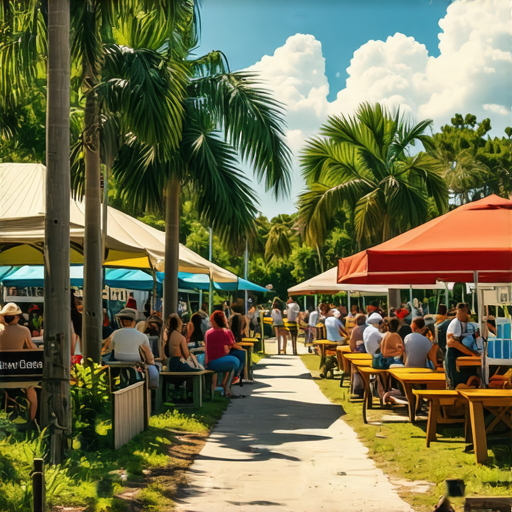
If you think the best kayaking spots on Florida’s Nature Coast are the ones littered with tourists and selfie-seekers, then you’re already part of the problem. The truth is, most people are content with the crowds, blissfully unaware that they are missing out on a genuine adventure. They paddle in the soup of superficiality, never knowing the hidden gems that could redefine their experience.
Here’s the hard truth: the crowded waters are a mirage. They give a false sense of popularity, but in reality, they drown out the quiet whispers of untouched nature. I argue that if you truly want to connect with Florida’s riverine soul, you must brave the lesser-known, the overlooked, and sometimes even the dangerous. The secret of the coast lies far from the well-trodden paths; it’s hiding in the shadows, waiting for the audacious kayaker.
The Market is Lying to You
Travel guides spin tales of popular spots like Weeki Wachee or Hernando County’s biggest events, but they omit the truth that genuine adventure drips in the unexplored corners. As I argued in this guide, the best experiences are often hidden behind “No Trespassing” signs or tucked away across treacherous currents. Knowing where to go, and where not to follow the masses, is what separates a kayaker from a tourist.
Think of the typical Florida kayak trip as a game of chess—if you play your pawns on the popular squares, you’re destined to be captured by the crowd. But move into the shadows, explore the side channels, and suddenly, the board opens up in ways you never imagined. Trust me, some of the most spectacular spots are found in disused canals, quiet coves, or sections of the river that locals keep secret.
Stop Doing This
Stop believing that the busy spots are the best. That’s a dangerous myth. They are the easiest, the most convenient, but they are also the most depleted of authenticity. If you’re serious about your paddle, you need to venture where others fear to go. Pack your gear, study maps, and prepare for the unexpected—because the real treasures are guarding themselves from the average kayaker.
And while you’re exploring, consider the importance of responsible recreation. The more we go off the beaten path, the more we must respect nature and local regulations. For example, with the new rules in place at Weeki Wachee, knowing where and how to paddle without damaging our environment becomes a moral responsibility.
The Hard Truth of the Hidden Waters
Like the sailors fighting against a sinking ship, kayakers seeking quiet and untouched waterways are battling the tide of commercialization. The secret beaches, the forgotten rivers, the secluded coves—it’s a race against time. Soon enough, these secrets will seep into the mainstream, spoiled by overexposure, and lost forever.
So, why do I push this narrative? Because I believe that the real charm of the Nature Coast isn’t in what’s popular but in what’s hidden. It’s in the quiet ripples of a lesser-known creek, the whisper of cypress knees, and the thrill of discovering a new way to see Florida’s land. And in that discovery, you find your own truth—beyond the crowds, beyond the noise.
Explore smart, explore brave, and remember—sometimes the best way to enjoy nature is not to follow the herd but to carve your own trail.
The Evidence: A History of Overexposure
History demonstrates how fleeting popularity can destroy the very essence that made a destination special. Take the case of the Everglades’ early days, when secret trails and untouched marshes drew intrepid explorers. As tourism boomed, those authentic spaces transformed into crowded parks, their uniqueness eroded. The same pattern is evident along Florida’s Nature Coast today. When a spot gains recognition, it quickly morphs into a commercialized circus, stripping away its natural charm. This pattern isn’t coincidental; it’s a warning sign.
The Root Cause: Profit Over Preservation
The core issue isn’t the number of visitors but the *motivation* behind their arrival. Developers, tourism boards, and local businesses benefit financially from popular sites. It’s a *methodical pursuit* of profit—marketing the most accessible, ignoring the cost to nature and authenticity. This relentless drive fuels a cycle of overexposure, where the thrill of discovery is replaced with overcrowding. The true problem lies in our collective complacency, accepting crowded trails as the only valid experience.
Follow the Money: A Hidden Agenda
When examining who gains from this overexposure, the answers are clear—money talks. Businesses thrive on foot traffic, real estate absorbs the influx of visitors, and local governments collect taxes. Meanwhile, the land itself bears the brunt—overused, polluted, and desecrated. This economic incentive creates a *vicious cycle*: the more popular a site becomes, the more it is exploited, leading ultimately to its degradation. The ‘hidden’ beneficiaries are not the visitors or the environment but those profiting from the status quo.
Why This Matters: The Cost of Complacency
This relentless march for mass appeal costs us our future—once pristine waterways turn into sanitized, artificial corridors. The allure of untouched Florida waters isn’t just nostalgia; it’s a *legacy* worth fighting for. The evidence shows that without decisive action, we risk losing our most precious natural assets. The future of our waterways depends on recognizing that popularity often masks decay, and the real treasure lies elsewhere—hidden in the shadows of neglect and overdevelopment.
To protect what remains, we must understand that the current model prioritizes immediate profit over long-term sustainability. Ignoring this *truth* only accelerates the destruction of untouched ecosystems. The challenge isn’t finding new spots—it’s resisting the temptation to sell out to short-term gains. This is a battleship navigating dangerous waters, and only through awareness and restraint can we steer clear of irreversible loss.
$PostImagePlaceholdersEnum.ImagePlaceholderB
The Trap of Popularity
It’s easy to see why many believe that visiting the most crowded spots on Florida’s Nature Coast guarantees an authentic experience. The allure of bustling marinas and lively parks often suggests that these places are the heart of local life. I used to believe that lively crowds meant a destination was worth visiting—after all, popularity often signals quality, right? But that view overlooks a crucial reality: the most talked-about locations are frequently the most depleted of genuine wilderness and serenity.
Don’t Be Fooled by the Masses
The critics will argue that these crowded spots are the easiest access points—safe, convenient, and well-developed—perfect for families or casual visitors. They claim that popularity is a badge of success, a sign that a place has something to offer. While there is merit in easy access, this mindset shortchanges the importance of solitude and untouched nature. The most meaningful experiences come not from standing shoulder to shoulder with other tourists but from discovering quiet corners that few dare to explore.
What about the argument that the crowds support local economies? It’s true that tourism boosts immediate revenue, but at what cost? Overcrowding erodes the very environment that attracts visitors in the first place, often leading to pollution and habitat destruction. So, relying solely on popular sites as economic drivers fosters a destructive cycle—boost income today, sacrifice beauty tomorrow.
The Wrong Question
Many ask, “Should we avoid popular spots altogether?” That question is shortsighted because it presumes that these spots are the only windows into Florida’s natural beauty. Instead, we should ask: “Where are the hidden treasures that allow us to connect more deeply?” This shift in perspective is pivotal. It challenges us to look beyond the surface and seek out the purest, least disturbed environments that remain off the beaten path.
My own journey changed when I realized that the most profound encounters with nature happen not amidst the crowds but in the silent, overlooked channels and secluded coves. These are the places where the land and water still breathe unfiltered, where the true spirit of Florida endures. To dismiss them because they’re less accessible or less fashionable is to deny ourselves authentic adventures.
The Reality of Resistance
It’s undeniable that advocating for the preservation of hidden areas confronts the powerful forces of commercialization. The opposition argues that infrastructure development and increased visitation will bring progress. Yet, this progress is often a veneer that masks environmental degradation. Sacrificing these lesser-known sites to accommodate more visitors guarantees their eventual loss, transforming pristine landscapes into overbuilt resorts or overwhelmed parks.
Recognizing this, I challenge the assumption that our participation in overcrowded tourism is necessary for economic growth. Sustainable practices and responsible recreation can support local communities without sacrificing ecological integrity. The real question becomes: Are we going to be passive consumers of destruction or active stewards of our natural heritage?
${PostImagePlaceholdersEnum.ImagePlaceholderC}
In conclusion, accepting popular spots as the only or best way to experience Florida’s Nature Coast neglects the deeper value held in solitude and conservation. The critics’ perspective, though understandable, misses the fundamental point: true adventure and authenticity lie in exploring the unseen, protecting the fragile, and resisting the pull of mainstream popularity. Only then can we preserve the true essence of this land for generations to come.
The Cost of Inaction
If we continue to overlook the warnings about overexposing Florida’s lesser-known waterways, the consequences will be devastating. Our negligence sets off a chain reaction: pristine environments begin to degrade, ecosystems become fragile, and the very charm that draws visitors and locals alike fades into a distant memory. The vibrant, untouched landscapes we cherish could be lost forever, replaced by sterile, overdeveloped sites that mimic commercialized attractions rather than authentic nature.
A Choice to Make
The future hinges on the decisions we make today. Ignoring the silent cries of these endangered waters is akin to watching a fire spread and doing nothing. If we prioritize short-term gains over long-term sustainability, we risk turning our beautiful coast into a cautionary tale—a barren wasteland stripped of its ecological richness. Our neglect will not only erase natural treasures but also undermine the very essence of what makes Florida’s Nature Coast unique, diminishing opportunities for future generations to experience genuine wilderness.
The Point of No Return
Imagine a world where the quiet, secluded creeks and pristine coves are relics of the past—overrun, polluted, and forgotten. It’s a scenario similar to watching a dam fail after years of neglect; the floodwaters of destruction can’t be contained once the critical thresholds are crossed. In five years, if this reckless trajectory persists, we could see the disappearance of our most valued landscapes, replaced by concrete and commercialization. The ecosystem’s delicate balance will be shattered, leading to irreversible damage that no restoration effort can undo.
We stand at a crossroads, and the choices we make now will determine whether we preserve Florida’s natural legacy or watch it drown in a tide of greed and indifference. The urgency is clear: act decisively or accept the loss of our waterways’ soul—an inheritance that cannot be replaced once gone.
${PostImagePlaceholdersEnum.ImagePlaceholderD}
For too long, we’ve settled for the flashy, overcrowded waters that promise excitement but deliver only echoes of what once was. The real challenge lies not in finding new spots, but in daring to leave behind the familiar and embracing the lesser-known, the untouched, the secret. This is more than a call for adventure—it’s a call to protect our legacy and redefine what authenticity means on Florida’s Nature Coast.
The Final Verdict: If we don’t act now, the hidden gems that preserve Florida’s true essence will be lost forever, drowned under the weight of greed and complacency.
The Twist: Sometimes, the biggest act of rebellion is simply choosing to go where no one else dares, reclaiming the purity of our waterways before it’s too late.
Choose to be more than just another tourist caught in the illusion of popularity. Seek out the quiet creeks, explore the silent coves, and respect the delicate balance that sustains this land. For in doing so, you don’t just discover Florida—you embody its true spirit. The question isn’t whether you can afford to skip the crowds; it’s whether you’re willing to fight for the future of our waters. The onus is on us—be the change you want to see, because the next generation’s wilderness depends on our courage today.
Stop waiting for permission. Start carving your own trail and challenge the tides of conformity. Your Waterway Revolution begins now.