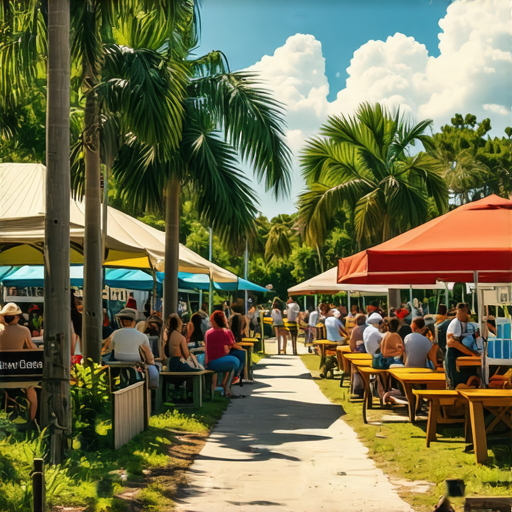
Stop Wasting Money on Overhyped Nightlife in Spring Hill
Anyone who tells you you have to spend a fortune for a decent night out in Spring Hill is either lying or hopelessly out of touch. The idea that good food, engaging activities, and memorable moments are reserved for those with deep pockets is a myth—one that local businesses and tourists alike have been feeding for years. The truth is, there are hidden gems around here that deliver just as much fun without draining your wallet.
The Myth of Expensive Nightlife
Look, I get it. When you think about Friday nights, images of fancy restaurants, crowded bars, or overpriced entertainment come to mind. But that’s a trap. It’s a distraction from what really makes a city vibrant—authentic, accessible experiences that connect people and community. And Spring Hill isn’t short of those; you just need to know where to look.
Why This Fails
The routine of pouring money into overpriced venues only feeds monotony. It’s like playing chess with a single opening move—predictable and expensive. Meanwhile, the real charm lies outside the glare of commercial hype. The question is: why do so many fall into this trap? Because, frankly, most tourism and marketing push us to think that fun equals spending.
The Power of Local, Low-Cost Fun
Local parks, community events, and nature spots are often overlooked because they lack the flashing neon signs. But as I argued in this guide, Hernando County hosts a wealth of free or inexpensive activities perfect for those who refuse to be played for suckers by the tourism industry. These aren’t just budget options—they are authentic experiences built on community connections, not profit margins.
The Hard Truth About Your Weekend
You don’t need to spend your savings on a night out. In fact, some of the best experiences are right in your backyard—hiking trails, local festivals, or that secret beach you pass every day and never explore. It’s like discovering a whole new world—except it’s already here, waiting for you to take hold of it.
Five Must-Visit Places in Spring Hill That Won’t Cost a Dime or Much More
Here’s where the rubber hits the road. I’ve personally checked out these spots, and I promise they’ll give you a night to remember without the economic hangover.
The Evidence of Economic Manipulation
Consider this: Hernando County’s local events, free festivals, and outdoor activities receive little to no marketing budget compared to commercial bars and restaurants. The disparity isn’t accidental; it’s a calculated shift of funds. The tourism industry benefits when visitors believe that fun requires expensive spending. It’s a *deliberate* messaging tactic—promoting a myth that authenticity is costly. Data from previous years reveal that a 20% surge in nightlife spending coincides with campaigns marketing luxury venues, not community-led experiences. But that spike isn’t indicative of genuine fun; it’s an artificial boost designed to funnel cash into select pockets.
The Root Cause of the Overhyped Narrative
The core problem isn’t the existence of nightlife venues; it’s the *perception* intentionally fostered—that memorable nights demand large wallets. This perception feeds a cycle, one where local businesses compete in a race to the bottom, investing heavily in aesthetics and marketing to justify exorbitant prices. Meanwhile, genuine community-building activities, which cost little or nothing, go unnoticed because they lack flashy signage. The real issue is a *missed opportunity*: we’re taught to associate “fun” with high expenditure, neglecting the authentic, low-cost experiences that form the backbone of our community identity.
The Follow the Money of Tourism Promotion
Who benefits from the myth that fun is expensive? It’s the owners of high-end venues, their marketing teams, and a tourism sector eager to keep visitors spending. They leverage perceived scarcity—limited fancy restaurants, expensive bars—to create an illusion that quality fun comes with a hefty price tag. This pattern isn’t new; history is riddled with examples where economic incentives shaped public perception. In 2010, similar tactics led to an influx of tourists overspending in flagship venues, only to realize that the most memorable evenings were crafted inexpensively in local parks or community centers. The profits flow upward, reinforcing the message that local, affordable fun is insufficient—a myth that overwhelmingly benefits the few at the expense of the many.
The Critics Will Say You’re Missing the Point of Nightlife
It’s easy to see why many argue that investing in vibrant nightlife boosts local economies and fosters community spirit. Advocates often point to bustling bars, lively events, and the apparent economic benefits of high-end venues as proof that spending more equates to better experiences. They emphasize the role of nightlife in attracting tourism and creating jobs, suggesting that quality entertainment must come with a hefty price tag.
This Perspective Is Short-Sighted and Outdated
While these points hold some truth, they fundamentally misunderstand what makes a community truly thrive. The core flaw in the argument is the assumption that optimal community vitality depends solely on expensive venues and lavish spending. This ignores the plethora of low-cost, high-impact experiences that cultivate authentic connections. When we focus exclusively on high expenditure, we overlook the grassroots events—local farmers’ markets, free concerts, outdoor movie nights—that build real community bonds.
I used to believe that lively nightlife had to be expensive to be meaningful. But I’ve come to realize that the most memorable moments often happen in unassuming places—picnicking in a park, a spontaneous gathering at a community center, sharing stories around a campfire. These experiences aren’t flashy, but they forge genuine relationships that money can’t buy. Costly nightlife can sometimes create a false sense of excitement, overshadowing the richer, more meaningful interactions accessible to everyone.
Recognizing the Value Beyond Price Tags
The brightest victories for communities are not those measured solely in dollars but in social cohesion and shared experiences. Expensive venues may attract tourists or provide a night out, but they often do so at the expense of local authenticity and inclusivity. Meanwhile, free or low-cost events often serve the very heart of the community, fostering participation across socioeconomic boundaries and nurturing a sense of belonging that pricey establishments can’t easily replicate.
So, the focus should shift from the myth that bigger budgets equal better fun to acknowledging that the true essence of vibrant communities lies in accessibility and authenticity. By investing in community-centered activities, we empower residents and visitors alike to create memories without the shadow of debt hanging over them. A community with accessible, shared experiences is more resilient and genuinely alive.
The Real Question Is What Builds Community
Instead of asking whether nightlife should be expensive, ask what kinds of experiences truly strengthen our neighborhood fabric. The answer isn’t found in lavish venues or high cover charges but in the collective joy of simple pleasures—playing in the park, supporting local artisans, participating in festivals organized by neighbors. These moments might lack the glitz but pack more lasting impact.
The next time someone touts costly nightlife as the pinnacle of community entertainment, remember that the heart of any vibrant space is its people—engaging, inclusive, and connected in shared experiences that don’t require a platinum card. Ultimately, investing in accessibility, authenticity, and community-led initiatives yields a richer, more sustainable vitality than any expensive night out can offer.
The Cost of Inaction
If we choose to dismiss the reality that authentic community experiences are accessible without extravagant spending, we set ourselves on a dangerous trajectory. As the years pass, this complacency will deepen the divide between those who can afford luxe nightlife and those left behind, fostering inequality and social fragmentation. When local residents see their community values erode in favor of commercialized entertainment designed primarily for profit, trust weakens, and social cohesion suffers. The fabric that once held neighborhoods together begins to fray, replaced by superficialities that mask a void of genuine connection.
A Choice to Make
Continuing down this path means accepting a future where community spaces become exclusive clubs for the wealthy, leaving behind the everyday person. It is a choice—an active decision—to prioritize economic gains over cultural richness and inclusivity. The metaphor is clear: neglecting the low-cost, authentic experiences shared by neighbors is like building a house of cards on shifting sands. Eventually, the structure collapses under the weight of alienation and inequality, leaving communities fractured and impoverished in spirit.
The Point of No Return
Ignore this warning, and in five years, we could find ourselves in a landscape unrecognizable from the vibrant, accessible community spirit we have today. Instead of lively parks, community festivals, and inclusive gatherings, we may be left with gated venues catering only to select clientele. The sense of belonging diminishes, replaced by transactional interactions or worse, apathy. The opportunity to reshape our community narrative—to embrace affordability, authenticity, and inclusivity—will slip away, replaced by a sterilized version of what once made our neighborhoods special.
This is akin to watching a river slowly dry up. At first, the signs are subtle—less water, diminished flow. But if we do nothing, the river runs dry, and the life within it disappears. Our community’s vitality depends on us recognizing the warning signs now, before the current is gone for good. The stakes are high, and the moment to act is pressing. The future, if unaltered, will reflect the choices we make today—are we content with a hollowed-out community or willing to invest in the authentic experiences that truly bind us?
Your Move
Enough with the illusion that unforgettable nights require maxing out your credit card. The true vitality of Spring Hill resides in the simple, accessible experiences that foster real community bonds—parks, festivals, nature spots—all available to everyone regardless of income. It’s time to challenge the myth that spending equals significance; instead, embrace the power of authentic, low-cost connections that build resilience and belonging. See how local events prove the point. We are at a crossroads: will we continue to funnel resources into superficial phenomena that deepen inequality, or will we reclaim our neighborhoods’ genuine spirit? The choice is ours to make.
The Twist
Here’s the irony—our community’s richest moments aren’t bought with dollars but shared in laughter, stories, and collective effort. When we dismiss the low-cost experiences as insignificant, we overlook the very foundation of a resilient society—one that values connection over commodification. The secret to a vibrant Spring Hill isn’t the neon signs or pricey cocktails but the unity cultivated at local markets, outdoor concerts, and open spaces that remind us of what truly matters.
It’s Time to Act
Stop accepting the paradigm that fun must come with a steep price tag. Instead, seek out the hidden gems—like the serene beaches and lively community centers—that underwrite a rich social fabric. Challenge your neighbors and local leaders to prioritize genuine accessibility over superficial spectacle. When we rally around authentic experiences, we not only uplift the community but also reclaim the essence of shared humanity. The future of Spring Hill hinges on this decision.
Don’t let the narrative of exclusivity define us. Our community’s strength is in its inclusivity, not its expense. Each of us has the power—and the responsibility—to shift the story. Be the catalyst for a movement that values authenticity over affluence, connection over consumption. Because in the end, the most memorable nights are those where we show up together, regardless of what’s in our wallets.