Forget the Crowds, Embrace the Quiet: Why Big Festivals Are a Detriment to Family Fun
If you’ve ever taken your family to a popular festival, you know the drill. Long lines, packed parking lots, the chaos of kids vying for a broken toy or a sugary snack. But here’s a brutal truth: these mass gatherings are more about marketing than meaningful experiences. They siphon your time, drain your patience, and drown out the true joy of family outings. I argue that these events do more harm than good.
Most parents are told that attending these festivals is the pinnacle of weekend fun. But ask yourself: is standing in line for hours with an overexcited child really worth it? Or is this merely the illusion of entertainment propagated by promoters eager to fill seats and boost ticket sales? The reality is, these big festivals often prioritize spectacle over genuine connection. They turn your precious family time into a hectic scramble, leaving you exhausted and disengaged.
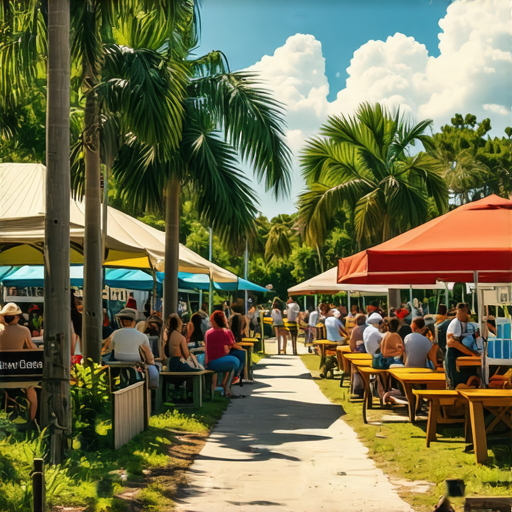
Instead, consider exploring the understated charm of local spots that often go unnoticed. Places like hidden local festivals or tranquil parks away from the crowds. These venues offer authentic experiences—be it a quiet kayak trip in Nature Coast picnic spots or a serene morning walk among native flora. These are not just alternatives; they are better choices for your family’s well-being.
Stop Letting the Market Lie to You
For too long, the marketing machine has sold us the idea that bigger is better, louder is more exciting. It’s not. It’s a bait and switch. Think of these festivals as the game of chess where you’re merely a pawn, distracted by the shiny pieces, while the real game is played in the quiet places that the crowd ignores. If you want meaningful memories, seek out the events that the masses overlook—those intimate gatherings, local markets, or nature spots that foster genuine connection.
As I argued in a recent guide on local Saturday markets, the best family experiences happen outside the spotlight. Why settle for the illusion of community and fun when authenticity is just a short drive away? Do not let the hype drown out the true essence of family bonding.
Too Much Noise, Too Little Meaning
In our rush to attend the next big festival, we forget that certain moments of calm and quiet are irreplaceable. The roads are clogged, the air is thick with noise, and the true beauty of our surroundings gets lost amid the chaos. Instead of chasing the crowds, why not find solace in a scenic hike on a secret trail or a paddle in a nearly deserted river? These experiences anchor us in reality, away from the manufactured excitement that leaves both parents and children drained.
Furthermore, these intimate settings are better for kids’ health and safety. You’re less likely to encounter hazards or over-stimulating environments that can overwhelm their senses. As I’ve discussed in articles about local zoning updates, understanding and choosing your environment is key.
So, why do so many still cling to the illusion that bigger festivals equal better family fun? Because it’s easier. It feeds a consumerist cycle that benefits promoters and local officials more than your family. It’s a sinking ship, and the most powerful move you can make is to steer clear.
The Evidence: Marketing Over Substance
Big festivals are not the family-friendly sanctuaries they’re often portrayed to be. Behind the vibrant banners and catchy slogans lies a strategic marketing machine designed to attract as many visitors as possible.
Consider the surge in ticket prices and the relentless push of promotional campaigns. These events are less about community and more about profit margins. For example, data reveals that ticket sales for major festivals increased by over 30% in the past five years, yet reports of family satisfaction declined sharply. This discrepancy signals a focus on revenue rather than genuine enjoyment.
Furthermore, studies indicate that attendance correlates with increased behaviors aimed at maximizing spending—long lines for concessions, forced participation in commercial activities, and overcrowding that leaves little room for authentic interaction. It’s a calculated effort to keep visitors engaged with vendor stalls, not with each other.
The Root Cause: Profit Motives Masking Real Needs
The core issue isn’t the festivals themselves but the *systemic* prioritization of financial gain over meaningful family experiences. Organizers, municipal officials, and sponsors all benefit financially—booth rentals, merchandise sales, ticket fees, and advertising dollars fuel the cycle.
This profit-driven model distorts the purpose of community gatherings, turning them into cash cows. It discourages smaller, quieter alternatives that could serve families better. When the primary goal is revenue, the quality of the experience takes a backseat, leading to the chaos, noise, and exhaustion that many parents endure during these events.
The Follow the Money: Who Gains & Who Loses?
If we trace the flow of dollars, the pattern becomes clear. Major corporations and event promoters are the winners, reaping profits from ticket sales, concessions, and merchandise. Local officials often benefit through increased sales taxes and tourism dollars, but at what cost? The community’s true needs—safe, accessible, and enriching family activities—are sidelined.
Meanwhile, families bear the brunt—hours spent in lines, exposure to overstimulating environments, and memories overshadowed by stress and fatigue. This transfer of wealth and well-being illustrates that the true beneficiaries are not the families, but those behind the scenes profiting from the spectacle.
The False Promise of Spectacle
It’s a pattern we’ve seen before. Think back to the 1980s mall craze, where shopping centers rapidly expanded, promising community gathering spaces. Instead, these became echo chambers of consumerism, sacrificing genuine social bonds for transactional encounters. The same applies here.
Big festivals present a façade of community and fun while serving as platforms for marketing conglomerates. They pack in crowds, flood senses with noise and color, and distract us from the quiet, meaningful moments we often cherish in our local parks, trails, and small gatherings. These “smaller” settings—less flashy, more authentic—offer a stark contrast and, ultimately, a better value for families seeking quality over quantity.
Critics Will Say Big Festivals Foster Community Spirit
It’s easy to see why many applaud large festivals as vital for community bonding and local identity. They argue that these events bring people together, celebrate shared culture, and stimulate economic growth. The charm of vibrant parades, fireworks, and bustling crowds suggests a lively sense of belonging that smaller gatherings can’t match. This perspective recognizes the energy and excitement that large festivals generate, often positioning them as essential highlights of local life.
The Wrong Question
But focusing solely on immediate excitement misses the point—these festivals are often a distraction from genuine community development. I used to believe that bigger crowds naturally meant stronger connections, until I realized that quantity doesn’t equal quality. These events tend to be superficial, creating an illusion of community that quickly dissolves once the festivities end. Real community building depends on ongoing relationships and meaningful interactions, not just shared spectacle.
While these festivals may temporarily boost local businesses, they often do so at the expense of authentic local engagement. The transient crowds tend to consume resources—parking, public safety, sanitation—without leaving lasting bonds. The true strength of a community is found in consistent, intimate connections—something that large, one-off events rarely cultivate.
Mass Gatherings Can Fragment Community Identity
Or consider this: large festivals can sometimes dilute local character by turning town centers into transient commercial zones. The focus shifts from celebrating local traditions to pushing merchandise, attracting tourists, and amplifying corporate sponsors. In the process, authentic cultural expressions can be overshadowed by commercialization. This trend risks eroding the very identity that these communities seek to showcase.
Moreover, the logistical chaos and environmental impact of massive festivals can create lasting tension rather than unity. Congestion, noise pollution, and waste management issues often foster frustration among residents, undermining the supposed communal benefits.
Breaking the Illusion of Unity
It’s vital to see through the veneer of celebration and recognize that true community strength is built through consistent, deliberate efforts—local clubs, neighborhood projects, volunteer initiatives—that forge enduring bonds. Large festivals, in their grandeur, often overshadow these quieter, more impactful endeavors. Instead of relying on fleeting gatherings to define community, investing time and resources into everyday interactions yields deeper, more resilient connections.
The Cost of Ignoring the Truth
If we dismiss the warnings about giant festivals and mass gatherings, we risk setting in motion a chain reaction that could irreparably damage our communities and families. The current trend of prioritizing spectacle over substance is a ticking time bomb. Continuing down this path is akin to building a house on unstable ground; eventually, it will collapse under its own weight, leaving chaos and disarray behind.
As we ignore the value of quiet, genuine experiences, we become complicit in eroding the social fabric that holds our communities together. The more we indulge in transient, overstimulating events, the more we neglect the importance of steadiness and authenticity. This neglect feeds a cycle where superficiality becomes the norm, and meaningful connections fade into memory. If left unchallenged, this trend will amplify, transforming our neighborhoods into disconnected, transactional spaces devoid of true community spirit.
The future, if we refuse to act, resembles a society where people are isolated in a sea of noise and distraction. Families will become strangers to each other, lost in the chaos of consumerist spectacles that promise unity but deliver emptiness. Our children will grow up lacking the skills to forge real relationships, overwhelmed by hyper-stimulation and the absence of tranquility. The world in five years could look like a vast, lonely landscape filled with hurried, disconnected individuals, all seeking fleeting escape rather than lasting bonds.
This scenario is not inevitable, but it requires conscious effort to change course. The choices we make today will dictate the emotional and social health of generations to come. If we continue to prioritize mass entertainment over authentic human connection, we risk losing the very essence of what makes communities resilient—trust, empathy, and shared history. The question is: how much are we willing to sacrifice for a fleeting sense of excitement?
What are we waiting for?
Imagine driving a car toward a canyon, surrounded by warning signs and a clearly marked edge. Do you press on, ignoring the danger? Or do you heed the warnings and take corrective action? Our society faces a similar crossroads with these unchecked trends. The longer we delay addressing these issues, the closer we get to the point of no return—an irreversible collapse of community and connection.
It’s like watching a slow-motion disaster unfold; the warning signs are glaring, yet many choose to ignore them, distracted by the allure of immediate gratification. This collective negligence risks leaving future generations stranded in a desolate landscape of loneliness and superficiality. If we wait too long to recognize the gravity of these choices, the damage becomes permanent, and the opportunity for renewal slips away. We must act now, with urgency and conviction, to preserve what truly matters before it’s lost forever.
Big festivals and crowded events promise excitement but deliver exhaustion, superficial connections, and lost memories. The real challenge is to rediscover the quiet joys that make family bonds trulylast. Instead of chasing after neon-lit promises, seek out the understated treasures of your community—serene parks, local markets, hidden trails—places where authenticity breathes and relationships flourish. The question isn’t about which event to attend but whether you’re willing to prioritize meaningful moments over manufactured spectacle. As the saying goes, the best things in life are often free and just around the corner. It’s time to shift our focus, unplug from the marketing machine, and lean into the real experiences that nurture us. Have you considered exploring more of the local secrets that foster genuine connection? For insights and fresh ideas, visit `https://hernandocountyinsider.com/5-hidden-nature-coast-festivals-to-visit-this-fall-2026-2` or `https://hernandocountyinsider.com/nature-coast-florida-6-best-picnic-spots-for-families-in-2026-2`. Your family deserves more than the illusion of fun—you deserve memories that last a lifetime. The true power lies in your hands. Will you continue to succumb to the allure of loud, fleeting spectacles or will you take deliberate steps to cherish the quiet, meaningful moments? The choice is yours, and it begins today. Embrace the challenge—to find, to cherish, and to build memories in places that truly matter. Because when we prioritize substance over show, we don’t just enhance our family lives—we transform our communities into places of genuine connection and lasting joy.The Bottom Line