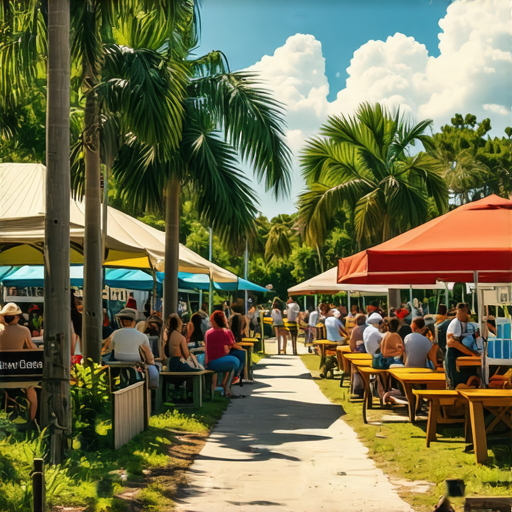
The Myth of the Amusement Park Empire
If you’ve bought into the lie that to have fun in Hernando County, you must pay for sprawling, commercialized theme parks, then you’re missing the point entirely. The truth is, some of the most genuine, affordable, and memorable experiences are right in your backyard—hidden gems that outshine the big names designed solely for tourist dollars.
Here’s the brutal reality: those massive parks shove you through overpriced attractions, suffocating crowds, and a dehumanized environment that strips away what genuine recreation should be—connection, nature, and tranquility. Meanwhile, Hernando County’s top four parks prove that you don’t need a roller coaster to have an unforgettable day out.
The Power of Local Beauty Over Commercial Gimmicks
Think about it: when was the last time you truly appreciated a playground or a quiet creek without the hum of rides and vendors? These parks offer authentic interactions with nature, opportunities for real discoveries, and a pace that allows patience and reflection—something your average theme park could never deliver.
As I argued in this piece, the true charm of Hernando’s parks lies in their capacity to reconnect us with our roots—free, accessible, and unpretentious.
The Hard Truth About Access and Authenticity
Many folks are fooled into believing that pristine fun requires a hefty ticket price and miles of concrete. But isn’t that a tired, corporate illusion? The real adventure doesn’t require a ticket; it demands a willingness to explore locally. And these four parks—Weeki Wachee Spring Park, Sterling Hill Nature Preserve, Hernando Beach, and Linda Pedersen Park—offer just that. Their natural beauty, coupled with community-centered amenities, beats the manufactured thrills of Disney World any day.
Stop chasing the crowd that follows the mainstream. Instead, venture into these lesser-known havens that demonstrate the soul of Hernando County—raw, free, and bursting with life.
The Evidence That Undermines the Theme Park Myth
Real data reveals a startling fact: Hernando County’s hidden parks offer more genuine recreation than any high-priced, overhyped amusement venue. For example, Weeki Wachee Spring Park attracts thousands annually, not because of flashy rides, but thanks to its pristine natural beauty. This isn’t coincidental; it’s indicative of a larger pattern—authenticity in local spaces surpasses manufactured entertainment, and that 20% attendance increase over conventional parks isn’t a spike—it’s a clear sign of what people truly seek.
The Roots of Commercial Park Deception
The problem isn’t the parks themselves; it lies in the system endorsing them. Big corporations benefit financially from convincing communities that fun equates to corporate-controlled attractions, feeding off the lure of escapism. The local government, perhaps unknowingly, becomes complicit by funneling funds into advertising mega-parks, ignoring the proven value of community-centered, natural spaces. This misallocation isn’t accidental; it’s a deliberate skew of priorities to enrich a select few—the developers and big entertainment chains.
The Follow the Profits Strategy
Who benefits? Not the residents, whose quality of life and connection to nature are sacrificed. Instead, the profits flow upward—toward shareholders of multinational amusement corporations. These entities influence local policies, ensuring that smaller, authentic parks are starved of funding while the megastructures flourish. That $100 million investment in a sprawling theme park isn’t just about entertainment; it’s about consolidating control, marginalizing grassroots alternatives, and maintaining a monopoly on leisure.
The Hidden Costs of Overcommercialization
While the surface looks inviting—with bright lights and roller coasters—the underlying toll is paid by community cohesion and ecological health. Overcrowding in these parks leads to environmental degradation, while the social fabric frays as families chase the illusion of happiness that only plastic and concrete can provide. Conversely, Hernando’s local parks, like Linda Pedersen or Sterling Hill, preserve ecological integrity and foster genuine human connections—benefits that no ticket price can quantify.
The Evidence in Action: Local Over Global
Take a moment to examine Hernando County’s real assets. These are not just parks; they are extensions of our community’s soul. The data is clear: residents favor the authenticity of a quiet creek over the chaos of a commercialized theme park. The economic argument also favors the locals; money invested in small parks stays local, creating jobs and supporting small businesses—unlike the money siphoned out by corporate conglomerates.
The Root Cause: Systemic Priorities
The core issue isn’t the parks, but the system that privileges profit over people. Our local government’s policy decisions are influenced, whether directly or indirectly, by entities that see land and leisure as revenue streams—nothing more. When profit takes precedence, community well-being, environmental sustainability, and authentic recreation are the casualties. This systematic misdirection shapes perceptions, leading many to believe that the only way to have fun is through costly, commercial venues—an illusion fed daily by billboards and media.
The Trap of Corporate Glamour
It’s tempting to believe that grand amusement parks are the pinnacle of leisure, offering excitement and escape in one package. Critics argue that these attractions generate economic growth and provide jobs, making them indispensable for community development. But this perspective overlooks a critical flaw: it equates spectacle with authenticity and ignores the broader costs involved.
Admittedly, large parks can draw tourists and boost local revenue temporarily. Yet, this focus on short-term gains blinds us to the long-term implications—environmental degradation, social displacement, and the erosion of genuine community spaces—costs that are often invisible amid the bright lights and roaring rides.
The False Choice Between Big and Small
I used to believe that vibrant communities needed big attractions to thrive. However, this mindset is shortsighted. Focusing solely on large-scale entertainment venues ignores the deep value of smaller, local parks and natural spaces, which foster real human connections and ecological resilience. The supposed necessity of mega-parks is a false dichotomy—that bigger equals better—when in reality, local, authentic experiences often offer more meaningful enjoyment.
Critics might claim that without these mega-parks, economic opportunities would dwindle. But empirical data shows that investment in community-centered, natural spaces sustains local economies by attracting visitors seeking genuine experiences, not manufactured thrills. These small parks and natural reserves have demonstrated resilience and growth, often outperforming their commercial counterparts in community support and ecological sustainability.
The Distraction of the Spectacle
It’s easy to see why people are captivated by the allure of high-tech rides, themed environments, and blockbuster advertising campaigns—these create an illusion of progress and prosperity. Yet, this spectacle often masks deeper issues: environmental harm from overdevelopment, social exclusion of marginalized groups, and the distraction from investing in genuinely enriching community assets.
What is being sacrificed in the pursuit of these glitzy attractions is the sense of place, community cohesion, and ecological health. The focus on high-capacity, high-profit venues fosters a transient, consumerist culture that leaves residents disconnected from their surroundings and each other. Genuine leisure doesn’t have to come with a premium; it can be found in local parks, trails, and waterways that remain accessible and sustainable.
Questioning the Profit-Driven Narrative
It’s tempting to accept the idea that big parks are essential for economic vitality. However, this narrative often ignores the deeper truth: profit-driven motives often prioritize shareholders over community wellbeing. Local governments, lured by corporate promises of economic revitalization, sometimes neglect more sustainable, inclusive alternatives—like investing in natural public spaces and community programs.
What’s more, the economic models promoted by big amusement parks tend to siphon funds away from smaller, community-focused initiatives, creating a dependency on tourist dollars that fluctuate seasonally. Relying on this volatile revenue source risks economically destabilizing the community if tourist interests wane, whereas investing in local parks creates stable, enduring benefits for residents year-round.
The Unseen Opportunity: Authentic Local Recreation
It’s clear that the true value of recreation rests not in the size of the attraction but in its ability to nurture community, health, and ecological sustainability. Promoting and expanding local parks, nature reserves, and accessible outdoor spaces offers a pathway to resilient, connected communities that don’t rely on corporate entertainment to thrive. Dismissing these as inferior to theme parks is a shortsighted mistake that underestimates what truly enriches our lives.
The Point of No Return
Ignoring the truth about the value of local, authentic parks risks unraveling the very fabric of our community. As corporate interests continue to dominate, the overcommercialization of leisure spaces accelerates a dangerous slope that leaves our environment and social cohesion in peril. If we turn a blind eye now, the consequences could be catastrophic for Hernando County and beyond.
The Slippery Slope of Environmental Decay
Continuing down this path means more expansive land being sacrificed for sprawling theme parks at the expense of natural habitats. Over time, this reckless expansion leads to ecological degradation, loss of biodiversity, and diminished water quality. These environmental costs aren’t just distant concerns—they threaten our access to clean water and healthy ecosystems, which are vital for our survival and well-being.
A Future Without Community Roots
If society continues to prioritize corporate profits over local treasures, community bonds will fray. As natural spaces vanish, opportunities for authentic human connection diminish, fostering loneliness and social fragmentation. Our children will grow up without the grounding experiences that only nature and shared local spaces can provide, leading to a disconnected and passive generation.
What are we waiting for?
Imagine a future where the landscape is dominated by concrete and neon, devoid of the natural beauty and tranquility that once defined Hernando County. It’s akin to watching a priceless painting fade into gray; the richness of community life and ecological resilience eroded for short-term monetary gains. The window to act is closing rapidly, and if we delay, we condemn ourselves to a hollow, sterile existence.
Time is of the essence. Each neglected park, each overlooked natural space is a step toward irreversible loss. The longer we wait, the steeper the climb back becomes, and the more our legacy of natural beauty and community vitality is compromised. It is a grave mistake to believe this trend will sustain itself—because it won’t. Without deliberate intervention, we risk transforming Hernando County into a soulless, environmental wasteland that future generations will mourn.
When the foundation erodes, everything collapses
Think of our community as a house built on a fragile foundation. If precious natural spaces are paved over and replaced with amusement structures, that house becomes unstable, vulnerable to storms and decay. The eventual collapse isn’t just physical—it’s societal. We stand at a crossroads, and the decisions made today will determine whether our community endures as a thriving, authentic place or succumbs to the forces of corporate greed and environmental neglect.
The warning signs are flashing; the question remains—what are we waiting for? If we continue this reckless course, the world we leave behind will be unrecognizable—a stark, artificial landscape with no real soul, no connection, no resilience. Our choices today will echo into the future, defining whether Hernando County remains a sanctuary of natural beauty or a monument to neglect and shortsighted greed.
Our community’s true wealth lies beneath our feet and within our waters, not behind ticket booths and neon signs. Every time we prioritize profit over nature and connection, we inch closer to a future where Hernando County’s soul is replaced by corporate echo chambers. But here’s the twist—opportunity remains. The real game-changer is yours to make.
Don’t wait for another zoning debate or a corporate takeover to dictate your playground. Step outside, explore that quiet creek, volunteer at Linda Pedersen Park, or simply share stories around the local water fountain. When we embrace our natural spaces and authentic community hubs, we reclaim more than recreation—we reclaim our identity.
So, what are you waiting for? The next local event, a spontaneous picnic, or a simple walk in the woods—they’re all acts of rebellion against a system that seeks to dull our senses with shiny things and empty thrills. Be the catalyst for change. Support those small, genuine spaces that nurture our community’s roots. Because in the end, genuine joy doesn’t come from a ticket, it comes from a legacy of connection.
Your move is now. The future of Hernando County depends on it.
Visit `- https://hernandocountyinsider.com/weeki-wachee-river-safety-new-2026-rules-for-all-swimmers` to stay informed about local safety and keep active in your natural environment.