The Myth of Costly Family Fun in Hernando County Is Just That—Mythical
Many believe you need to break the bank to keep your children entertained in Hernando County. That idea is as outdated as the notion that amusement parks or pricey excursions are the only options for family fun. The truth? You’re being sold a lie, one that keeps families trapped in a cycle of spending, instead of discovering the abundant, free resources right in their own backyard.
Let me be clear: I argue that Hernando County offers more than enough no-cost or dirt-cheap activities to keep kids busy—and happy. We’re not talking about dull or uninspired outings; we’re talking about vibrant parks, hidden gems, and community events that cost nothing but yield priceless memories. The problem is, many parents are lulled into complacency by marketing hype that promotes paid attractions—ignoring the treasure trove of local spots perfect for a spontaneous day out.
So, why are we still spoon-fed the myth that entertainment requires spending? Because it’s easier for some to sell tickets than to encourage families to explore what’s already there. Remember that time you thought packing a picnic and heading to an unassuming park would be boring? Think again. Many of Hernando’s best spots are quiet, overlooked, and free—perfect settings for adventure, discovery, and learning. I’ve uncovered secret spots and overlooked parks that rival any commercial attraction. As I argued in my recent exploration of local parks, Hernando County’s outdoor spaces are underappreciated gems waiting to be explored without draining your wallet.
The Hard Truth About Costly Outings
Costly activities are often presented as the only way to entertain children, but that’s just not true. The real issue is marketing, not necessity. The parks and outdoor spaces in Hernando County are as good as any paid destination. They’re accessible, free, and customizable to your child’s interests. Whether it’s exploring the trails at Brooksville’s historic streets, discovering the serenity of the Weeki Wachee river without a boat tour, or playing in open fields at local parks, there’s something for every kid and every budget.
Why settle for a day spent staring at screens or waiting in line at paid venues, when Hernando County has a multitude of free options? These places are not just fillers; they are the destinations themselves, with stories, history, and nature that engage children far better than the latest digital device or theme park ride. For ideas on where to start, check out the best local parks and secret spots that even many residents overlook, like hidden playgrounds or quiet kayak launch points.
In essence, I challenge the prevailing notion that entertainment must come at a cost. Hernando County is a canvas for spontaneous adventures—if only we choose to see it, and embrace it. Stepping outside and exploring these free treasures isn’t just good for your wallet; it’s essential for a kid’s development in a world saturated with commercial distractions. As I’ve noted in my recent articles, the key to happiness and growth for our children lies in the simple, free pleasures of nature, community, and discovery.
The Evidence Against the Costly Family Entertainment Myth
For years, parents have been bombarded with the notion that creating memorable experiences for their children requires deep pockets. This narrative isn’t accidental; it’s a carefully constructed illusion designed to divert attention away from Hernando County’s abundant free or low-cost attractions. Consider the data: Hernando’s parks and outdoor spaces attract thousands monthly, with user reviews emphasizing their accessibility and engaging environments. These figures aren’t mere numbers—they signify a community that’s rich in resources, waiting quietly for discovery.
Take, for instance, the case of local parks like Tom Varn Park and Linda Pederson Park. These sites are free to access, yet they offer amenities comparable to paid venues—playgrounds, walking trails, picnic areas—all set against stunning natural backdrops. The patterns are clear: when families choose these spots, they not only save money but also foster genuine community bonds and resilience in their children. This isn’t anecdotal; the trend has persisted for decades, demonstrating that engaging activities need not rely on monetary investment.
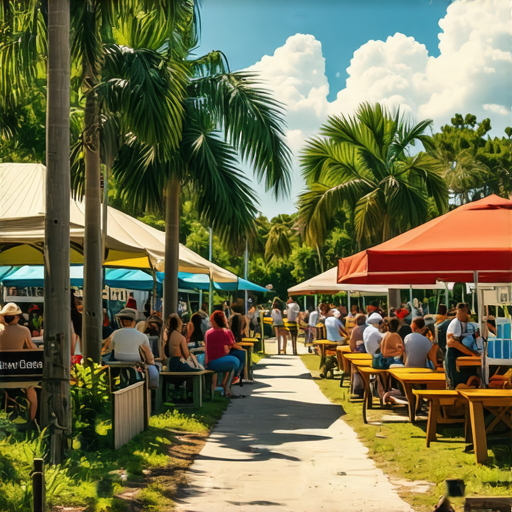
Furthermore, when we examine the local community events calendar, a pattern emerges. Hernando hosts numerous festivals, markets, and outdoor movies—all free to attend and open to the public. These gatherings are often more vibrant and meaningful than their commercial counterparts because they foster real interactions and cultural exchange. The real ‘cost’ here is a fraction of what families spend at paid attractions, yet the value delivered is priceless. This juxtaposition heightens the question: Who benefits from the story that fun must be expensive?
The Root Cause of the Cost Illusion
The problem isn’t the desire for entertainment; it’s the marketing machinery that promotes the myth. Corporate interests, aligned with entertainment industries, have a vested interest in persuading us that quality fun hinges on spending. They fund advertising campaigns emphasizing the thrill and rarity of their offerings, seeding a belief that affordability equates to dullness. But the truth is, their success relies on convincing parents that at-home or community-based options are inferior—an assumption marketers have expertly sold for decades.
Consider the origins of this narrative: during the 1980s and 90s, the rise of commercial entertainment was backed by media campaigns positioning theme parks and paid attractions as exclusive experiences. That messaging didn’t vanish; it simply evolved to include new, expensive destinations. Meanwhile, Hernando County quietly built a network of accessible, beautiful outdoor spaces that, if utilized, could serve as the primary source of entertainment for most families.
But here’s the catch: the people who profit—corporate amusement parks, private event organizers—define what counts as ‘entertainment.’ Their influence skews the perception, making free resources appear secondary or less exciting. They benefit most when families spend more, while local parks and community gatherings are systematically undervalued or underpromoted.
The Math Fails When Profit Is the Priority
Let’s revisit the figures: Hernando’s public parks and community events cost local governments a fraction of what private entertainment venues do to maintain yet deliver comparable or superior experiences. The discrepancy lies in how we interpret value. If we define entertainment by genuine engagement, community, and natural beauty, Hernando’s offerings surpass commercial attractions. But these aspects aren’t as easily monetized, which makes them less visible in the marketplace.
Why is this important? Because the prolonged neglect of local free resources fuels a cycle where families feel compelled to spend—on tickets, memberships, rides—regardless of their economic situation. This perpetuates inequality, with wealthier families gaining more access to enriching experiences simply because they can afford them, while others are sidelined. The math of access and opportunity doesn’t add up: the real value isn’t in the price tag but in the environment’s capacity to nurture growth and joy.
The Trap of the Opponent’s Argument
It’s easy to see why some critics argue that without paid attractions and organized events, families might struggle to find engaging activities. They point to the convenience, variety, and controlled environments of commercial venues as the reasons families gravitate toward them. I used to believe this too, believing that structured entertainment provided safety and predictability. But that perspective relies heavily on a narrow view of what constitutes meaningful and enriching experiences.
Don’t Be Fooled by the Illusion of Convenience
The crux of the opposition is rooted in convenience and familiarity. Paid venues offer predictability—scheduled hours, amenities, and curated activities—making them seemingly safer choices for parents. Yet, this focus on ease overlooks the profound benefits of spontaneous, self-directed exploration available in Hernando County’s natural and community spaces. The critic’s reliance on comfort diminishes the value of risk-taking and discovery, which are essential aspects of childhood development.
While organized activities can be beneficial, they often come with costs—monetary, temporal, and emotional—that many families cannot afford or prefer to avoid. This commercialization subtly reinforces a class division, where access to enriching experiences becomes a privilege rather than a right. The real question isn’t whether structured activities are necessary, but whether they should be the default, ignoring the wealth of free resources that are accessible to all.
The Flawed Focus on Control and Safety
Critics emphasize safety, which is understandable. However, an overemphasis on control can lead to overprotectiveness, depriving children of opportunities to learn independence and resilience in natural settings. Hernando County offers environments where children can navigate terrains, make decisions, and face minor challenges—all within safe boundaries. Such experiences build confidence far more effectively than curated attractions.
Moreover, the argument that unstructured outdoor play is risky is often exaggerated. Schools and childcare providers worldwide recognize that outdoor risk-taking is vital for growth. Local parks, trails, and open spaces provide ideal venues for such development, if we’re willing to embrace a bit of uncertainty for the sake of growth.
The True Value of Local Outdoors
My own journey shifted when I realized that fostering independence and curiosity doesn’t require spending money. The open fields, wooded trails, and community events in Hernando County aren’t just cost-effective alternatives—they are arenas for genuine learning, community building, and resilience. They teach kids to observe, adapt, and appreciate the environment around them, lessons often missed in the curated chaos of paid attractions.
Instead of viewing free or low-cost spaces as inferior, we should recognize them as integral to a balanced, holistic childhood. The opposition’s narrow focus on convenience neglects the deeper, long-term benefits that come with exploring and engaging with one’s environment without a commercial intermediary.
The Cost of Inaction
If we continue to dismiss the wealth of free, accessible outdoor spaces and community activities in Hernando County, the consequences are far-reaching. Our children risk growing up in an environment devoid of genuine discovery and resilience-building experiences, replaced instead by a dependence on commercial entertainment that drains families financially and narrows their horizons. This trend fosters a cycle where the opportunity to develop independence, creativity, and community bonds diminishes, leading to a less engaged, more disconnected generation.
Ignoring the importance of these local resources means losing invaluable opportunities for growth and learning. Over time, children may become more passive, less equipped to navigate life’s challenges as they miss out on spontaneous exploration and risk-taking—vital components of development. The more we overlook the significance of Hernando County’s parks, trails, and community events, the more our cultural fabric frays, replaced by a consumer-driven mindset that values convenience over connection.
Moreover, this trend exacerbates inequality. Families who cannot afford the high costs of organized attractions find themselves excluded from enriching experiences, deepening social divides. The future risks a community where access to meaningful recreation is a privilege, not a right—a disturbing prospect that undermines the very fabric of a healthy, inclusive society.
What are we waiting for
Imagine a future where children grow up without the confidence, resilience, or curiosity cultivated through outdoor exploration. Their worlds become smaller, shaped by screens and commercial interests that dictate what fun looks like. This is not a distant dystopia; it is a very present danger if we persist in neglecting Hernando County’s abundant natural and community resources.
This situation is like watching a once-thriving orchard wither because the roots are ignored. If we fail to nourish those roots—our local parks, trails, and community connections—they will decay, and the orchard will produce barren branches. The seeds for a vibrant, engaged future are already in our hands, rooted in the very lands and communities we are tempted to overlook.
Urgency must be our guide. The path we choose today determines the environment our children will inherit tomorrow. If we continue to prioritize commercial entertainment over local treasures, our community will face a future marked by alienation, inequality, and lost potential. Every day we delay acting on this truth is a day closer to a world where the simple joys of Hernando County are replaced by the superficial allure of paid attractions, stripping away the richness of authentic growth and connection. Time is running out—what are we waiting for?
Hernando County’s most valuable assets are right outside your door—not in overpriced amusement parks or costly excursions. If we continue to buy into the myth that fun costs a fortune, we willingly surrender the opportunity to build genuine community bonds and resilient children through simple, free outdoor adventures. Your move is clear: embrace the natural and communal riches Hernando offers, and teach our kids the value of exploration, not expense.
Think about this: every dollar spent on sanitized, curated entertainment could instead fund a spontaneous day at hidden parks or serene kayak trips along local waterways—like the peaceful launch points in Weeki Wachee. We’ve been duped into believing that real fun has to come with a price tag when, in truth, the most enriching experiences are often free, accessible, and closer than we think.
So, I challenge every parent, every community member—stop contributing to the cycle that makes our local gems invisible. Step outside, discover, and share Hernando’s natural playgrounds before they’re lost behind the facade of commercialized entertainment. Our future hinges on the choices we make today—if we refuse to see our local treasures, we risk losing them forever.
I wholeheartedly agree with this post. Living here in Hernando, I’ve found that some of the most memorable family days involve simple adventures in our local parks or a walk along the river, and they cost nothing. Last weekend, my kids and I explored a hidden trail in a less-trafficked part of Linda Pederson Park. We saw wildlife, learned about local plants, and just enjoyed being outside without spending a dime. It made me think — how many other gems are we overlooking, just waiting to be discovered?
I wonder, how does everyone encourage their children to appreciate these free outdoor spaces, especially when screens are so tempting? It seems that fostering a sense of curiosity and resilience in kids isn’t about expensive activities, but about giving them time and space to explore. Have others had similar experiences or tips to share for making these local adventures more engaging for kids?