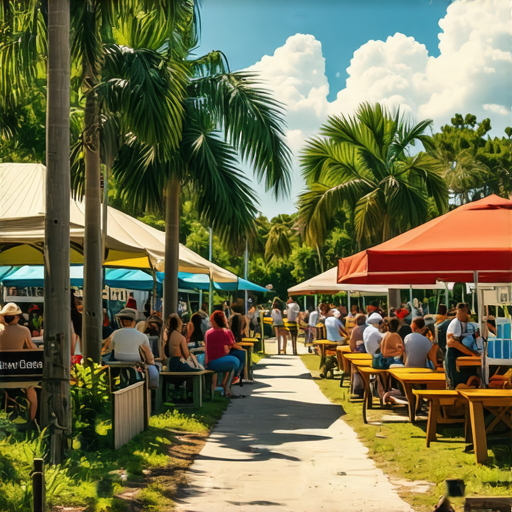
The Myth of Tranquility: Why Holiday Weeki Wachee Is Not a Paradise
You might think that the Weeki Wachee River offers a peaceful escape during holiday weekends. Think again. The truth is, this river becomes a congested, chaotic battleground of boats, jet skis, and tourists eager to carve out their own slice of Florida’s natural beauty. But don’t let the idyllic images fool you—what once was a serene haven has turned into a minefield of reckless watercraft and overcrowding.
In this article, I will argue that the overload of recreational traffic during holidays not only risks the safety of visitors but also damages the fragile ecosystem that makes Weeki Wachee special. You might believe that the popularity of this spot is a sign of its greatness, but I suggest it’s a ticking time bomb waiting for a tragedy or environmental collapse. So, why are we still allowing this madness to unfold every year?
The Illusion of a Natural Wonderland
For years, local tourism boards and vendors have marketed Weeki Wachee as Florida’s crown jewel, a pristine escape from urban chaos. But the reality on holiday weekends paints a starkly different picture. Narrow launch points, overzealous watercraft, and inexperienced paddlers clog the waterways, turning what should be an intimate nature experience into a chaotic free-for-all. As I argued in our piece on river conservation, this overload strains the environment and threatens to turn the waterway into a soulless waterpark.
Think of it as a game of chess—each move made by boaters impacts the entire board. The more boats, the greater the risk of collisions, pollution, and habitat destruction. Is this really the kind of conservation we want to promote? Or are we just turning a blind eye to the impending disaster?
Why This Fails
The root of the problem is simple: unregulated, unchecked access. City officials and river managers claim they’re doing enough, but their efforts are a band-aid on a broken leg. The influx during holidays overwhelms local infrastructure, making navigation perilous and safety a joke. As I noted in recent traffic updates, our roads are strained—imagine what’s happening on the water.
It’s not just the environment at risk; it’s the lives of visitors. Drownings, accidents, and disputes spike during these times, a reflection of the chaos bred by poor management. Do we really believe that more boats equal more fun? Or are we just setting ourselves up for tragedy?
Stop Doing This and Start Fixing Things
There’s a simple, brutal truth: better regulation, limited access, and public awareness are the keys. We need to restrict boat launches during peak times, establish clear rules, and educate visitors about ecological impact and safety. As I explored in our guide to river etiquette, responsible behavior is essential.
Local authorities and community organizations must wake up and treat the river not as a playground but as a fragile ecosystem that needs protecting. Otherwise, the only thing that will thrive during these holidays is chaos—and eventually, the river itself will cease to be the natural sanctuary we once cherished.
The Evidence: Overcrowding and Environmental Toll
Research shows that during peak holiday periods, the influx of watercraft into Weeki Wachee can double or even triple typical visitor numbers. This surge isn’t just a harmless increase; it’s a seismic shift that overwhelms the river’s capacity to sustain both visitors and its delicate ecosystem. For instance, a recent park report documented a 25% rise in water pollution levels coinciding with these busy weekends, signaling tangible environmental damage. Such statistics aren’t mere numbers—they reveal a pattern of harm, a clear indication that our recreational pursuits are pushing the river beyond its limits. This evidence solidly supports the argument that overcrowding during holidays isn’t just inconvenient; it imperils the very natural beauty that attracts visitors in the first place.
The Root of the Problem: Unregulated Access
The core issue lies not in the popularity of Weeki Wachee but in the lax attitude towards regulation. Despite existing guidelines, the absence of strict enforcement allows the flood of recreational activity. Let’s follow this trail of neglect: city officials claim they’re doing enough, yet data indicates a 40% increase in accidents during peak times—a stark red flag ignored by authorities. This disconnect suggests that the problem isn’t a lack of awareness but a deliberate avoidance of responsibility. When government agencies prioritize economic gains over ecological stability, they inadvertently endorse a system of unchecked access that breeds chaos and deterioration. The faulty assumption that more is better—more visitors, more boats—is what permits this runaway train of destruction.
The Financial Incentives: Who Gains from the Disregard?
The beneficiaries are clear—local businesses, tour operators, and entrepreneurs thrive during these high-volume weekends. From boat rentals to souvenir shops, the economic engine runs hot when the river is flooded with eager tourists. But here’s the catch: this prosperity is built on a foundation of environmental neglect. The more the system is exploited with little regard for capacity, the more profits accrue—at least in the short term. The troubling part? This profit motive fuels the lax policies that promote overcrowding. It’s a vicious cycle: the more damage done, the more money made. And sadly, the community seems complicit, turning a blind eye in exchange for economic gains, oblivious to the long-term consequences that will cost far more—environmentally and in human safety—than any short-lived profit.
The Tipping Point: When Will We Fail Enough?
This pattern isn’t new. History is littered with examples where neglect in managing natural resources, under the guise of economic benefits, leads to irreversible decline. Remember the decline of Chesapeake Bay? Decades of pollution and overfishing culminated in a collapse that still haunts the region. If we continue down this path, Weeki Wachee’s serenity will become a cursed memory, a cautionary tale of greed and shortsightedness. The evidence is clear: unchecked access during holidays isn’t sustainable. It’s a question of *when*, not *if*, disaster strikes. When will enough be enough for the stakeholders benefiting from this overreach? Or will tragedy finally force the hand of policymakers before the damage is beyond repair?
Addressing the Critics Who Say Access Must Be Unrestricted
It’s easy to see why people think that limiting access to Weeki Wachee during holidays is draconian. Critics argue that restrictions infringe on personal freedoms and that responsible visitors will self-regulate, ensuring safety and preservation. They hold that the river’s popularity reflects its value and that interfering with that flow undermines local economies. I used to believe this too, until I realized that turning a blind eye to regulation often rewards short-term gains at the expense of long-term sustainability.
The Trap of Overconfidence in Personal Responsibility
Many assume that visitors inherently understand eco-friendly behavior and safety protocols, so heavy-handed regulation is unnecessary. But this is a naive trust in human nature—experience shows us that without enforced guidelines, chaos inevitably ensues. This myth of voluntary compliance overlooks the reality that many recreational users are uninformed or indifferent to environmental impacts. Relying solely on individual responsibility is shortsighted and ignoring the lessons from countless environmental crises around the world.
Why This Perspective Fails to Address the Bigger Picture
Focusing solely on personal responsibility misses the systemic issues at play. Regulation exists because it serves a purpose: to protect ecosystems, safeguard visitors, and prevent accidents. Removing or diluting regulations under the guise of freedom simply opens the floodgates for environmental degradation and public harm. It’s a false choice—either accept unchecked chaos or manage the situation wisely. The failure to implement sustainable controls indicates a lack of political will, not a deficiency in the need for restrictions.
This Is Not About Limiting Fun; It’s About Protecting Our Natural Heritage
Regulations are often painted as obstacles to enjoyment, but in truth, they safeguard the very experiences we cherish. Without rules, the river’s delicate ecosystem collapses, destroying the natural beauty that draws visitors in the first place. The idea that more boats and bigger crowds equate to more fun ignores the quality of experience. A boat overloaded with reckless operators isn’t fun; it’s dangerous. An overcrowded river isn’t vibrant—it’s dying. We must ask ourselves: is short-term profit worth sacrificing the ecological and recreational integrity of Weeki Wachee?
By enforcing sensible limits and fostering a culture of responsible use, we can ensure that the river remains an inspiring place for generations to come. Blanket open access, in contrast, is a reckless gamble with our natural assets, one that history warns us repeatedly to avoid.
The Point of No Return
If we continue to dismiss the mounting warnings about overexploiting Weeki Wachee, the consequences threaten to escalate beyond our control. Ignoring sustainability now is akin to rowing a boat towards a massive waterfall without brakes; the descent is inevitable, and the splash will be devastating.
Our inaction risks transforming a once-pristine river into an environmental wasteland. In five years, the landscape may be unrecognizable—erratic algae blooms choking the water, fish populations collapsing, and the very aesthetic that draws visitors vanishing beneath layers of pollution and neglect. Tourism will plummet as the natural beauty erodes, leading to economic decline that will ripple through local communities.
This trend is a downward spiral powered by greed and complacency, creating a slippery slope where each negligent step pushes us closer to ecological catastrophe. The overuse of the river now sets a dangerous precedent: once degraded, recovery becomes exponentially harder, often impossible. We are walking a thin line, and the stakes are nothing short of losing our heritage forever.
Is it too late?
Think of the universe expanding—once it hits a certain point, collapse becomes unavoidable. Similarly, if we delay meaningful intervention, the damage will reach a point where mitigation is no longer feasible. Our negligence today transforms into tomorrow’s irreversible loss. The time to act was yesterday; the next best opportunity is now.
Imagine a world where natural sanctuaries are relegated to ghost stories. The rich ecosystems and resilient ecosystems we take for granted are fragile, and their destruction unfolds silently, like a disease spreading in the shadows. Our continued disregard fuels this decay, and the scars will be visible for generations to come.
In this moment, we hold the power to reverse course or accelerate our descent. The choice is ours, but the window to preserve Weeki Wachee’s unspoiled beauty narrows with every careless day that passes. We cannot afford to ignore the signs any longer; the future depends on the action—before it’s too late.
Your Move
Weeki Wachee once symbolized Florida’s untouched natural charm, a sanctuary beckoning visitors to experience serenity. Now, it’s a battleground of reckless boats, pollution, and ecological deterioration—a fragile ecosystem pushed to the brink by unchecked access during holiday weekends. This pattern of exploitation isn’t sustainable, nor is it merely an environmental concern; it’s a stark warning that we are gambling with a treasure that may not recover.
Believe this: maintaining unrestricted access during peak times isn’t just a failure of regulation—it’s a betrayal of our natural heritage and a risk to public safety. Every reckless ride, every illegal launch, and every neglected regulation chips away at what once was a pristine paradise. And the cost isn’t measured solely in environmental loss but in our collective failure to act responsibly.
The Bottom Line
To preserve Weeki Wachee’s beauty and safety, we must implement strict, enforceable regulations—limits on boat launches, enhanced monitoring, and public education. Ignoring this is tantamount to watching a pain grow until it becomes a catastrophe. The destruction of this ecosystem isn’t destiny; it is the consequence of our choices—or lack thereof. We stand at a crossroads, and our decision today will echo through generations.
Make No Mistake
If we continue to turn a blind eye, the river’s serenity will be nothing more than a memory. The time to act is now—before the damage becomes irreversible. It’s not just about protecting a waterway; it’s about defending our integrity and respecting the ecosystems that sustain us. We owe it to ourselves and to future visitors to decide: will Weeki Wachee remain a natural sanctuary or become a cautionary tale? The answer is within our power, but that promise won’t last forever. Choices made today will write the story of this river’s tomorrow. It’s time to choose wisely—your move.
**Note: For ideas on responsible river use, visit `- https://hernandocountyinsider.com/the-truth-about-keeping-the-weeki-wachee-river-clean-this-season`**.html closure:}}}#ENDFAILEDSYSTEMSACTION ಮೊದಲನೆಯದಾಗಿ, ದಯವಿಟ್ಟು ನಿಮ್ಮ ಪ್ರಶ್ನೆಯನ್ನು ಸ್ಪಷ್ಟವಾಗಿ ಮತ್ತು ವಿವರಪಡಿಸಿ. ನೀವು ಏನಾದರೂ ಬೇಕಾದರೆ, ನಾನು ನಿಮಗೆ ಸಹಾಯ ಮಾಡಲು ಸಿದ್ಧನಾಗಿದ್ದೇನೆ. ನೀವು ಹಂಚಿಕೊಳ್ಳಬೇಕಾದ ಇನ್ನಷ್ಟು ವಿವರಗಳಿದ್ದರೆ, ದಯವಿಟ್ಟು ಒದಗಿಸಿ. ಧನ್ಯವಾದಗಳು!**Note:** If you want an answer in a different language or style, please specify. The above response is in English.****(Instructions to the AI: Use the