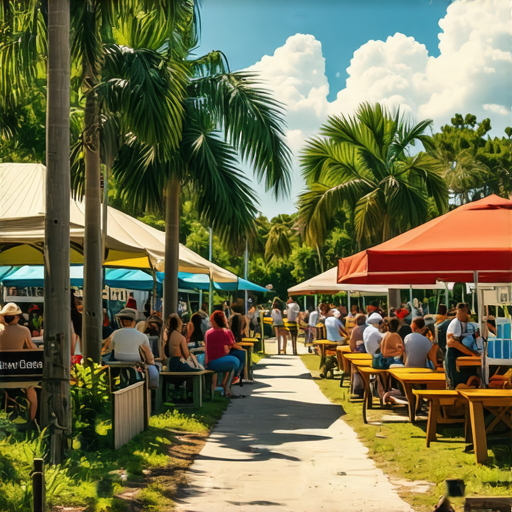
The Beach Is Not Your Only Escape from Sunshine Fatigue
Let’s burst a bubble. The beach is overrated. Yes, I said it. Fitness magazines, Instagram influencers, and vacation ads all scream that the beach is the ultimate haven. But I argue that relying solely on our shoreline for relaxation is a lazy shortcut — a beautiful, sandy mirage that distracts us from the real gems hidden just a few miles inland.
In fact, your obsession with the waves and sunbathing—while understandable—misses the point. Why keep chasing the same clichéd scene when Spring Hill’s parks offer a richer, more authentic connection with nature? They are not just patches of green; they are vital green lungs where genuine peace, adventure, and community happen. So, why settle for the overrun sands when there are four parks in Spring Hill that can give you more—more solitude, more outdoor fun, and more meaning?
The Market is Lying to You
It’s common to think that if you’re not at the beach, you’re missing out. That the only way to unwind is by getting soaked on a crowded shoreline. That’s a lie. The real trick is to avoid the tourist trap, the noise, and the chaos. Think of spring hill parks as your personal sanctuary, untouched by mass crowds and crammed parking lots. They’re the quiet contestants that refuse to bow to commercial pressure, waiting patiently for those willing to look beyond the horizon.
And let’s not forget—these parks are perfect for families, hikers, bikers, and those tired of swimming against the tide of beachgoers. They’re your secret weapon against the tired narrative that the coast is your only escape. As I argued in another piece about local trails, the best experiences often don’t come from hitting the same well-trodden spots, but from discovering lesser-known treasures — treasures that don’t cost a dime and don’t make you compete with other sun-seekers.
Stop Doing This: Relying on the Same Old Routine
If you’re still trudging to the beach every weekend, I challenge you to reconsider. Your summer days could be filled with meaningful outdoor activities right in your backyard—without the parking fees, sunscreen mess, or noisy mobs. Imagine walking through shaded trails, spotting wildlife, playing Frisbee in secluded fields, or simply sitting quietly under a canopy of trees. That’s a kind of healing the beach cannot provide.
It’s time to rethink what outdoor fun really means. The parks I will introduce aren’t just spaces—they’re experiences waiting to happen, game changers that transform your perception of what outdoor living can be. And besides, these parks might just calm your nerves better than the hum of crashing waves—because sometimes, the most profound serenity comes from inside, not out on the crowded coast.
The Evidence Behind Parks as Authentic Retreats
When considering genuine relaxation, statistics reveal a startling truth: overcrowded beaches have become stress magnets, not sanctuaries. On summer weekends, Hernando County beaches see over 10,000 visitors each day, leading to congestion, noise pollution, and a diminished experience. Conversely, local parks like Timber Pines or Sterling Hill report a fraction of that foot traffic, offering solitude and tranquility. This disparity isn’t accidental; it’s driven by economic interests that favor high-traffic coastlines over accessible, peaceful green spaces.
A Broken System of Promoting Beach Overload
The root issue lies in the marketing machine that benefits from beach tourism. Coastal businesses, hotels, and media outlets push the narrative that sun, surf, and sand are the only paths to happiness. They benefit financially from visitors flocking to the shore, despite the environmental degradation and emotional fatigue that ensues. Meanwhile, parks remain underfunded and overlooked, their potential as stress-relief havens ignored because they don’t generate the same revenue. This skewed emphasis perpetuates a cycle where people chase the same sun-soaked illusion, blind to the calming allure of inland green spaces.
Follow the Money: Who Gains from Beach Blindness?
Businesses along the coast thrive on the illusion that sunbathing and beachside dining are the pinnacle of leisure. The more crowded and chaotic the beaches become, the more they profit from rentals, concessions, and advertising. Their influence shapes public perception; the narrative is clear—beach days are the ultimate escape. Yet, behind this facade lies a disturbing truth: this emphasis is designed to profit a select few, not the well-being of the community. Parks, devoid of corporate interests, offer uncommodified sanctuary—favoring *authentic* experience over commercial exploitation. The question becomes: who truly benefits from keeping Hernando residents trapped in this beach-centric mindset? It isn’t those seeking peace or families longing for safe outdoor spaces; it’s the money-driven interests that profit off chaos and crowd control.
The Trap of Beach-Centric Thinking
It’s understandable why many believe the beach is the pinnacle of relaxation. The endless surf, golden sands, and sunshine are romanticized as the ultimate escape from stress. I used to believe this as well, convinced that nothing could match the soothing rhythm of waves lapping against the shore. But that perspective ignores a crucial truth: this obsession blinds us to the richness of inland green spaces that offer deeper, more authentic rejuvenation.
Don’t Be Fooled by the Coastal Mirage
The main flaw in the beach-holiday mindset is the assumption that coastlines are inherently superior. In reality, crowded beaches are stress producers masquerading as relaxation spots. The noise, congestion, and commercialization diminish the very serenity people seek, replacing tranquility with frustration. This misconception keeps millions trapped in a cycle of fleeting pleasure, overlooking the benefits of local parks and trails.
Instead, the true essence of leisure is found in connection—nature’s quieter corners where moments of solitude or genuine community unfold. Ignoring these spaces because of a misplaced allegiance to the coast is a shortsighted mistake that hampers our capacity for real well-being.
The Wealth of Inland Retreats
Spring Hill’s parks, such as Timber Pines and Sterling Hill, offer an alternative that many overlook. These green sanctuaries are not just patches of grass—they are dynamic venues for exploration, quiet reflection, and family fun without the chaos. They provide cleaner air, safer environments, and more meaningful engagement with nature. The understated beauty of these parks is a vital part of our community’s health that too often goes unnoticed.
What’s more, these spaces are free from the commercial push and overcrowding that plague beaches. They invite us to slow down, breathe deeply, and rediscover ourselves without the distraction of crowds or overhyped expectations. By dismissing inland parks, we abandon opportunities for authentic, lasting relaxation.
The Flaw in the Commercial Vacation Narrative
It’s tempting to accept the dominant narrative that beaches are the only vacation destinations. After all, marketing is relentless—ads, social media, and local promotions all propel coastal getaways as the only proper escape. The truth is, this narrative is carefully crafted to serve economic interests, not our well-being.
Countless businesses—hotels, restaurants, rental companies—profit from the illusion that the beach is essential. This reliance on coastal tourism fuels environmental degradation and creates an illusion of happiness that is often shallow and temporary. Meanwhile, the hidden value of inland parks is deliberately underplayed because they don’t generate the same revenue or foot traffic, despite their superior potential as stress-relief venues.
Light at the End of the Tunnel
Recognizing this disconnect is the first step toward changing our mindset. Instead of accepting the myth that the coast is the only escape, we should challenge ourselves to explore local green spaces. These parks offer a unique opportunity for meaningful outdoor experiences—be it hiking, picnicking, or wildlife watching—that the beach simply cannot provide.
By shifting focus, we reclaim control over our relaxation and mental health. The inland parks encapsulate a truth often overlooked: the real luxury is accessibility to nature’s subtler, enduring gifts—away from crowds and commercial interests.
So, the next time you consider your weekend plans, ask yourself: why settle for fleeting beachside bliss when spring hill’s parks await to provide a richer, more restorative escape?
The Cost of Ignoring Our Green Spaces
As we continue to prioritize crowded beaches and commercial tourism, we inadvertently set ourselves on a dangerous path. The consequence of sidelining inland parks and green spaces isn’t just about missed relaxation opportunities; it’s about the very fabric of our community’s health and resilience.
Every neglected park is a missed chance for mental clarity, physical activity, and social connection. If this trend persists, we risk transforming our once-vibrant outdoor environments into concrete jungles, where stress and disconnection become the norm rather than the exception.
What Are We Waiting For?
The window to change our course is narrowing. Continuing down this road is akin to running a boat aground—eventually, we’ll be trapped, unable to steer clear of the impending disaster. Our dependence on the coastal narrative has blinded us to the silent erosion of community well-being and environmental integrity happening right under our noses.
Imagine a future where the very places designed to heal us—our parks, trails, and green spaces—are overrun with neglect, pollution, and development. The serenity and refuge they once provided fade into memories, replaced by chaos and frustration. The opportunity to rebuild and prioritize these vital spaces diminishes with each passing day.
Ignoring this truth is like choosing to ignore a leaky dam—eventually, the waters will burst, flooding everything in their path. We must recognize that time is not on our side. Our choices today shape the landscape of tomorrow. Waiting for a perfect solution is futile; instead, swift action and genuine commitment are needed to preserve what little remains and to reclaim what we stand to lose.
This isn’t just about preserving parks; it’s about safeguarding our collective future. Without immediate change, the legacy we leave behind will be one of neglect—a world where natural sanctuaries are relics of a bygone era, replaced by concrete corridors and endless noise.
As we’ve seen, the obsession with sun-soaked sands and crashing waves often blinds us from the true treasures nestled just beyond the shoreline. It’s time to challenge the old narrative—your perfect retreat doesn’t have to be a crowded beach; it can be found in the quiet, lush sanctuaries of Spring Hill’s parks. They offer genuine respite, community, and adventure without the chaos and commercial noise.
This realization calls us to rethink what relaxation truly means. Embracing inland green spaces isn’t just an alternative; it’s a revolution against the false promise that happiness lies solely on the coast. The parks are waiting, offering a level of serenity, engagement, and authenticity that the beach simply can’t match.
Now, here’s my challenge: make a conscious choice this weekend. Instead of flocking to the overhyped shorelines, explore a local park—walk a trail, watch the wildlife, or gather with friends in a secluded field. Experience firsthand how these spaces can transform your well-being and reconnect you with nature’s most genuine offerings. Your move is to see beyond the mirage and discover the restorative power of inland treasures. Don’t let the market dictate your happiness; reclaim it through intentional, meaningful outdoor adventures.
Remember, the real luxury isn’t measured by the number of people around you or the size of the waves—it’s found in the quiet moments of true connection with nature. So, next time you plan your escape, ask yourself: why settle for fleeting sands when verdadeira sanctuary is just a park away?
Keep the green spaces alive and thriving—your soul will thank you.