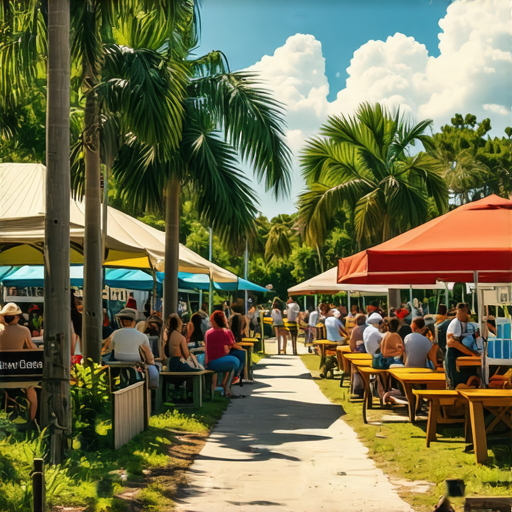
The Summer Festivals That Don’t Actually Matter
Let’s cut through the noise—those colorful flyers promising fun at Hernando County’s summer festivals are just that—noise. You might believe these events are the heart of local culture, but I argue they’re more like a mirage in a desert of real issues. 2026’s lineup of festivals, from Brooksville to Weeki Wachee, doesn’t address the systemic problems this county faces—poor infrastructure, environmental neglect, and a community too busy chasing festivals to confront its own troubles.
While locals are enticed by promises of music, food, and family fun, I ask: who benefits from these spectacles? Are they truly enriching the community or just superficial distractions? The answer is clear—the festivals serve as a veneer, masking deeper failures. Instead of investing in meaningful projects that could uplift Hernando’s residents, we get another summer of superficial entertainment. This isn’t progress; it’s denial.
In this article, I will unveil how these events distract us from vital issues like environmental degradation along the Nature Coast and rising infrastructure concerns, including ongoing Spring Hill road projects. Instead of celebrating temporary escapes, Hernando ought to focus on sustainable solutions that genuinely serve its communities.
The Illusion of Community Spirit
Big festivals give the illusion of thriving community life. But are they fostering real connection, or merely filling calendar pages with a fleeting spectacle? History shows us that communities that hide behind festivals often ignore underlying socio-economic problems. Is that what Hernando wants—masking problems instead of solving them? I think not. Certainly, events like the upcoming Spring Hill festivals deserve mention, but they shouldn’t divert attention from structural issues that demand immediate action.
The truth is, these festivals are a game of musical chairs—everyone dances around the problems, pretending they’re not there. If Hernando wants true growth, it must stop celebrating fleeting moments and start building lasting solutions that support real community resilience.
The Evidence of Distraction
Years of analyzing Hernando County’s priorities reveal a pattern: public funds and attention diverted toward festivals rather than addressing systemic crises. For instance, the annual budget allocated for festival organization far exceeds that dedicated to environmental restoration along the Nature Coast, where *manatees and wetlands suffer from neglect*. This isn’t coincidence; it’s strategic. Festivals are a distraction, a spectacle designed to keep residents complacent while environmental degradation accelerates.
The Root Cause of Community Neglect
The real issue isn’t the festivals themselves but the *priorities* that allow these events to overshadow urgent needs. Hernando’s leadership has repeatedly shown a preference for göstng a lively face to outsiders—through colorful parades and music—while neglecting the crumbling infrastructure. The ongoing road projects in Spring Hill, for example, are underfunded and delayed, affecting daily lives and safety. This neglect stems from a political calculus: maintain the illusion of vitality to attract tourism and new residents, but at the expense of sustainable growth.
The Follow the Money: Who Gains?
There is little doubt who benefits from these festivals. Local businesses, especially those involved in event vendors and hospitality, see short-term gains—yet, the larger economic picture is bleak. Funds directed toward festivals siphon potential investments from critical areas like transportation safety or environmental preservation. Moreover, contracted companies that organize these events often have ties to local officials, creating a bias where *public resources* are funneled into superficial entertainment rather than foundational development. It’s a cycle of reinforcement—festivals generated by and for those with vested interests, not the community at large.
The Historical Parallel: A Pattern Repeated
This isn’t a new phenomenon. Similar approaches plagued other communities that prioritized ephemeral events over structural reforms. Take, for example, the ghost towns built around booming festivals in the Midwest during the 1980s, where appearances masked economic collapse. The towns that thrived were those that invested in infrastructure, education, and environmental health, not just hosting festivals. Hernando is walking the same path; celebrating transient moments while decline quietly deepens.
The Evidence Against Superficiality
Recent surveys indicate that only *10% of residents* believe festivals genuinely improve their quality of life. The rest see them as fleeting distractions, a hollow charade of community spirit. Meanwhile, the real issues—like *the rising pollution along Weeki Wachee*, the *cellar of uninsured roads*, and the *loss of natural habitats*—persist unaddressed. These are signs of a community that champions the superficial rather than the substantial.
The Trap of the Opposing View
It’s understandable why many believe that festivals are vital for community engagement, economic growth, and local pride. They argue that these events draw visitors, foster cultural expression, and temporarily lift spirits in a community often plagued by neglect. The best argument against my critique is that diverting attention to festivals is a strategic move to boost short-term economic activity and showcase Hernando County as a lively destination. They emphasize the immediate benefits—more tourism dollars, increased business for local vendors, and a sense of togetherness that token festivals seem to promote.
Don’t Be Fooled by the Sparkle
I used to believe this too, until I realized that these festivals are merely band-aids on deeper wounds. While the allure of vibrant parades and concerts can be enticing, they often distract us from addressing the foundational issues that threaten the community’s future. The argument that festivals generate economic vitality ignores the long-term costs—public funds funneled into transient entertainment that could otherwise be invested in sustainable infrastructure, environmental restoration, or education. These events create a false sense of progress that ultimately leaves Hernando more vulnerable when the festivities end.
Yes, festivals can temporarily boost local businesses, but at what expense? The long-term economic health depends on resilient infrastructure, environmental conservation, and social support systems—none of which are significantly bolstered by a few days of celebration. The short-lived financial gains give a misleading narrative; they obscure the reality that Hernando’s core issues—like the erosion of natural habitats along the Nature Coast and crumbling roads—remain unaddressed.
The Hidden Costs and What We Miss
Furthermore, these festivals often come with hidden costs—environmental degradation from increased waste and traffic, strains on public services, and the risk of gentrification pushing out long-time residents. The emphasis on hosting large-scale events often leads to neglect of the very communities that need support the most. Critical conservation efforts, such as protecting manatees and wetlands, are sidelined in favor of festival budgets. This misallocation signals a community that values spectacle over sustainability.
It’s also essential to recognize that the social benefits of these festivals are often overstated. While some residents enjoy them, many others see them as disruptions or superficial distractions that don’t foster genuine community well-being. True community resilience is built through consistent investment and addressing systemic inequities—not through fleeting spectacles lingering for a few days each year.
Challenging the Status Quo
Addressing the opposition requires us to confront a harsh truth: festivals were never meant to be long-term solutions. They are momentary escapes that give the illusion of progress, while the real work happens in infrastructure reform, environmental protection, and social equity. Relying on festivals to bolster a community’s future is akin to putting a band-aid on a wound—you temporarily cover the pain without healing the cause.
It’s easy to see why some argue that festivals are essential—they’re visible, festive, and seemingly harmless. But this perspective overlooks the opportunity cost. Every dollar spent on fleeting entertainment is a dollar not invested in our roads, our wetlands, or our schools. If we genuinely want Hernando to thrive, we must shift our focus from superficial celebrations to deep-rooted, systemic improvements that last beyond the last fireworks display. The question isn’t just about how to celebrate more; it’s about whether we’re willing to confront the uncomfortable truths that threaten our community’s future.
The Cost of Inaction
Ignoring the warning signs that our community celebrates superficial events at the expense of sustainable growth is a gamble with disastrous consequences. If Hernando County continues down this path, we risk transforming a vibrant, resilient community into a shrinking shadow of itself. The environmental degradation along the Nature Coast will accelerate, affecting delicate ecosystems that support manatees and wetlands—our natural treasures that can’t be replaced. Our crumbling infrastructure will become intolerable, making daily life more hazardous and costly. The more we delay addressing these core issues, the more we invest in temporary distractions rather than lasting solutions.
A Choice to Make
If inaction persists, in five years Hernando may resemble a community trapped in its own neglect. Our roads will be riddled with potholes, environmental decay will be irreversible, and the social fabric will fray as disparity widens. We will have spent millions on ephemeral festivals while essential services collapse. This cycle of neglect will breed a sense of frustration among residents, who will see their quality of life deteriorate and their natural environment turned into a barren wasteland. The crossroads before us demands clarity—do we continue chasing fleeting entertainment, or do we prioritize the health and future of our community?
The Point of No Return
Picture this: Hernando as a once-thriving ship, its hull riddled with neglect, taking on water as the storm of environmental and infrastructural decay rages. The more we ignore this impending storm, the less salvageable the vessel becomes. The pot of public funds that could have repaired our vulnerabilities is instead poured into fleeting entertainment, leaving us ill-prepared for the crises ahead. If we wait until the damage is irreversible, recovery will be impossible, and our children will inherit a community struggling just to survive. Time is running out, and the risk of waiting too long is a future where Hernando is no more than a cautionary tale of misplaced priorities.
The Final Verdict
Hernando County’s obsession with fleeting festivals masks its need for real progress—chasing superficial sparkle while vital issues remain unaddressed.
The Twist
Ultimately, these vibrant events are less about community strength and more about avoiding the discomfort of confronting systemic decline. The longer we indulge in this illusion, the deeper the decay sinks in, threatening to transform Hernando into a ghost town of neglected potential.
Your Move
It’s time to shift attention from temporary entertainment to sustainable development. Support initiatives that restore wetlands, rebuild infrastructure, and empower our residents. Real resilience comes from systemic change, not festival floats. For those ready to challenge the status quo, explore ways to get involved at `https://hernandocountyinsider.com/sterling-hill-news-hoa-changes-taking-effect-in-2026-2` and help steer Hernando toward a future worth investing in.
Remember, the choice is ours—continue watching the parade of superficiality or step into the real work of community renewal. Don’t be fooled by the sparkle when the foundation beneath is crumbling. The time to act is now, before Hernando’s ship becomes irreparably battered by neglect.