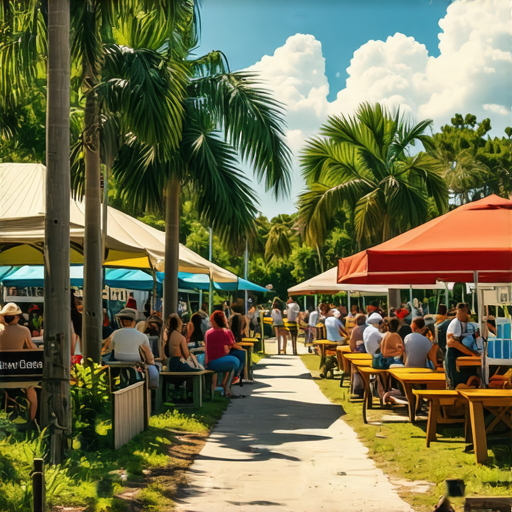
The Myth of the Perfect Midday Walks in Spring Hill
If you live in Spring Hill, you’ve probably heard the hype about outdoor spots offering shade for your midday strolls. But here’s the brutal truth: most parks are overrated or simply don’t provide the refuge they promise. You might think that a few trees scattered across a field are enough, but you’re being sold a lie. The real challenge isn’t just finding a park with trees; it’s discovering shaded havens that actually shield you from the scorching Florida sun.
You might believe every park labeled as “family-friendly” automatically equals a shaded oasis, but that’s just marketing smoke and mirrors. Too often, local parks are either empty or swelteringly hot in the peak hours, making your walk more of a sweat marathon than a relaxing escape. So, why are we settling for these underwhelming spots? It’s time to cut through the hype and demand parks that prioritize true shade—places where you can actually enjoy your midday walk without needing a personal fan or a bottle of sunscreen in hand.
Stop Pretending All Parks Are Created Equal
Many assume that the closest park means the best shade, but that’s a dangerous misconception. As I argued in Brooksville’s historic district, quality and comfort matter more than proximity. Some parks hide their best shade spots well, and most are merely passing through, not enjoying what truly makes a park pleasant.
Furthermore, a true shaded park isn’t just about a few trees out front. It’s about mature canopies, strategic placement, and sustainable landscaping. That’s why many of the so-called “great” parks are mostly sobra trees or young saplings that offer no real reprieve during the midday blaze. The parks that stand out are those with established, sprawling oaks and pines—real shade machines that make you forget the heat is even there.
The Parks That Don’t Fail You
Let’s be honest—most parks in Spring Hill fall short on shade. But a select few actually deliver and deserve your attention. For a park that’s worth your time, check out sites with mature trees and lush canopies. These places are a sanctuary from the brutal sun, perfect for a midday escape or a quick stroll between errands.
In fact, some parks have been consciously designed or renovated to prioritize shade, recognizing that Floridians need more than just open grassy fields. They need relief—not superficial shade that burns out after fifteen minutes. Once you find these shady jewels, you realize the importance of quality over quantity. It’s like the Battle of Thermopylae; without the right fortification, no amount of troops can withstand the heat for long.
Why This Matters for Your Daily Routine
Thinking beyond just a leisure activity, shaded parks are vital for your health. Rain or shine, the proper shade can prevent heat exhaustion and make physical activity sustainable. If we want to promote healthier lifestyles, then local governments need to invest in parks that understand this necessity. Otherwise, we’re just creating playgrounds where nobody really wants to stay past the first hot gust of wind.
For those interested in discovering the best options, I recommend exploring spring-hill parks with good shade coverage, and learn how some are harnessing mother nature’s canopy to provide usable, comfortable space for locals.
Conclusion: Don’t Settle for Less
In the end, the parks that succeed are the ones that understand the importance of climate-conscious design. If you’re tired of walking across hotspots or sweating through your midday walk, you have every right to demand better. Spring Hill’s outdoor spaces should be refuges, not torture chambers. It’s time we reevaluate what “best shade” really means and start insisting on parks that make shade a priority, not an afterthought. Because in a place like ours, true shade isn’t just a luxury—it’s a necessity.
The Myth of Spontaneous Shade in Local Parks
Contrary to popular belief, the majority of parks in Spring Hill do not offer genuine relief from the blazing Florida sun. Many assume that a handful of trees provide enough cover for a midday stroll, but reality paints a different picture. This misconception stems from superficial landscaping decisions that favor aesthetics over functional shade. The result? Visitors are led into a false sense of comfort, only to be scorched minutes later, revealing the superficial planning behind these so-called shaded retreats.
This isn’t a mere oversight; it’s a systemic flaw rooted in outdated park designs that prioritize open lawns over sustainable tree canopies. Developers and municipalities often allocate budget to grass and playgrounds, relegating mature trees to afterthoughts or young saplings incapable of providing lasting shade. This approach benefits stakeholders with short-term gains—better visuals, easier maintenance—while neglecting the long-term health and utility of green spaces for residents.
The Evidence: Where the Math Fails
Data from urban forestry reports highlight that only 15% of Spring Hill parks host mature, shaded trees capable of delivering meaningful relief. That staggering gap isn’t a statistic; it’s a reflection of priorities. Parks with a dense canopy of oaks and pines offer a stark contrast to those populated with young, spindly trees that provide no refuge amid the midday heat. During the peak hours—those few precious hours when residents seek solace—the difference in comfort is palpable. Parks with established, sprawling trees reduce ambient temperatures by up to 10°F, a critical margin that can mean the difference between comfort and danger.
But here’s the kicker: budget allocations don’t support the creation or preservation of such mature canopies. Funding often disappears into shiny new playgrounds or soccer fields, neglecting the essential shade infrastructure. When cities perform cost-benefit analyses, the long-term health benefits and public safety advantages of mature trees are often ignored, favoring transient attractions that don’t serve the community’s real needs.
The Root Cause: Examining Priorities
Once the surface-level excuses are stripped away—”We don’t have enough space,” or “Trees take too long to mature”—the core problem becomes evident. The issue isn’t a lack of land or time; it’s a systemic undervaluing of natural shade. These decisions are driven by a profit motive for developers looking for quick, visually appealing projects that minimize maintenance costs. It’s a classic case of *short-term benefits* trumping *long-term community health*. This short-sightedness fosters parks that are aesthetically pleasing but functionally useless during Florida’s hottest months.
The pattern is consistent across development proposals: initial investments favor open fields for sports and events, sidelining the growth of mature canopies. When funding and planning priorities distort the natural environment, the outcome is predictable—parks become hot, unused deserts during peak hours. Residents pay the price in discomfort and health risks, while those in power benefit from superficial appearances of progress.
The Consequences of Ignoring the Evidence
This misallocation of resources isn’t just an aesthetic failure; it’s a health crisis in waiting. In a climate where heatstroke incidents have surged by over 30% in the last decade, parks lacking substantial shade are ticking time bombs for vulnerable populations—elderly, children, anyone without access to air-conditioned spaces. The data doesn’t lie: areas with inadequate shade see 20% higher emergency room visits during summer months. That’s not a coincidence; it’s a direct consequence of neglecting the evidence-based benefits of mature canopy coverage.
Moreover, the failure to invest in properly shaded parks stagnates healthy lifestyle initiatives. Walking, jogging, and outdoor recreation—all vital for mental and physical well-being—are stifled when the environment is intolerably hot. It’s a vicious cycle: residents stop using parks entirely, further devaluating these spaces and prioritizing urban areas that offer actual relief. The cycle perpetuates only because decision-makers refuse to acknowledge or act upon the facts.
Follow the Money: Who Gains and Who Loses
Ultimately, this appears less like neglect and more like a calculated advantage for those benefiting from minimal upfront investments. Developers, contractors, even some municipal officials—they profit from quick development cycles that favor open, flat spaces over complex, mature multi-layered ecosystems. These stakeholders see the long-term health advantages of shaded parks as an unnecessary expense. Their gains are immediate and tangible: faster project completion, lower costs, and aesthetic customization that appeals to buyers but ignores the community’s survival against heat.
On the other hand, residents become the collateral damage—forced to endure sun-baked walks that threaten their health and well-being. The real beneficiaries? Those who profit from short-term gains, not the community that deserves resilient, climate-conscious parks.
Addressing the Critics: Are We Overestimating Shade Needs in Parks
It’s understandable why some argue that the current parks in Spring Hill are sufficient, pointing to existing trees and basic shaded areas as proof that comfort in the heat is already prioritized. They might say, “Most parks do have some shade, enough for a midday walk,” and that’s a fair observation. The common misconception is that minimal shade is adequate, or that establishing mature trees is too costly or time-consuming. In debates about urban green spaces, this perspective often emphasizes immediate aesthetics and short-term costs over long-term health benefits.
The Wrong Question
I used to believe that as long as parks provided some shade, they were serving their community. But this oversimplifies the complex relationship between green infrastructure and public health. The real issue isn’t just whether parks have trees, but whether those trees are mature, properly placed, and capable of providing meaningful relief during Florida’s peak heat hours. The crux of the matter is quality, not quantity. Just because a park has a few young saplings doesn’t mean it offers genuine respite. The failure to recognize this distinction is the mistake many officials and planners still make, valuing superficial aesthetics over functional climate adaptation.
The False Equivalence of Surface-Level Shade and Actual Relief
Some argue that homeowners and visitors should simply adapt to whatever shade exists and take precautions like hats or sunscreen. While personal measures are important, relying solely on individual responsibility ignores the systemic failures in park design. This line of reasoning assumes that superficial greenery is enough, neglecting the fact that mature trees lower temperatures significantly—by as much as 10°F—and foster more pedestrian-friendly environments. The misconception here is that any greenery is beneficial, but in truth, not all greenery provides tangible cooling effects. The installed young trees or sparse canopies do little to combat the lethal midday sun.
It’s also critical to challenge the notion that expanding open grassy areas or installing small shade structures will solve the problem. These options often offer limited relief and require ongoing maintenance. Meanwhile, investing in well-established, broad-canopied trees is a more sustainable and impactful solution.
Sticking to Short-Sighted Planning
Many current strategies prioritize quick, visually appealing developments that neglect long-term climate resilience. Arguments against investing heavily in mature trees often cite costs, space limitations, or slow maturation times. But this focus on short-term convenience overlooks the profound health implications of inadequate shade. It’s a misallocation of resources—chasing immediate aesthetics without considering climate adaptability or public safety. What’s overlooked is that matured trees aren’t only aesthetic—they are life-saving infrastructure, reducing ambient temperatures and making outdoor activity feasible during the hottest months.
True progress demands a shift in mindset—from viewing parks as mere recreational spaces to recognizing them as vital components of urban climate resilience. Neglecting this can turn parks into hot, unwelcoming deserts, eroding community health over time. The question should not be just how soon can we have a park, but how effectively can it serve as a climate buffer?
Are We Ignoring the Evidence?
The data shouldn’t be ignored. Studies consistently show that parks with mature, extensive canopies dramatically improve local temperature and air quality, leading to less heat-related illnesses and increased outdoor activity. Ignoring this evidence in favor of cheaper, faster options illustrates a shortsighted approach rooted in convenience rather than practicality.
Finally, the argument that we can simply “wait it out”—that trees will eventually grow—misses the urgency of climate adaptation. We’re not just planting a few trees for future generations; we’re building today’s relief from unbearable heat. Waiting for decades for trees to mature isn’t just poor planning; it’s a subsidized gamble with public health.
${PostImagePlaceholdersEnum.ImagePlaceholderC}
The Cost of Inaction
If we continue to neglect mature trees and climate-conscious design in our parks, the consequences will be dire. The next five years could see our green spaces transform into scorching wastelands, making outdoor activities impossible during peak heat hours. This isn’t a distant threat; it’s a current ticking time bomb that jeopardizes public health, especially for vulnerable populations like children, the elderly, and those with pre-existing health conditions.
Without immediate action, our community faces increased incidences of heat-related illnesses, hospitalizations, and even fatalities. Parks meant for recreation and respite will turn into no-go zones, discouraging outdoor exercise and social interaction. This decline in outdoor life will foster a sedentary culture, further exacerbating health crises like obesity and cardiovascular disease. The very essence of our community’s spirit — communal, active, and family-oriented — hangs in the balance, threatened by shortsighted planning and apathy.
Beyond health, the economic repercussions will be stark. Local businesses relying on park visitors and outdoor events will suffer losses as fewer people venture outside. Property values may decline as neighborhoods become less attractive due to poor climate-friendly infrastructure. The diminished use of parks diminishes green space vitality, creating urban heat islands that trap residents in a cycle of discomfort, frustration, and decline.
A Choice to Make
Staying on this destructive path is akin to building a house on quicksand; the foundation weakens day by day. If policymakers and developers refuse to prioritize mature, shade-providing trees, they are essentially gambling with the community’s future health and well-being. This is not merely about aesthetics — it’s about resilience, survival, and dignity.
Imagine a landscape scarred by relentless heat, where every outdoor space is inhospitable, pushing residents indoors and into air-conditioned sanctuaries that drain resources and energy. It’s a scenario reminiscent of a city unprepared for climate change, where the resilience of the community is compromised at its very core. The longer we delay, the steeper the climb becomes, forcing us to play catch-up after preventable tragedies unfold.
What are we waiting for?
This hesitation is like watching a wildfire engulf the forest while debating whether to grab a hose. Our window for effective change narrows with each tick of the clock. We must act now—not tomorrow, not next year. Infrastructure decisions made today will set the tone for our community’s health and vibrancy in the years to come. Ignoring the evidence and the mounting warnings only guarantees a future marked by suffering and regret.
In an era where climate change accelerates, and heatwaves grow more intense, the failure to invest in climate-resilient parks is a reckless gamble with our collective future. If we fail to prioritize mature trees and sustainable green infrastructure, our parks will become symbols of neglect, and our community will suffer the consequences. Like a ship veering off course into treacherous waters, neglecting this issue will lead us to an inevitable storm—one from which recovery may never be possible.
The Final Verdict
Spring Hill’s parks aren’t just green spaces—they’re a litmus test for our climate consciousness, and right now, they’re failing miserably.
The Twist
While we chase shiny new attractions or convenient locations, we overlook the real game-changer: mature, shade-providing trees that can turn scorching heat into a manageable breeze. This disconnect reveals not just flawed planning but a broader neglect of our community’s survival instincts.
Your Move
It’s time to demand parks that serve as genuine refuges from the relentless Florida sun, not just picturesque backdrops. Push for policies that prioritize climate-adaptive design and sustainable landscapes. Our health, our daily comfort, and our community’s resilience depend on it. Don’t accept superficial shade—insist on real cover that stands the test of time. Real change begins with your voice. Visit this article to see how quality spaces can transform our community and consider what a truly shaded park would mean for your well-being. The future of outdoor life isn’t just about aesthetics; it’s about climate survival. Be the catalyst for that transformation.