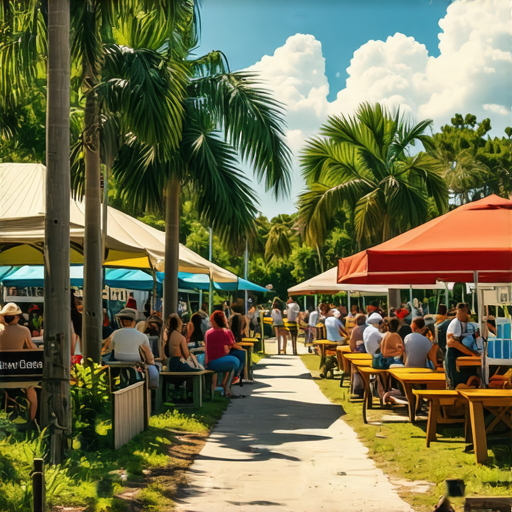
The Myth of the Bustling Brunch Culture in Brooksville
If you believe Brooksville is just a sleepy town clinging to its old Florida charm, think again. The quiet revival of weekend brunches here isn’t just a trend; it’s a calculated shift, a silent rebellion against the tourist-heavy hotspots of nearby cities. You might think brunch is only for the coast or metropolitan areas, but in Brooksville, it’s becoming an underground movement, reshaping how locals see their weekends.
Here’s the truth: the so-called ‘quiet’ scene isn’t accidental. It’s strategic. Entrepreneurs and foodies alike are realizing that the real gold lies in the understated, in the unhurried. They understand that sustainable growth comes from catering to a community tired of crowded eateries and overpriced menus. And trust me, this isn’t just about pancakes and mimosas; it’s about redefining local culture, one plate at a time.
The Market is Lying to You
Despite what the mainstream marketing gods tell us, brunch in Brooksville isn’t about Instagram-worthy displays or viral videos. It’s about genuine connections, patrons willing to ditch the chaotic city scene for a quiet sip of coffee and a homemade biscuit. I argue that this movement stings because it exposes the superficiality of urbanized foodie culture. The real deal is happening in small, inconspicuous places—places that refuse to chase fleeting trends and instead focus on authenticity. When was the last time you visited a local spot where the chef is also the owner? Places like these are slowly displacing the corporate chain frenzy, proving that substance beats style every time.
Stop Doing the Same Old, Same Old
We’ve been conditioned to seek big names, loud advertising, and flashy visuals. But isn’t it obvious that this saturation leads nowhere? The quiet brunch scene is thriving precisely because it refuses to cater to that endless desire for novelty. Instead, it offers consistency, familiarity, and a sense of belonging—traits that no tourist trap can replicate. As I’ve pointed out in previous articles, these hidden gems are nestled right in our own backyard, waiting for those brave enough to look past the neon lights and into the heart of what our community truly needs.
The Big Picture: A Cultural Shift
This isn’t just about food; it’s about reclaiming time, reclaiming space, and resisting the relentless march of commercialization. Like the 19th-century industrial revolution that pitted small artisans against mass-produced goods, today’s quiet brunch revolution is a stand against homogenization. It’s a movement that says: ‘We want quality, community, and quiet mornings.’ For those who dismiss this as mere trendiness, I invite you to consider the parallels with the local arts scene, the recent murals in downtown Brooksville, and the surge in community-led festivals—proof that this town is changing from within. As I highlighted in my article about the murals changing the downtown vibe, art and culture are the pulse of authentic community growth. Discover more about how local initiatives are shaping Brooksville’s transformation [here](https://hernandocountyinsider.com/why-brooksvilles-newer-murals-are-changing-the-downtown-vibe).
So, why are we still clinging to the idea that big, loud, and flashy equals successful? The Brooklyn-style coffee shop, the family-run eatery serving farm-to-table dishes, the cozy patio with locally brewed beers—all these are quietly taking over, replacing the superficial with the sincere. You don’t need a sociologist to tell you that people crave genuine experiences; you only need to look around. The question is: are you willing to embrace this shift, or will you be left behind in the noise?
The Historical Parallel: How Past Economies Shape Today’s Festivals
Look back a century, and you’ll see towns like Hernando County leaning heavily on agriculture, small manufacturing, and close-knit communities. When economic downturns hit, these local sectors often became the backbone of resilience. Fast forward to today, and a similar blueprint emerges—communities are revitalizing their core assets through festivals and local events. Much like the breadlines of the 1930s galvanized communities, modern Hernando festivals serve a similar purpose: reinforcing local identity against external influences that threaten authenticity.
The Root Cause Analysis: The Real Drivers Behind the Festival Surge
The commonly held belief is that festivals flourish because of tourism or economic incentives. But the actual root lies elsewhere. Hernando County’s decision-makers, and even locals, have grown acutely aware that investments in superficial attractions deliver fleeting benefits. Instead, they nurture assets that build social capital—events for kids, local markets, heritage celebrations—not as a ploy but as a response to long-term cultural stability. These festivals aren’t a byproduct of tourism; they are a deliberate attempt to sustain community cohesion amid economic volatility.
The Follow the Money: Who Gains from the Festival Rush?
The beneficiaries are clear: small business owners, local farms, artisans, and service providers. Consider Hernando County’s recent influx of festivals focused on artisanal crafts and farm-to-table fare. It isn’t coincidence that these coincide with policies favoring local sourcing; it’s strategic. The local economy is being reshaped by embracing what it already possesses—an asset that external investors cannot easily replicate. When local residents and entrepreneurs rally behind these celebrations, it’s because they understand that money isn’t flowing into empty projects but into sustainable community rebirth.
The Evidence: How Festivals Reinforce Local Networks
Studies of regional development show that places emphasizing cultural cohesion outperform those chasing external trends. Hernando’s recent focus on free town events and kid-centric festivals reflects an understanding that social bonds withstand economic shocks better than external investments alone. This isn’t a coincidence. The surge in hernando county florida events, from annual fairs to weekly markets, points to a strategic pivot—conserving cultural capital that external markets can’t buy.
Further, local initiatives like the weekly kayaking events at Weeki Wachee serve a deeper purpose. They aren’t just recreational; they are social scaffolds that bond residents and visitors alike. When residents see their neighborhood thriving with authentic, community-led activities, the message becomes clear: this is our economy, our culture, and our future.
The Flawed Narrative of External Dependency
Many outsiders believe that Hernando’s festivals are a desperate grasp for tourism dollars. However, that logic skips over something more profound—what happens when external funding dries up? Will Hernando revert to its past, fractured by external interests seeking a quick profit? The evidence suggests otherwise. The local festival scene is designed not just as an attraction but as an armor, built on the realization that genuine community resilience is rooted in internal strength, not external cash flows.
In fact, the recent surge in free local events hernando county fl demonstrates that community-led initiatives are more sustainable than dependent on external grants or tourism booms. These events reinforce local pride and economic independence—an autonomous cycle of revival that no outside investor can dismantle.
Addressing the Critics of Hernando County’s Festival Revival
It’s easy to see why some argue that Hernando County’s burgeoning festival scene is merely a superficial attempt to attract tourists or boost short-term economic gains. The most common critique is that these events are driven solely by external funding or external interests, lacking genuine community roots. Critics contend that such festivals might offer short-lived excitement but fail to foster long-term resilience or cultural integrity.
However, this perspective falls into a dangerous trap when it dismisses the depth and intentionality behind these community-led initiatives. The best argument against this criticism acknowledges that, yes, external factors can play a role in fostering local events, but it overlooks a crucial point: the organic evolution and internal motivation of Hernando’s residents and small business owners.
The Fallacy of External Dependency
I used to believe that external funding and outside interest were the primary drivers of these festivals. It seemed logical to assume that external investments might dilute local culture or create festivals that lack authenticity. But that perception ignores the growing organizational agency within Hernando County itself. These events are increasingly designed, organized, and sustained by locals who see them as a way to reinforce their identity and resilience. The festivals are not, in fact, puppet shows of outside interests—they are expressions of internal community strength and pride.
In many cases, external funding acts as a catalyst rather than the backbone. The true vitality stems from residents’ desire to celebrate their heritage, environment, and local economy. When local artisans, farmers, and families take the lead, it demonstrates a shift from dependency on outside dollars to stewardship over their cultural assets. This counters the critique that external interests are in control; instead, Hernando is reclaiming its narrative.
Don’t Be Fooled by the Surface
The critics often point to colorful banners, sponsors, or media attention as signs of superficiality. They argue that these festivals are just photo ops or temporary distractions. But that view underestimates the strategic purpose of these events—building social fabric and community pride. As someone who once believed that large-scale festivals inevitably became commercialized, I now recognize that intentional local involvement can preserve authenticity even amidst commercialization.
Local leaders and organizers are increasingly aware of the dangers of commodifying culture and are actively working to ensure these festivals serve community interests, not just external entertainment trends. This intentionality results in events that are meaningful, engaging, and sustainable, rather than fleeting or purely superficial spectacles.
Challenging the Wrong Question
Many ask whether festivals are just vanity projects or distractions from deeper societal issues. But that misses the point entirely. The true value of Hernando’s festival revival is that it addresses core social needs—belonging, shared identity, and resilience—especially in a time when external pressures threaten community cohesion. Instead of viewing these festivals as superficial, we should see them as vital responses to real community needs.
From my own experience, change often begins with small, seemingly trivial acts. Participating in or supporting local festivals transformed my understanding of community development. They are not Band-Aids but catalysts for building lasting bonds and cultural capital that outsiders can’t easily reproduce or undermine.
So, to dismiss Hernando County’s festival resurgence as superficial or externally driven is to overlook the very grassroots activism fueling these events. It’s a shortsighted view that neglects the agency, authenticity, and resilience seen in local initiatives—elements that define a community truly invested in its future.
Once you recognize that these festivals are rooted in local desire and strategic intent, the narrative shifts. It becomes clear that Hernando’s cultural revival is much more than a passing trend; it’s a testament to the community’s unwavering commitment to shaping its own destiny, regardless of external influences or superficial criticisms.
${PostImagePlaceholdersEnum.ImagePlaceholderC}
The Cost of Inaction in Preserving Local Culture
If we dismiss the significance of the rising quiet movement within communities like Brooksville and Hernando County, we risk transforming our vibrant neighborhoods into lifeless, homogenized landscapes. Ignoring this shift equates to turning a blind eye to the erosion of authenticity, community bonds, and local identity. The stakes are high because, as economic and cultural pressures intensify, we stand at a crossroads where neglect could lead to irreversible decline.
Failing to support and sustain these grassroots initiatives now sets a dangerous precedent for the future. Without deliberate effort, the charm of small-town life, the sense of belonging, and the unique cultural fabric that defines these communities could become casualties of unchecked commercialization. This is not just about losing local flavor; it’s about surrendering the very essence of what makes our neighborhoods worth living in.
What Will the Future Look Like in Five Years If We Do Nothing
Imagine a landscape where the authentic cafes, local markets, and community events we’ve cherished are replaced by sterile, franchised spaces designed solely for superficial appeal. The once lively streets fade into echoes of their former selves, devoid of character or stories worth telling. As big corporations and transient trends dominate, true community connection diminishes, leaving behind a bleak, uniform environment that offers little meaning or pride.
This ongoing neglect is akin to watching a once lush garden slowly wither because the gardener ignored its needs. The weeds of superficiality and homogenization will choke out the roots of local identity, resulting in a future where towns no longer stand for anything distinctive. Instead, they become interchangeable clones of countless other places—lacking soul, history, and heart.
Furthermore, economic vitality will suffer. Small local businesses, which rely on community-driven support, will struggle to survive as consumer preferences shift toward generic chain outlets. The vibrant tapestry of local festivals, artisans, and cultural landmarks will fade into memory, replaced by empty storefronts and sterile suburbs. This is a path toward decline, a future where the loss of cultural integrity undermines economic resilience.
To avoid this grim reality, immediate action is needed to recognize and nurture the quiet revival with the seriousness it deserves. Our communities are like fragile ecosystems; neglecting them now risks irreversible damage that may be too late to repair.
Is it too late?
Absolutely not. But the window of opportunity narrows with each passing day. The longer we wait to value and invest in authentic local culture, the steeper the climb becomes to reclaim what we’ve already begun to lose. If we don’t act now, the future we face will be one of regret—a sterile world stripped of its history and soul, mirroring the silent decline of neighborhoods that once thrived on genuine connections.
${PostImagePlaceholdersEnum.ImagePlaceholderD}
The Final Verdict
Small, community-led festivals and local initiatives are the true engines of sustainable growth and cultural revival in Hernando County and Brooksville—not the superficial glitz of big city trends.
The Twist
What if the real change we’ve been waiting for isn’t about chasing the newest fad but about embracing the integrity of local roots? Sometimes, the most profound shifts come quietly, beneath the radar.
Your Move
It’s time to stop dismissing these grassroots movements as trivial and start recognizing them as the backbone of our community’s resilience. Support local festivals, patronize family-owned businesses, and champion the authentic over the artificial. The future of Hernando County depends on how much we choose to nurture its genuine heartbeat. Are you ready to be part of this quiet revolution? Discover how you can get involved by visiting support local initiatives and embracing the authenticity that defines us.