Why Supporting Hernando County’s Small Businesses Is a Fight Worth Having
Let’s discard the myth that big box stores and faceless corporations are the backbone of Hernando County’s economy. The real heartbeat lies with local entrepreneurs and family-owned shops. But here’s the truth you probably don’t want to hear: time is running out for many of these small gems. They’re on the brink of being swallowed by the very growth that’s touted as a win, yet often leaves local businesses choking on the dust of development.
You might think, “It’s just a few shops, what’s the big deal?” But supporting these businesses isn’t about charity — it’s about preserving the community’s authenticity, fostering local jobs, and keeping Hernando’s unique character alive. If we don’t act now, these small businesses will be just another chapter in the county’s expansion story, erased by chain stores and soulless franchises.
The Market is Lying to You
It’s tempting to buy into the narrative that mainstream shopping centers and online giants are the future. But as I argue in this article, that’s a smokescreen. These developments are designed to suck the dollars out of our community, not reinvest any of it locally. Small businesses generate more income per dollar for locals, create authentic character, and serve as the beating heart of neighborhoods.
Yet, we’re distracted by grand announcements of new malls or big-box arrivals — just as if that’s progress. Stop waiting for a sign to support local shops. They need us now, before the crowds and the “buzz” make their demise inevitable.
The Fragile Ecosystem of Local Business
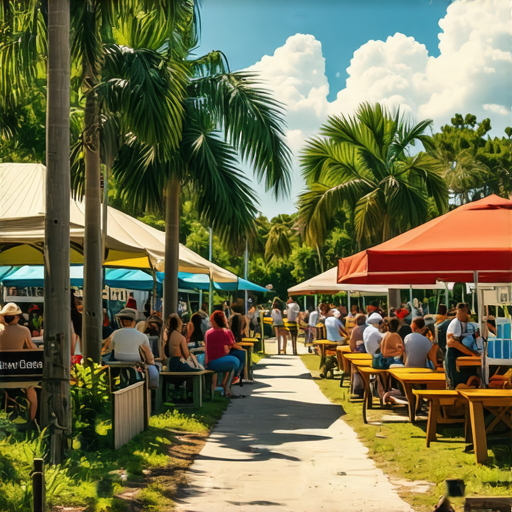
Supporting small businesses isn’t a passive activity. It’s an active stance against homogenization and economic erosion. Think of Hernando’s local economy as a delicate balance, much like a game of chess: every move matters. When you buy from Sterling Hill’s independent shops or visit the weekly farmers markets, you’re making a strategic move to keep this balance in your favor.
Visit this guide to find out how easy it is to get involved and support. It’s a matter of prioritization. Are we going to stand by and watch Hernando become a clone of every other suburban sprawl, or are we going to fight for what makes it special?
Act now, because once these small businesses are gone, they’re gone forever. The question is: are you willing to let that happen without a fight?
The Evidence That Small Businesses Are the True Heart of Hernando County
History shows us patterns of relentless expansion favoring corporate giants over local shops. Take the 2008 financial crisis as an example: during economic downturns, chain stores weathered the storm better, thanks to their access to massive capital reserves, while small businesses shuttered in droves. This isn’t coincidence; it’s the systemic advantage built into a system that benefits the few at the expense of the many. Here in Hernando County, the same forces are at play — with local shops bearing the brunt of development pressures designed to enrich outsiders, not the community.
Furthermore, the data isn’t just grim; it’s revealing. For every dollar spent at a small business in Hernando, approximately 67% stays within the community, supporting local wages and reinvestment. Contrast that with big-box stores, where only about 40% recirculates locally. That 27% gap isn’t trivial; it’s the difference between a thriving, interconnected economy and one that bleeds resources to distant shareholders.
Who Benefits from Hyper-Development?
The true beneficiaries are rarely the residents. Instead, it’s the developers and large corporations orchestrating these growth schemes. They profit from land deals, zoning concessions, and lengthy tax incentives, all while local merchants grapple with higher rents and diminished customer bases. The city planners, often influenced by these interests, frame these developments as progress, but beneath the glossy facade lies a fundamental tilt — one that favors capital over community cohesion.
Consider the fate of Sterling Hill: a neighborhood once alive with small shops and local eateries. Today, that vibrancy has been replaced by national chains and sterile strip malls. Who gains from this transformation? Not the longtime residents, who see their neighborhoods lose character and affordability. The answer is clear: those who hold the purse strings stand to profit as the local fabric frays.
The Math That Isn’t Adding Up
It’s easy to buy into the narrative that bigger is better. The promise of easy convenience and shiny new malls sways public opinion, but the numbers betray this myth. Sales taxes from big-box development often fall short of projections, while the local economy becomes increasingly fragile. When small businesses fall, the tax base erodes. This slow erosion means fewer resources for schools, parks, and public services. The math is simple: sacrificing community-centric commerce for short-term gains leads to long-term decline.
And let’s not forget the social costs. Small businesses aren’t just about transactions; they’re about relationships, community pride, and identity. Their disappearance leaves Hernando susceptible to the homogenization that threatens all local communities across the nation. The evidence makes it unequivocal: this development model is unsustainable and ultimately destructive, unless we confront who truly benefits.
Addressing the Critics of Local Business Support in Hernando County
It’s easy to see why some argue that supporting small businesses hampers growth and limits progress in Hernando County. The common belief is that attracting big-box stores and large developers is the pathway to economic vitality, offering more jobs and modern amenities. Critics often emphasize the immediate convenience, lower prices, and expanded choices that come with corporate expansion. They contend that a free-market approach naturally weeds out inefficient small shops, leaving the strongest competitors to thrive.
However, this perspective fundamentally misunderstands the true cost of prioritizing rapid development over community-centered commerce. The best argument against supporting small businesses acknowledges that growth is necessary but warns that unchecked expansion often sacrifices the very character and resilience of our local economy. It recognizes that big-box stores and corporate chains do bring certain benefits—such as lower prices and variety—but at what long-term expense?
The Trap of Short-Term Gains
I used to believe that more shopping options and new developments would instantly uplift Hernando’s economy until I realized that these gains are often fleeting. The immediate benefits—cheap goods, visible progress—mask the deeper, more sustained value that small businesses provide. When we chase the illusion of instant convenience, we overlook the economic fragility that comes with overreliance on big corporations. That’s the trap: confusing short-term attrition of boutique shops with genuine growth. The question is whether we want prosperity built on temporary spikes or on a resilient community fabric.
Large developments frequently promise new jobs, but studies show that many of these positions are low-paying, seasonal, or disconnected from local needs. Meanwhile, small businesses generate higher wages per employee and foster authentic community interactions. They keep dollars circulating within Hernando, ensuring that the benefits of growth stay local. Ignoring this nuance risks creating a town that looks prosperous on paper but is impoverished in community spirit and economic diversity.
${PostImagePlaceholdersEnum.ImagePlaceholderC}
The Cost of Ignorance in Hernando County’s Future
If Hernando County continues down its current path, ignoring the warning signs about the demise of small businesses and community character, the consequences could be devastating. The unchecked expansion powered by big-box stores and relentless development risks setting off a chain reaction that could fundamentally alter the fabric of our community. This isn’t just about economics; it’s about the soul of Hernando County and what kind of place we leave for future generations.
What Are We Waiting For
Every day we delay taking action is a day closer to irreversible change. If we allow large corporations to dominate the landscape without resistance, we are essentially building a town that prioritizes profit over people. The real danger lies in complacency. Similar to a person ignoring early signs of a storm, we may find ourselves overwhelmed once the impact becomes undeniable. The question is: at what point do we recognize that the warnings are no longer just whispers but alarms sounding loudly?
Imagine Hernando County as a fragile vessel sailing into a storm. If we ignore the darkening clouds and strengthening winds, the vessel risks capsizing. The small shops, locally owned and vital to our community’s identity, are the lifeboats. Abandoning them in pursuit of shiny new developments only ensures they will be lost at sea, leaving us with a shell of a community instead of a vibrant, resilient place to live.
The Future if We Turn a Blind Eye
Five years from now, if current trends continue unchecked, Hernando could resemble countless generic suburbs across the nation—strip malls, national chains, and little sense of local uniqueness. The essence of our community, built over generations, would be replaced by bland sameness. Our children might only remember the stories of how their town once thrived on local businesses, not the bustling hub it once was. Moreover, the economic ramifications are stark: tax bases shrink, public services suffer, and the inescapable homogenization drives residents away in search of places that still feel like home.
This isn’t a distant threat; it’s a path we are veering down right now. Once the character is lost, it will be nearly impossible to reclaim. The opportunity to steer our community toward a sustainable future is slipping through our fingers, and with every unchallenged development, the window narrows further.
Conclusion
Our inaction is a form of consent to a future where Hernando County is just another faceless suburb, devoid of the charm and vibrancy that made it special. The stakes couldn’t be higher, and the time to act is now. Otherwise, we march towards a point of no return, where the cost of ignoring the reality becomes our community’s legacy — one of lost identity and diminished opportunity.
Take a Stand or Watch Hernando Fade Away
The future of Hernando County hinges on what we choose today. Will we continue to let big-box giants and developers dismantle the character that makes this place special, or will we rally to preserve the local shops and community spirit that define us? The choice is ours, but the time for hesitation has passed. Supporting small businesses isn’t charity — it’s an act of rebellion against homogenization and economic erosion. Every dollar spent at a local shop, every visit to the farmers market, is a strike against the forces intent on turning Hernando into just another generic suburb. Want proof? Consider how, during economic downturns like the 2008 crisis, chain stores weathered the storm better, leaving small shops to shutter—an ominous sign of what’s to come if we don’t act now. Data reveals that for every dollar spent at Hernando’s small businesses, 67% stays within the community, fuelling local wages and reinvestment, compared to only 40% in big-box stores—a stark reminder of where our priorities should lie.
We face a relentless tide of development schemes that benefit outsiders and corporations at our expense. Take Sterling Hill, once vibrant with local shops, now increasingly dominated by national chains that drain our community’s vitality. These projects are often justified as progress, but beneath the glossy surface lies a fundamental tilt—one that favors capital over community. The math is clear: taxes from these developments often fall short, community fabric frays, and the true cost of growth is paid in social and economic tolls. Small businesses foster relationships, create authentic neighborhood identities, and keep money circulating locally. Their disappearance leaves Hernando vulnerable to homogenization, erasing what made it unique.
Critics argue that supporting small shops hampers growth, claiming big-box stores bring jobs and amenities. Yet, the reality is different; many of those jobs are low-wage, seasonal, and disconnected from our community’s needs. Small businesses provide higher wages per employee and forge genuine bonds that strengthen local resilience. Visiting local markets and independent shops is more than a shopping trip; it’s a strategic move to preserve Hernando’s economic diversity. The question is, will we continue to be passive spectators or take decisive action?
This connects to my argument in the recent piece about how unchecked development often prioritizes profits over community well-being (read more here). Now, more than ever, Hernando’s character is at stake. The small shops and community hubs are our lifeboats in a sea of homogeneity. If we abandon them, the result will be a bland, forgettable suburb—an echo of countless towns that lost their soul. Local economies thrive when we prioritize community-centric commerce; it’s a principle proven time and again under economic pressure.
Stand or Watch Hernando Disappear
So here’s my challenge: do we sit back and watch as Hernando becomes just another faceless stretch of strip malls, or do we draw a line in the sand? Support local businesses, advocate for policies that protect neighborhood shops, and reject developments that bleed our community dry. Every act of patronage, every voice raised, is a shot across the bow of corporate encroachment. If we stay silent, we’re complicit in the erosion of our community’s identity. If we act, we can still shape Hernando’s future—one built on resilience, character, and local pride. The choice is clear: your move to protect Hernando County’s heart and soul.