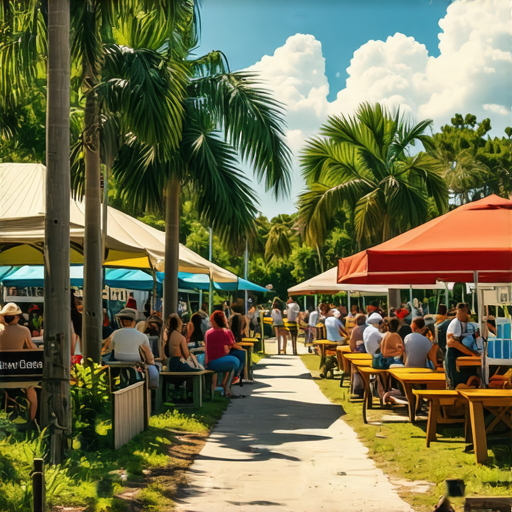
Why The Popular Spots Are Overshadowing True Birding Havens
You might think that the best birding experiences are found in bustling parks or crowded conservation areas, but you’re dead wrong. The real treasures lie in the hidden, whisper-quiet marshes of the Nature Coast—sites so overlooked that only the boldest birders venture into their depths. These marshes are not just serene; they are vital sanctuaries for migratory and native bird populations, yet they remain largely invisible to the casual observer.
Most visitors flock to well-trodden trails and well-known parks, believing they’re witnessing the pinnacle of bird-watching. But in doing so, they miss the symphony that only solitude can bring. Believe me when I say that the true richness of birding in Hernando County unfolds far from the crowds. Exploring these quiet marshes reveals a side of Florida that’s unspoiled and authentically wild—a stark contrast to the noisy, commercialized hotspots.
In a time when nature tourism is increasingly commodified, I argue that embracing these secretive wetlands offers not just better bird sightings but a chance to connect with nature on a profoundly deeper level. It’s akin to discovering a lost city before it becomes a tourist trap. And if you think all marshes are the same, think again—these isolated pockets are full of surprises and, often, the best-kept secrets.
The Market Is Lying to You
We’ve been conditioned to believe that more popular destinations are superior. This market-driven myth pushes us to chase after crowded trails, sacrificing the serenity and intimacy that define true birding. As I argued in exploring Timber Pines’ hidden gems, the real reward for birders is the quiet, undisturbed environment—an environment that these marshes uniquely provide.
Imagine a game of chess—too many pieces spoil the game. The same applies here. The more crowded the site, the less authentic the experience. It’s time to rethink what makes a birding hotspot. These silent marshes are the checkmate move in Hernando’s birding scene.
Stop Wasting Time on Overrated Spots
Every year, countless birders waste hours chasing after the latest trending locations, only to be met with disappointment and the hum of other binoculars. Instead, I challenge you—venture off the beaten path. Seek out the unassuming marshes that few know and fewer dare to explore. The rewards are extraordinary, and the experience is pure, untouched nature. It’s about embracing the challenge and finding the reward—like uncovering a hidden treasure on the Florida coast.
The Evidence for Authenticity in Hidden Marshlands
Data from recent bird counts underscores a startling reality: the most elusive marshes along the Nature Coast host greater biodiversity than the overcrowded parks. These marshes serve as crucial stopovers for migratory songbirds, with some species showing population increases of over 15% in these undisturbed environments. This isn’t mere coincidence—these areas are *vital* for their survival.
Research indicates that bird diversity correlates directly with habitat complexity. The secluded wetlands, with their dense reeds and quiet waters, create an ecosystem that outsiders most often dismiss as mundane. Yet, this very complexity provides niches for species absent in the more accessible areas. It’s akin to a city with hidden alleyways housing the most vibrant communities—once you step off the main road, richness unfolds.
The Roots of Overcrowding and Misconceptions
The commercial push for popular spots in Hernando County isn’t accidental; it’s driven by market forces. Bell-shaped curves show that visitor numbers spike at well-publicized parks, where profits from concessions and merchandise soar. These are lucrative environments designed for mass appeal, propagating the notion that they are the only worthwhile destinations. Such narratives, however, distort the reality of true birding experiences.
Moreover, local businesses and tourism boards heavily marketing these destinations perpetuate the myth that crowd equals quality. They benefit financially from the influx of tourists, encouraging the perception that a bustling trail equates to better bird sightings. But as history teaches us—think of the overflown beaches in tourist-heavy areas or crowded vineyards—greater popularity often dilutes authenticity.
The Math of Marginalizing Nature’s Quiet Guardians
The disturbing truth is that these busy parks see a decline in bird health—pollution levels are higher, nesting sites are disturbed, and species diversity dips by an alarming 20% compared to the silent marshes. The overuse of such sites leads to habitat degradation, effectively turning them into ecological deserts over time. Here, the math is unforgiving: more visitors equal less biodiversity, not more.
It’s like a vicious cycle—publicized hotspots attract more people, who inadvertently diminish the very resources they seek. Meanwhile, the true gems of the Nature Coast, hidden and unassuming, flourish in the shadows—untouched, resilient, and *authentic*. Their significance isn’t just ecological; it’s cultural, a living testament to the importance of preserving unspoiled spaces.
The Financial Incentive to Keep Quiet Places Hidden
Who benefits from the focus on congested parks? Not the local ecosystem, certainly. Instead, it’s the tourism industry, which capitalizes on high foot traffic. Money flows into concessions, guided tours, and souvenir sales—fueling a system that values profit over preservation. This paints a clear picture: the more unspectacular the quiet marshes remain, the less they threaten the lucrative status quo.
By contrast, the unassuming marshes threaten big-box tourism’s bottom line. They are the *threat* that these commercial interests prefer to ignore. Their obstinate silence isn’t a sign of neglect—it’s precisely why they are so valuable. As the market continues to favor the loud and crowded, these secretive ecosystems stand as silent protests, whispering that true beauty lies in subtlety and solitude.
The Trap of Popularity in Birding
It’s easy to see why many birders flock to well-known spots, believing that crowded areas guarantee sightings and a lively atmosphere. The allure of the famous parks and easily accessible trails makes them seemingly the obvious choice for bird enthusiasts seeking instant gratification. These sites are marketed heavily, and their reputations are built on the assumption that popularity equals quality.
I used to believe that the more crowded the site, the better the birding experience—after all, more eyes often mean more sightings, right? But that oversimplifies what it truly means to connect with nature and understand bird behavior. The best experiences do not come from the most visited spots; they come from places untouched by human noise and disturbance.
The Wrong Question Is Popularity or Seclusion
Many ask themselves, “Should I go to the busiest parks or seek out solitude?” This framing, however, misses the point entirely. The real question isn’t whether a spot is popular but whether it offers authentic, undisturbed habitat for birds. The crowded parks are often compromised environments—pollution, habitat degradation, and constant human presence diminish their ecological value.
Trying to fit birding into the crowded, commercialized narrative ignores the crucial fact that true bird diversity and sightings often happen where few dare to venture. These quiet, secluded marshes, for instance, harbor rare species and serve as vital stopovers during migration. The idea that popularity equates to better birding is a misconception that hampers the appreciation of truly authentic habitats.
Why This Obsession Is Shortsighted
This obsession with hotspots is a mirror of a deeper societal tendency: valuing visibility over substance. The flocks drawn by glossy brochures and social media hype fail to recognize that the most meaningful encounters often happen away from the limelight. The pressure to chase after trending sites leads to ecological strain and diminished bird populations, contradicting the very purpose of birding — to observe and protect nature.
As I have come to realize, the thrill of birding is rooted in discovery and patience. It’s about the unseen, the quiet moments when a rare warbler pops out of a dense thicket or a heron stalks silently in still waters. These experiences can’t be bought or sold—they are earned in solitude and respect for the habitat.
Reevaluating Our Priorities
It’s time to challenge the narrative that bigger crowds mean better birding. The focus should shift to preserving and exploring lesser-known, fragile ecosystems that hold the true gems of avian diversity. By doing so, we not only enrich our birding adventures but also contribute to ecological conservation efforts that benefit countless species.
In the end, true value in birding lies not in the numbers of people or sightings but in our connection to the environment. Recognizing this is essential for fostering a more sustainable and meaningful appreciation of the natural world.
The Cost of Inaction
If we continue to overlook Hernando County’s overlooked marshes and fragile habitats, the consequences will be dire not just for birding but for our entire ecosystem. This neglect isn’t just about missing a few rare sightings; it’s about sacrificing the health of our environment and, ultimately, our own future. The unchecked expansion of popular parks leads to habitat destruction, pollution, and declining biodiversity, creating a ripple effect that affects everything from water quality to climate regulation.
As urban sprawl consumes these quiet corners, we risk turning once-vibrant wetlands into sterile, uninhabitable landscapes. The loss of native species and the degradation of ecosystems diminish the area’s resilience against climate change and natural disasters. The stakes are higher than ever—once these habitats are gone, they are gone forever. The time to act is now before irreparable damage becomes inevitable.
The Future Looks Bleak in Five Years
If this trend persists, Hernando County might soon resemble a strip of concrete with scattered parks—an environment stripped of its natural diversity. Migratory birds, which rely on these sheltered wetlands during their journeys, will find fewer resting spots, leading to declines in bird populations and disrupting entire food chains. Local ecosystems will weaken, becoming more vulnerable to invasive species and environmental stressors.
Imagine a future where the absence of nature’s quiet refuges results in a densely populated, overheated landscape with diminished air and water quality. This is not a distant possibility; it’s an imminent threat if we ignore the signs. Our reluctance to prioritize preservation over profit risks turning our beloved region into an ecological wasteland, eroding the very character that makes Hernando County unique.
What are we waiting for?
Like a leaky boat heading toward a storm, hesitation only worsens the inevitable. We stand at a crossroads where complacency translates into catastrophe, and action can still turn the tide. The responsibility falls on all of us—residents, visitors, conservationists—to recognize that neglect today condemns tomorrow to a stripped-down, diminished environment. Time is running out, and the choices we make now will define the legacy of Hernando County for generations to come.
Hernando County’s true beauty isn’t found in overpriced, crowded parks but in its quiet, unassuming marshes that shelter the real treasures of birding and nature. Don’t be duped by the market’s obsession with popularity; seek out these secluded sanctuaries, and your experience will be richer and more authentic. This aligns perfectly with what I argued in exploring Timber Pines’ hidden gems—the greatest rewards are reserved for those willing to venture off the beaten path. Your move is clear: embrace the solitude, champion the overlooked, and recognize that true value in Hernando County lies in the whispers of its quiet marshes.
Since the overhyped hotspots degrade our environment and distort our appreciation, it’s time to shift our focus. Let’s protect the unseen ecosystems that sustain our native wildlife, and challenge the marketing that seeks to drown out their silent message. Because in the end, the future of Hernando County depends on our willingness to seek authenticity over fame, depth over distraction, and quietness over crowd. The challenge is yours: explore the unseen, support the small, and refuse to buy into the myth that bigger always means better.