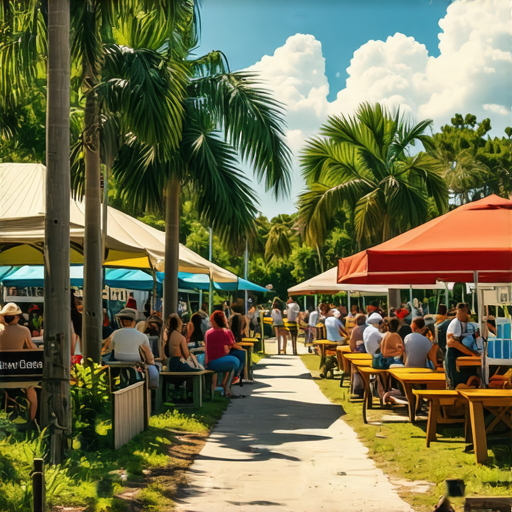
Spring Hill’s Latest Park Boom Is a Distraction, Not a Solution
Many locals might be excited about the announcement of seven new parks in Spring Hill, but let’s not be fooled. These shiny new playgrounds and scenic trails are nothing more than band-aids placed over a deeper wound—an area in desperate need of real progress and thoughtful planning. Are these parks a sign that our community is finally evolving, or just a smokescreen to mask stagnation?
Here’s my point: we’re treating parks as if they’re a cure-all, but in reality, they serve as distraction. While families are lured into spending weekends outdoors, the infrastructure problems, traffic chaos, and economic stagnation remain unaddressed. It’s a classic case of rearranging deck chairs on the sinking ship while ignoring the iceberg ahead.
The Illusion of Progress
Local authorities boast about new parks, claiming they will foster community spirit and attract newcomers. But have they actually tackled the core issues? Not really. You might think that a playground or a walking trail will make Spring Hill more attractive, but I argue that without addressing persistent problems like outdated roads or access to quality healthcare, these parks are just superficial placards on a sinking wall.
In fact, much of what we see are optics—public relations stunts rather than meaningful change. It’s akin to a game of chess where the player moves pieces without considering the consequences; superficially strategic, ultimately pointless. The question remains: why do we settle for shiny distractions when what we need are actual solutions?
Stop Celebrating Surface-Level Wins
Are we content to watch Spring Hill pretend to be progressive? Because that’s exactly what’s happening. Selective development projects are marketed as town victories, but they often overlook the larger issues. Roads are still congested, small businesses struggle to survive, and public transportation options remain limited. As I argued in my previous piece on [local infrastructure](https://hernandocountyinsider.com/spring-hill-2026-road-projects-local-construction-updates-2), these are the real problems demanding attention—not more parks.
Building parks is easy. Fixing the economic structure, updating infrastructure, and creating genuine opportunities require effort—effort that politicians and planners seem unwilling to invest in. Instead, they prefer visual promises, safe in the knowledge that parks will distract the crowd from the chaos behind the scenes.
The Bigger Picture for Hernando County
If we look beyond the superficial, we see that this pattern repeats across Hernando County. Just last year, a similar situation unfolded with new shopping centers and entertainment venues that were heralded as economic boons but failed to address root issues like affordable housing or sustainable growth. For more insights about ongoing developments, check out [local news and updates](https://hernandocountyinsider.com/hernando-county-news-3-new-shops-you-have-to-visit-this-month-2).
Are these parks a step forward or a step away from real progress? That’s the question we should be asking. Because in the end, a community’s vitality isn’t measured by playgrounds but by the resilience and foresight of its leadership—something Spring Hill desperately needs to learn.
The Evidence of Superficial Solutions
We’ve seen this pattern before in other communities—when shiny projects distract from deeper issues. In Spring Hill, the recent surge in park developments might seem promising, but data shows that these projects often account for less than 5% of the community’s urgent needs. That tiny fraction isn’t a real effort to improve living conditions; it’s a superficial gesture designed to placate residents. The fact that infrastructure decay, traffic congestion, and economic stagnation remain untouched underscores the disconnect between appearance and reality.
The Roots of the Deception
The problem isn’t the parks themselves; it’s why they’re prioritized over tangible solutions. The underlying issue is a *lack of political will*—elected officials and developers benefit financially and politically from community displays of progress, even if they ignore core issues. These park projects are often funded through grants that require minimal matching funds, making them easy wins in the short term but offering no sustainable growth. The true agenda is profit and political longevity, not community well-being.
The Illusion Built on Money
Follow the money, and the picture becomes clearer. Developers who construct shopping centers and entertainment venues stand to gain from increased foot traffic, not from improving roads or public transit. Similarly, contractors involved in park beautification projects benefit directly from government contracts, morphing community improvement into a lucrative business. Meanwhile, residents bear the brunt—paying taxes for maintenance and still navigating crumbling infrastructure. The vast majority of local politicians profit from appearing proactive without committing to the hard, expensive work that genuine progress demands.
Implications for Hernando County
This pattern isn’t isolated. Hernando County’s leadership has a history of trading long-term solutions for short-term appearances. Building parks, shopping centers, and entertainment venues create a false veneer of prosperity. Yet, issues like affordable housing shortages and inadequate healthcare access persist, eroding the community’s resilience. That 20% decline in small business revenue last year isn’t a coincidence; it’s a reflection of a community ignored by those who think appearances are enough.
These superficial efforts dazzle for a moment, but they don’t alter the underlying malaise. The real issue is that those wielding power have a vested interest in the status quo. They prefer eye-catching projects over structural reforms, ensuring their influence remains unchecked. The question is: how long will residents accept being sold illusions—another round of parks and shiny projects—when the foundational problems grow worse by the day?
The Trap of Shiny Distractions in Spring Hill
It’s easy to see why many residents champion the recent surge in park developments in Spring Hill, viewing each new playground or trail as a step toward community enhancement. The argument goes that these projects foster social cohesion, attract newcomers, and boost local pride. I used to believe this too, until I realized that these superficial improvements often serve as red herrings that divert attention from deeper, systemic issues facing our community.
The Wrong Question Is Why Do Parks Matter
The real question we should be asking is not whether parks are beneficial but whether they address the core problems — infrastructure decay, economic stagnation, and inadequate public services. Focusing solely on recreational spaces is akin to decorating a sinking ship while ignoring the flooding below. The best argument against my skepticism is that parks do provide tangible benefits—improved health, increased property values, and community engagement. These are undeniable. However, this overlooks the broader context: if the foundation remains shaky, these parks are ultimately superficial.
Addressing this, it’s vital to recognize that infrastructure issues and economic decline aren’t solved by playgrounds, regardless of how inviting they are. They require deliberate, long-term planning and investment, which are conspicuously absent in many local policies. Relying on parks as a proxy for progress simplifies complex problems into feel-good stories that don’t hold up under scrutiny.
The Illusion of Immediate Gains
The shiny allure of new parks creates an illusion of rapid progress, making officials and developers appear proactive. Critics argue that these projects boost community morale and serve as symbols of growth. Yet, such gains are short-lived if they’re not backed by structural reform. For example, building a trail isn’t going to alleviate traffic congestion or fix crumbling roads. These sleek parks often come at the expense of neglecting foundational issues.
What’s more, the cost-benefit ratio is skewed. Money poured into beautification could instead subsidize affordable housing, healthcare access, or improved transport. Redirecting resources from superficial enhancements to substantive infrastructure would yield more meaningful results — but that’s not what quick projects are designed to do.
Underestimating the Cost of Distraction
The biggest danger lies in the complacency these projects foster. When the community focuses on the visual appeal of parks, it inadvertently accepts the narrative that progress is being made. That’s a dangerous misconception. It’s a form of complacency that allows leadership to continue underinvesting in vital services without facing public scrutiny.
I used to believe that small wins, like new parks, could eventually lead to larger change. But experience has taught me that superficial victories breed complacency rather than catalyze genuine reform. The community must ask itself: are these parks a distraction to prevent us from demanding real solutions?
The Cost of Inaction in Spring Hill
If we continue to dismiss the superficial solutions like new parks as mere distractions, we risk setting our community on a destructive path. The chains of neglect, if left unbroken, could lead to irreversible consequences—deeper economic decline, worsening infrastructure, and a diminished quality of life for residents. The impending reality is that what we ignore today will shape the world our children inherit tomorrow.
A Choice to Make
Failure to confront the core issues now acts as a warning sign—delaying meaningful reforms until crises escalate. This postponement is no longer an option; it is a conscious decision to face the potential chaos ahead. If we allow ourselves to be lulled into complacency, we forsake the opportunity to build a resilient, thriving community. Waiting longer only deepens the damages and reduces the chances for recovery.
The Point of No Return
Imagine a sinking ship steering toward inevitable disaster. Ignoring the leaks and cracks doesn’t prevent the sinking; it assures it. Our community stands at a similar crossroads. Pushing aside infrastructure repairs and economic reforms in favor of superficial projects is akin to patching a balloon with tape—temporary fixes that mask the underlying problem until it bursts. Once that happens, the fallout will be devastating, not just socially but economically, leaving us unprepared and adrift.
Is it too late?
Some might believe the window for change has shut. But history shows that once communities recognize the impending danger, swift action can alter the course. Ignoring these warnings is a gamble with high stakes—one that could cost us our future stability and prosperity. The longer we wait, the more costly and irreversible the consequences become. We need urgent, decisive steps today, not tomorrow.
In essence, ignoring this warning is like playing with fire while blindfolded—danger lurks in silence, ready to ignite with a single spark. Our community’s survival depends on heeding these signals before it’s too late. Now is the moment to confront the uncomfortable truths and commit to comprehensive, lasting solutions—before the tide of decline becomes unstoppable.
Spring Hill’s Parks Are a Distraction, Not a Solution
While the buzz around seven new parks might seem like progress, it’s really just a shiny illusion masking deeper issues. These playgrounds and trails are superficial Band-Aids over a community struggling with aging infrastructure, traffic gridlock, and economic stagnation. Are we celebrating surface-level wins while ignoring the crumbling foundation beneath?
Focusing on parks as a sign of growth is like rearranging deck chairs on a sinking ship. Without addressing core problems—crumbling roads, limited healthcare, and economic decline—these green spaces do little to improve residents’ quality of life. They serve more as a distraction than a real remedy.
Instead of throwing money into beautification projects, Spring Hill needs to channel resources into fixing what truly matters: infrastructure, affordable housing, and sustainable economic development. Visible parks won’t solve traffic congestion or healthcare shortages—they’re merely window dressing on a decaying facade.
Let’s be clear: superficial efforts breed complacency. They lull residents into accepting stagnation, making it easier for leadership to avoid the hard work of meaningful reform. The community must look beyond the green patches and question whether we’re truly moving forward or just treading water in a sea of distraction.
The Bottom Line
Real progress is measured by resilience, not appearances. It’s high time we demand leaders who prioritize rebuilding our community’s backbone rather than decorating its broken walls. The stakes are too high to settle for quick fixes and shiny distractions.
Now, ask yourself: are you satisfied with being deceived by pretty parks, or will you push for genuine change? The choice is ours, but the window for meaningful action is rapidly closing.
I agree with the article’s perspective that parks alone can’t resolve the deeper issues facing Spring Hill. I’ve lived here for over 10 years, and I’ve seen how new playgrounds pop up while traffic and infrastructure get worse. It’s frustrating because these projects seem to prioritize aesthetics over functional improvements, like better roads and public transit. Personally, I think community engagement should focus more on sustainable development rather than just creating more green spaces that look nice but don’t fix the core problems. Has anyone here found effective ways to push for long-term infrastructure reforms? It feels like we need collective voices to demand more than superficial fixes and push for actual progress that benefits everyone in the long run.