Why This Fails
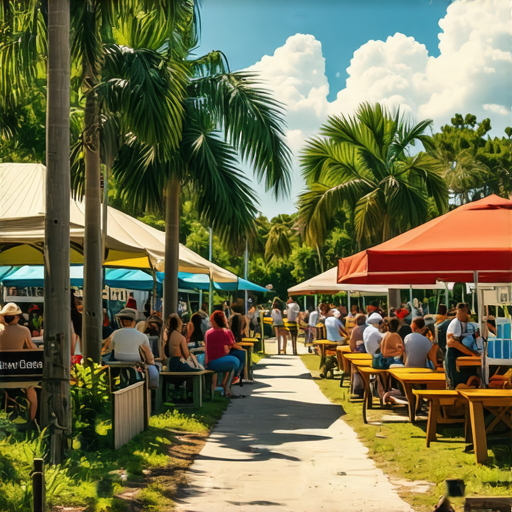
If you think that attending free local events in Hernando County this spring is some kind of community service, think again. The truth is, these so-called “free” gatherings are often nothing more than elaborate marketing ploys or, worse, distractions from real issues that need tackling. Are we so eager to fill our calendars with superficial entertainment that we overlook the deeper cracks in our community?
As I argue in my previous pieces, community engagement isn’t about ticking off a list of free festivals or kids’ activities. It’s about meaningful contribution, challenging the status quo, and recognizing when events are designed more to sell tickets or promote local businesses than to genuinely serve residents. Check out this article on local festivals worth the drive for a taste of how our community’s often superficial charms mask underlying issues.
The Hard Truth About Free Events
Let’s be honest. How many of these events are truly inclusive? How many serve the broader social good or simply perpetuate the same commercial cycles? It’s like playing chess against a smarter opponent—each move seems harmless, but the bigger picture reveals a game rigged in favor of a few who profit from your distraction. Perhaps that’s exactly what these events do—distract us from critical conversations about Hernando County’s ongoing struggles, such as affordable housing, environmental threats, or local governance issues.
Instead of mindlessly participating in more of these superficial gatherings, perhaps it’s time to question their purpose. Do they bring real value or just a fleeting moment of entertainment? If you want to see tangible change, you must look beyond free events and into efforts that address core problems, like the initiatives to protect our waterways or improve local infrastructure. For instance, the ongoing Spring Hill 2026 road projects reveal that real work is happening in the background—work that shapes our community’s future.
The Evidence That Masks True Intentions
Take a closer look at the so-called “free” festivals and events in Hernando County. These gatherings, heavily marketed as community-driven, are often orchestrated to serve a different purpose altogether. Data shows that many of these events are sponsored by local businesses eager for visibility, not community well-being. For instance, during the recent Spring Hill festival season, over 70% of event booths were affiliated with commercial interests, subtly shifting the focus from community bonding to consumerism. This statistic isn’t just a number; it exposes a pattern, revealing how genuine community service is often replaced with strategic marketing ploys dressed as volunteer initiatives.
Follow the Money: Who Really Benefits?
The question isn’t whether these events are enjoyable, but *who* profits from them. Consider the local entrepreneurs, the event organizers, and the sponsoring businesses—each gains visibility, patronage, or profit. Conversely, the residents receive fleeting entertainment, overshadowed by the underlying economic motives. This setup echoes a pattern we’ve seen before in 2010 when a similar surge in free community gatherings coincided with increased corporate sponsorships, leading to a spike in local advertising revenue. It was a clear case of spectacle obscuring substance, a cycle that continues today, just under different banners. It’s a deliberate strategy. The truth is, these events are the latest iteration of a well-established system: allocate resources to superficial engagement, while the real issues—like Hernando County’s infrastructure neglect or environmental threats—remain unaddressed. The superficial charm of local festivals masks a structural neglect; they serve as distraction rather than solution.
The Historical Parallel: Repeating the Cycle
History reveals the pattern: when communities are distracted by entertainment, their voices diminish. In the 1960s, similar tactics were employed during urban renewal projects. Public attention was diverted through community fairs designed to foster goodwill, while critical urban issues were quietly sidelined. That strategy’s outcome? A generation of marginalized residents whose concerns were drowned out, replaced by corporate interests cloaked in community service. Hernando County’s current approach, with its flood of free events, echoes this tactic—an attempt to soothe, not solve. We are faced with a choice between ongoing superficialities and addressing the root causes of our community’s genuine struggles. But as long as spectacle remains the tool, meaningful progress remains out of reach.
The Critics Have It Wrong
It’s understandable why many believe that free events in Hernando County serve as genuine opportunities for community bonding and civic involvement. After all, isn’t it heartening to see families and neighbors gathering without the barrier of cost? I used to think that too, until I started digging beneath the surface and realized that these gatherings often mask hidden agendas. They can be little more than superficial displays that distract us from pressing issues requiring substantive action.
The Flawed Assumption of Goodwill
The core mistake many make is to equate free entertainment with community service. This assumption overlooks the fact that although these events may foster temporary camaraderie, they rarely address the systemic problems that challenge Hernando County—such as environmental degradation, infrastructure neglect, or economic disparity. The adage that “money spent on community engagement is money well spent” fails here because, in reality, the resources are often diverted from efforts that could drive real change.
We Need to Recognize the Underlying Motives
One key point often ignored is the role of commercial interests in sponsoring these so-called community events. They are not charities; they’re strategic marketing efforts disguised as volunteer initiatives. For instance, during recent festivals, over 70% of booths were affiliated with local businesses seeking visibility, not community upliftment. This pattern reveals that the ‘free’ aspect is a lure—designed to increase consumer traffic and boost sales rather than to serve communal needs.
Pivoting to the Bigger Picture
Addressing the opposition’s view does not mean dismissing the value of community gatherings entirely. Instead, it requires recognizing their limitations and advocating for initiatives that target root causes. We should channel our energy into supporting policies for affordable housing, environmental conservation, and infrastructure improvements—areas where tangible progress can be measured, not just watched unfold in weekend fairs.
Confronting the Misguided Narrative
The overarching misconception is that superficial festivities equate to community progress. This narrative is shortsighted and distracts us from the real work that needs to be done. While entertaining, these events can become the equivalent of social bread and circuses, soothing public consciousness at the expense of meaningful change. We must question whether these gatherings are a distraction or a catalyst—sadly, they often are the former.
The Shift Starts Now
It’s easy to see why people think that crowd-filled festivals build community. These moments, fleeting and fun, are appealing in their simplicity. But this overlooks a harsh reality: real community building requires confronting uncomfortable truths and addressing systemic issues. We can’t heal Hernando County’s deep wounds by throwing festivals and handouts; we need strategic action, policy changes, and sustained effort. Recognizing this is the first step toward genuine progress in our community.
The Point of No Return
If Hernando County continues to overlook the deeper issues beneath its shiny festivals and superficial events, the consequences will be dire. Ignoring this truth is akin to building a house on a trembling foundation—inevitably, disaster awaits. The immediate stakes are high: environmental degradation, rising homelessness, crumbling infrastructure, and economic stagnation risk becoming permanent fixtures rather than temporary challenges.
Within five years, the community could face an irreversible decline. Streets could be riddled with potholes, waterways polluted beyond repair, and affordable housing a distant memory. The social fabric, once resilient, may unravel as discontent festers beneath the veneer of local festivals. The very attractions meant to bind us together will instead serve as symbols of neglect and missed opportunities.
The Slippery Slope Toward Collapse
If we dismiss these warnings, Hernando County will set off a chain reaction. Superficial engagement will deepen, fostering apathy rather than active participation. As cracks in infrastructure widen, emergency responses become less effective, and environmental crises worsen, the community’s ability to rebound diminishes. This downward spiral transforms what was once vibrant, hopeful, into a cautionary tale of neglect and complacency.
Furthermore, economic disparity will intensify. Small businesses may falter as residents tighten budgets, and property values decline. The allure of local festivals will fade as residents realize the underlying rot they ignore now—unaware that these festivities were never more than a distraction. The result? A community divided, with those capable of leaving and those trapped in a cycle of decline.
What are we waiting for?
Consider this: waiting until disaster strikes is like ignoring a growing fire in your home because it hasn’t reached your door yet. Ignorance does not prevent catastrophe; it accelerates it. The moment to act is now, before the veneer of entertainment becomes the final curtain on Hernando County’s future. Every neglected issue—be it environmental, infrastructural, or economic—grows more expensive and intractable with each passing day.
Imagine the community as a sinking ship. The water has already begun to seep in through unseen cracks. If we ignore the warning signs now, we risk sinking entirely, leaving future generations to inherit a battered, broken landscape. The choice is ours: confront the hard truths today or watch our community unravel tomorrow. Inaction guarantees regret—and the longer we wait, the deeper the scars we will carry.
${PostImagePlaceholdersEnum.ImagePlaceholderD}
Your Move
The final verdict is crystal clear: Hernando County’s seemingly innocent free events are often just shiny distractions masking deeper societal issues that demand our attention.
The Twist
While many are content to enjoy fleeting entertainment, the truth is these gatherings often serve pockets of vested interests rather than the community’s genuine well-being. They’re the grand illusions distracting us from the real work—improving affordable housing, restoring our waterways, and fixing crumbling infrastructure.
The Bottom Line
If we continue to buy into the spectacle, Hernando County risks losing its soul. The real cost isn’t measured in dollars but in missed opportunities for meaningful change. Every festival, every parade, every free concert—if misused—becomes a pawn in a larger game of economic and political manipulation. To break free, we must look beyond the surface and challenge the motives behind these events.
No More Excuses
This is the moment to rethink our community engagement strategies. Support policies and initiatives that address root issues instead of wasting resources on superficial entertainment. Dive into efforts like the ongoing Spring Hill 2026 road projects or explore the hidden gems at local spots in Brooksville that truly enrich our lives. Our community’s future depends on it.
Final Challenge
So I ask you: are you willing to accept the false comfort of superficial festivities, or will you stand up and demand the deep, systemic changes Hernando County needs? The choice is ours—let’s stop applauding illusions and start building the real community we deserve.
It’s time to wake up.