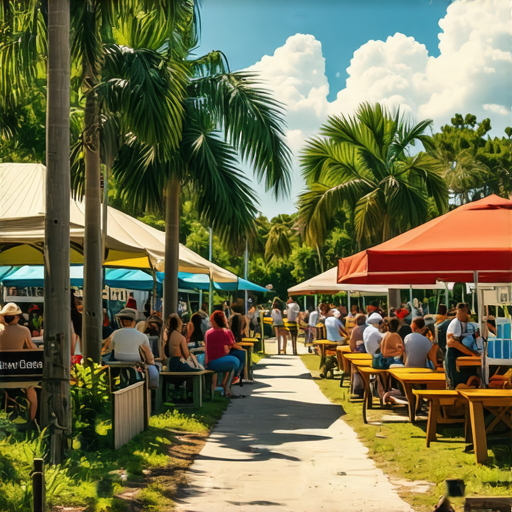
Why The Myth Of Authenticity Is A Lie
Most people wander into Downtown Brooksville expecting to find a genuine slice of Floridian history. But what they often get is a tourist trap dressed in old buildings and sweet tea. The idea that a place can be historically authentic is a fantasy we tell ourselves, a comforting lie to justify our visits.
If you want the real story of Florida, you need to stop chasing after shiny storefronts and start looking beneath the surface. Because the truth is, true Florida history isn’t plastered on signs or flaunted in museum exhibits. It’s hidden in the stories that the guides won’t tell, in the everyday lives of the locals who refused to forget their roots, and in the places that the tourism boards prefer you ignore.
The Market is Lying to You
Our culture sells a sanitized version of history that fits neatly into a tourist brochure. They want you to believe that old buildings and historical markers equal authenticity. The reality? Those markers are sometimes just costume jewelry, added to boost tourism and mask the discomfort of a less glamorous past. Real history doesn’t come with a brochure or a gift shop.
To find genuine Florida stories, you need to go where the locals go—not the postcard spots. As I argued in hernandocountyinsider.com/about-us, exploring the community’s hidden corners uncovers the truths that polished plaques conceal.
Stop Relying on the Official Narrative
The official version of Florida history often skips the uncomfortable truths. Slavery, displacement of native tribes, economic exploitation—these are stories many would rather forget. But in Brooksville’s back alleys and quiet corners, evidence of these truths remains. It’s where the layers of history are thickest, if you know where to look.
Most visitors miss the significance of places like Sterling Hill or the stories behind Weeki Wachee’s famed mermaids. These aren’t just attractions—they’re chapters of a complex past that define who we are today. Besides, who needs a history lesson dictated by marketers when you can listen to the stories told by those who lived it? For more ideas on exploring the local history, visit exploring Timber Pines’ hidden gems.
Why You Should Care
Understanding where Florida’s real history hides isn’t just about nostalgia. It’s about acknowledging the struggles and triumphs that shaped our community. When we ignore the messy parts, we risk losing our identity, becoming just another town with a few old buildings—it’s a betrayal of our own past.
If you think visiting the historic district is enough, think again. Authenticity isn’t in the preserved facades but in the stories that aren’t sanitized, in the places that challenge the tourist narrative. The true Florida history is in the dirt where our ancestors fought, in the stories that aren’t printed in brochures. Want to discover it? Start digging deeper than the surface, because that’s where the real history lives.
The Evidence of Manufactured Authenticity
When you walk through the streets of Brooksville or stand before Weeki Wachee’s famed mermaids, what you see is a carefully curated image. But beneath the shimmering surface, the truth is decidedly different. The tours, the stories, even the landmarks—they’re often crafted to sell a version of Florida that never quite existed.
Take Sterling Hill, for instance. Many visitors believe it’s a historic site with deep roots, but a closer look reveals a landscape shaped by economic interests more than genuine heritage. The same applies to the so-called
The Myth of Genuine Heritage Is a Smokescreen
It’s easy to see why many believe that exploring places like Weeki Wachee or Sterling Hill offers a slice of authentic Florida. Tourists flock to these sites expecting a window into the real past, assuming that preserved facades and staged performances mirror genuine history. They think that authenticity is built into the attractions they see, that what’s presented is the unvarnished truth. I used to believe this too, until I realized that many of these experiences are crafted illusions, carefully curated for tourism.
The Wrong Question Is Trusting the Surface
Many argue, “If it looks historic, it must be real.” But this approach is shortsighted. The real challenge is recognizing that these attractions are often manufactured narratives, designed to entertain rather than educate. They are stories that sell a sentimentalized version of Florida, glossing over the complex, often uncomfortable truths of our history.
The superficial charm distracts us from the deeper stories—the native communities displaced, the economic struggles, the environmental battles—that truly define the region. It’s tempting to accept the surface as authentic, but that mindset prevents us from engaging with the real historical undercurrents flowing beneath the shiny veneer.
Don’t Be Fooled by the Illusion of Preservation
Many assume that preserved buildings or staged shows are a testament to genuine heritage. However, preservation is frequently a selective process, emphasizing aesthetic appeal over historical accuracy. The facades we admire may be reconstructed, the performances scripted, the narratives simplified—even sanitized—to fit tourist expectations.
Real history isn’t about shiny displays or staged reenactments; it’s found in the back alleys, in reclaimed land, in stories told by those who lived through the times. The curated experience offers comfort, but it often erases the gritty, messy reality of the past.
The Evidence of Manufactured Nostalgia
Consider Weeki Wachee’s mermaids or Sterling Hill’s supposed historic significance. These are attractions that seem authentic on the surface but are, in truth, products of marketing and nostalgia. They derive their allure from a crafted image, not genuine heritage.
It’s easy to fall into the trap of thinking that because a site looks old or a show is traditional, it’s an authentic relic of history. But I’ve come to see how much of what we’re shown is built to evoke sentiment, not truth. Authenticity, if it exists here, is buried beneath layers of commercial interests and staged performances.

The Cost of Inaction
If we continue to accept the curated illusions of Florida’s history and heritage, we risk losing more than just the truth—we jeopardize our community’s identity and future. When celebrations of manufactured nostalgia overshadow genuine stories, we create a landscape where the real past is buried beneath layers of marketing spin. This superficial approach prevents us from understanding the struggles and triumphs that genuinely shaped our region, fostering a collective amnesia that erodes cultural depth.
Over time, this neglect fuels a cycle of cultural erosion. As authentic stories fade into obscurity, future generations grow up without a clear sense of their roots. The richness of local history becomes just another unremarkable chapter in the background noise of commercial attractions. This loss isn’t just sentimental; it impoverishes our social fabric, making communities more disconnected and less resilient to change.
The Slippery Slope of Cultural Dilution
If this trend of valuing surface appearances over substantive history persists, the consequences escalate exponentially. States and towns may begin prioritizing quick tourism gains over preserving their true stories, leading to a homogenized landscape where every place looks and feels the same—designed for superficial engagement rather than meaningful connection. Authenticity becomes a rare commodity, replaced by a manufactured narrative that can be easily manipulated to suit economic interests.
In five years, this trajectory could transform Florida into a theme park version of itself—an endless Instagram backdrop devoid of depth or substance. Tourists might still visit, but they’ll leave with little more than a fleeting impression, unable to distinguish between genuine heritage and a carefully crafted facade. As history is sanitized and commodified, the community’s resilience diminishes, and its stories become commodities in a marketplace of illusions.
What are we waiting for?
This isn’t just about preserving old buildings or placating history buffs; it’s about safeguarding our identity. Imagine a future where the stories of native tribes, enslaved ancestors, and everyday heroes are erased completely—replaced by sanitized versions designed solely to entertain. The stakes are high, and the window to act is closing fast.
It’s like watching a once-beautiful tapestry unravel into frayed threads, each removal a stitch lost from our collective fabric. We must ask ourselves: Are we willing to stand by as the true story of Florida slips away, replaced by fleeting illusions? Or will we take the steps necessary to preserve the genuine, messy, vibrant history that makes us who we are?
Your Move
Authenticity in Florida isn’t found in glossy brochures or staged performances but in the stories buried beneath the surface—that is, if you’re willing to look. The next time you stroll through a supposedly historic site, ask yourself: am I experiencing real history, or just a curated illusion designed for tourism? This challenge isn’t for the faint-hearted; it’s for those who refuse to accept the sanitized version peddled by marketers and city officials. Dive deeper, explore the hidden stories in herandocountyinsider.com/about-us, and challenge the narrative that’s been spoon-fed to us for too long.
The Bottom Line
True Florida heritage isn’t about preserved facades or staged reenactments; it’s in the unvarnished stories of those who lived it—the native tribes displaced, the enslaved ancestors, the local heroes ignored by tourism hype. The manufactured nostalgia we’re sold diverts us from this reality, leaving behind a town that’s forgotten its roots. If we keep accepting these illusions, we risk losing the essence of our region forever. It’s high time we confront the uncomfortable truths and embrace the messy, vibrant history that has shaped us—because authentic heritage demands honesty, not embellishment.
The Final Challenge
So here’s my dare: stop accepting the surface and start seeking the stories that those with nothing to gain want to tell. Look past the tourist traps—visit local events, explore hidden community gems, and listen to the stories that aren’t scripted. Our history isn’t a product to be sold; it’s a legacy to be preserved. And only when we recognize this will we reclaim the authentic spirit of Florida before it’s all reduced to manufactured memories.