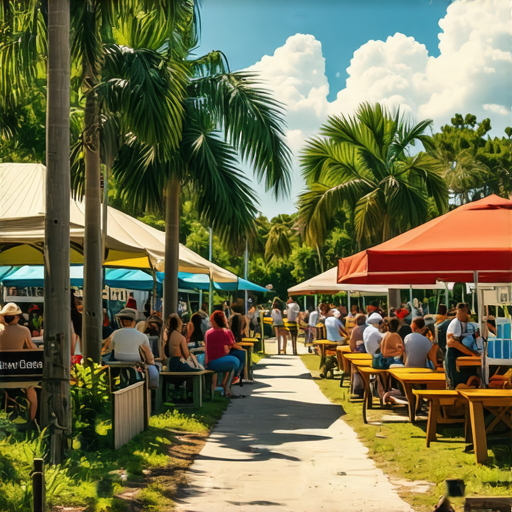
Why Hernando County’s Festival Frenzy Betrays Real Priorities
If you think the parade of festivals and events cluttering Hernando County’s calendar is a sign of progress, think again. These events are feeding the illusion that more activity equals more community. But behind the colorful banners and crowded streets lies a simple truth: most of these festivals are superficial distractions that divert us from tackling real issues like affordable housing, infrastructure, and public safety.
Many folks are dazzled by the promise of a fun weekend, but I argue we’re wasting our time chasing after fleeting entertainment while critical problems fester in the background. Instead of patting ourselves on the back for attending yet another arts fair or food crawl, shouldn’t we ask whether these festivals contribute to meaningful local development or simply serve as a quick fix for civic apathy?
The Market is Lying to You
There’s this myth that festivals boost local economies—falsely. They might bring a temporary influx of visitors, but they do little for residents who need tangible solutions. Booking endless events may fill the town square, but it won’t fix the crumbling roads in Spring Hill or the rising property taxes that burden homeowners.
This obsession with festival season distracts us from real growth. Just look at how many of these events are organized by local vendors who are often just riding the wave of hype without offering sustainable benefits. As I argued in this publication, these festivals are more about spectacle than substance.
And let’s not pretend that everyone benefits equally. Small business owners and local artisans might see a few extra dollars, but the majority of residents are left footing the bill—whether through increased traffic, noise, or public resource strain. The question is: do these festivals genuinely serve us or just pump adrenaline into a market that’s been bleeding for years?
The Hard Truth About Community Building
Community isn’t built on shiny events that last a weekend. It’s cultivated through consistent policies that matter—affordable housing, better roads, crime prevention. Festivals are just fireworks in a night sky; attractive but fleeting. Real progress demands focus, not glitter.
As Hernando County prepares for its 2026 event lineup, I challenge residents and officials alike to look deeper. Will these festivals be stepping stones towards lasting change or just another flash in the pan? The foundation of a resilient community isn’t laid with festivals—it’s built through hard decisions, sustained investments, and honest conversations.
So, why are we still doing this? Because admitting that festivals are a distraction is uncomfortable. But until we face that truth, Hernando County will remain caught in an endless cycle of superficial celebrations while neglecting the core issues that truly affect our lives.
The Illusion of Economic Progress
Every spring and summer, Hernando County drowns in a sea of festivals and events, each promising economic revitalization and community cohesion. But beneath the vibrant banners and lively crowds lies a stark reality: these spectacles offer illusions of prosperity that crumble under scrutiny. The fleeting boost from a Saturday festival is just that—fleeting. It doesn’t translate into sustainable growth or improved quality of life for residents.
Consider this: studies show that temporary influxes of visitors during festivals account for less than 2% of annual local revenue. These numbers aren’t just negligible; they expose the myth that festivals are economic engines. The real impact? Increased traffic congestion, noise complaints, and strained public resources—costs borne by the everyday citizen, not the event organizers or local vendors profiting from the hype.
The Roots of the Festive Mirage
This obsession isn’t accidental; it stems from a fundamental misdiagnosis of community needs. Hernando’s leaders chase numbers that look impressive on paper, like attendance figures or vendor booth counts, rather than tangible improvements—upgraded roads, affordable housing, safety enhancements. The focus on festivals feeds a narrative that shiny events equate to progress but neglects the deeper issues that erode the social fabric.
Take Spring Hill’s crumbling infrastructure—roads riddled with potholes, traffic lights outdated. These aren’t glamorous headlines, but they’re symptoms of neglect. Meanwhile, festival organizers capitalize on the town’s complacency, creating a cycle where spectacle replaces substance. The pattern repeats: festivals hype, residents cheer, and nothing much changes.
Follow the Money: Who Truly Gains?
The mechanism driving this festival frenzy is clear: special interests and local vendors seeking quick profits. Small businesses often ride the hype, but many larger entities—event promoters, project sponsors—are the true beneficiaries. Their gains are short-term and superficial, draping the community in a false sense of vitality while core issues fester.
And let’s be honest: the environmental costs are brushed aside in the race for immediate visibility. Increased waste, carbon footprints, and resource utilization are sacrificed at the altar of temporary excitement. No sustainable plan supports such reckless consumption, yet authorities continue to prioritize these events because they see instant visibility as a win.
The Historical Pattern of Distraction
History offers plenty of parallels. In the 1920s, cities across America invested heavily in carnival-like fairs, believing it would revive economies depressed by inefficient industries and widespread inequality. What happened? The fairs faded, leaving debts and broken promises in their wake. Hernando County is echoing that same mistake—diverting attention from systemic decay with glittering distractions that vanish once the crowds disperse.
This cycle isn’t coincidental. It’s a strategic choice rooted in short-term appeasement rather than meaningful reform. As long as the community accepts superficial festivities over structural change, the underlying issues—poverty, infrastructure neglect, public safety—remain unaddressed. The festivals are a symptom, not the cure.
Don’t Be Fooled by Festival Frenzies
It’s easy to see why many believe that Hernando County’s lively calendar of festivals and community events signals vibrant growth and renewed vitality. After all, merriment, music, and parades foster a sense of belonging, right? But this perspective overlooks a critical truth about what truly drives sustainable development.
I used to believe that hosting numerous events would automatically lead to economic and social benefits. Yet, I soon realized that these gatherings often serve as superficial distractions, diverting attention from pressing issues that demand real policy solutions and investments.
The Wrong Question
Many ask, “Are festivals good for the economy?” or “Do they boost community morale?” While these questions seem valid, they miss the point entirely. The real concern should be: do these festivals contribute to addressing core challenges like affordable housing, infrastructure decay, and public safety? Focusing solely on the surface neglects the foundation upon which a thriving community must be built.
Addressing this, critics might argue that festivals stimulate local businesses, enhance tourism, and foster community spirit. These points are not unfounded—yet they often overlook the deeper imbalance and misplaced priorities they perpetuate.
The Illusion of Long-Term Growth
It’s tempting to celebrate short-term gains—an influx of visitors, increased sales at vendors, media buzz. But these are fleeting; they don’t translate into lasting improvements. Relying on big festivals to drive economic growth is like polishing a rusted car—you might make it shiny temporarily, but the structural flaws remain.
The big mistake everyone makes is equating excitement with progress. They assume that the more we celebrate, the better off we are. This is shortsighted. True development requires consistent, targeted efforts that tackle systemic issues, not sporadic festivities that burn bright for a weekend and then fade away.
The Real Power Play
Behind the spectacle, vested interests and vendors often extract benefits that have little to do with community well-being. These events tend to favor those already positioned to profit—event organizers, catering companies, and local vendors—while the average resident bears the costs: increased traffic, noise, and public resource strain.
There’s a danger in accepting this narrative uncritically. It feeds a cycle where spectacle replaces substance, and communities spend resources on ephemeral entertainment instead of durable infrastructure. The illusion is seductive but ultimately hollow.
The Hard Truth You Need to Know
Yet, confronting this reality can be uncomfortable. It exposes the flaw in our collective thinking—that celebration and superficial glow are enough to guarantee long-term progress. To build resilience, Hernando County must shift focus toward policies that matter—affordable homes, safer streets, quality schools—and view festivals as complementary, not central,.
Trying to convince residents and officials that festivals are mere distractions is no easy feat. But unless we recognize this, we’ll continue dancing around the real issues, and the gaps in our community’s foundation will widen.
${PostImagePlaceholdersEnum.ImagePlaceholderC}
The Point of No Return
If Hernando County continues down this path, ignoring the hollow spectacle of festivals at the expense of addressing fundamental issues, the consequences will be dire. The longer we delay prioritizing real needs—affordable housing, infrastructure, safety—the more we risk creating a community that is transient, divided, and unlivable. This is not just about neglecting some potholes; it’s about risking the future of every resident who calls Hernando County home.
In five years, if this pattern persists, Hernando risk becoming a landscape of superficial vitality. Neighborhoods might deteriorate further, public safety could decline amid neglected infrastructure, and economic disparities may deepen as the community’s focus remains on fleeting entertainment rather than tangible progress. The fabric of the county will fray, making recovery more difficult and costly.
What are we waiting for
Continuing to chase after temporary festivities while ignoring systemic decay is akin to pouring water into a sinking ship. We may feel the rush of celebration today, but it blinds us from the looming disaster ahead. The time for action is now—before the cracks become cracks in the foundation itself. Failing to recognize this urgency means forfeiting any hope of forging a resilient, sustainable future for Hernando County.
This pattern resembles a slowly advancing storm where each delay worsens the damage. If we don’t confront our true challenges head-on, the community we cherish risks become an unrecognizable shadow of itself—shiny on the surface but hollow underneath. The stakes couldn’t be higher, and the window for meaningful change grows narrower with each passing day.
The Final Verdict: Hernando County’s obsession with festivals distracts from its most urgent needs—affordable housing, infrastructure, and public safety—selling illusions of progress while systemic decay worsens.
The Twist: True community strength isn’t built with glittering events; it’s forged through persistent effort and honest acknowledgment of the real work ahead.
If Hernando County continues to chase shiny festivals like a kid chasing fireflies, we’ll remain blind to the crumbling roads and rising crime that threaten our future. These events are superficial Band-Aids on what is fundamentally a failing system—a fact that should make every resident squirm. Instead of wasting resources on fleeting entertainment, we must invest in what truly matters: fixing our roads, affordable housing, and public safety.
Every festival, every parade, every flashy event feeds the myth that more activity equals more community. But beneath the spectacle lies a harsh reality: these rallies do little for the average resident suffering from increased taxes and neglected infrastructure. They’re a distraction, a glittering mirage designed to placate an impatient populace that prefers entertainment over actionable reform.
Research shows that these events generate less than 2% of annual revenue. The real costs—traffic congestion, noise pollution, strain on emergency services—are borne by us, the residents. This connects to my argument in this publication that festivals are more spectacle than substance.
Community isn’t built in a weekend; it’s built through ongoing policies—roads that last, homes for the working class, safety protocols that protect. Festivals are fireworks in a night sky—attractive but fleeting. They distract us from the persistent decay that chips away at our quality of life.
Behind most of these festivals lie vested interests—vendors, promoters, sponsors—hoping to profit from the hype. Their gains are short-term, superficial. Meanwhile, roads crack, taxes rise, and safety diminishes. We’re pouring our resources into momentary thrills while ignoring the roots of our community’s real issues.
History offers a brutal lesson: in the 1920s, cities invested heavily in fairs that promised revival but delivered debt and broken promises. Hernando is mirror-imaging that mistake—distracting us from systemic problems with glitter and noise.
It’s time for a wake-up call. Festivals are not the foundation of resilient communities; they’re distractions from the hard work of reform. Our community’s real strength lies in addressing affordability, safety, and infrastructure, not in the fleeting glow of celebration.
If we continue down this path, Hernando risks becoming a place of superficial vitality—shiny on the surface but hollow inside. Neighborhoods could further decline, crime could rise, and disparities will deepen. The fabric of our community is fraying, and it’s on us to sew it back together.
Your Move: Stop cheering for the flash and start demanding real change. Invest in fixing what’s broken—stand up for policies that build lasting value, not temporary spectacle. Otherwise, Hernando won’t just be a community burdened by decay; it’ll be a relic of forgotten priorities. To learn more about stabilizing our community, check out Timber Pines safety review or explore same-day junk removal tips for Sterling Hill residents.