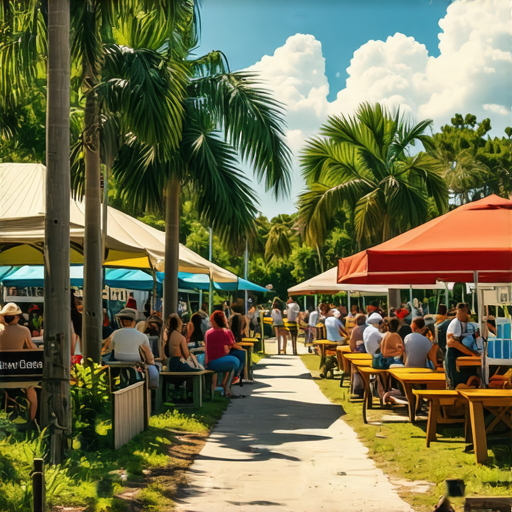
The Illusion of Prosperity in Hernando County
Everyone loves a good story about economic growth, especially when it involves shiny new businesses sprouting up. But if you think Hernando County’s latest wave of openings signals a genuine turnaround, think again. The truth is, this resurgence is more illusion than reality—an elaborate mirage created by slick marketing and superficial hype.
You’re probably excited about the four new businesses launching this spring, from trendy shops to service providers. But I argue that these are merely the latest smoke and mirrors—designed to distract us from deeper, systemic issues that threaten the county’s long-term stability. This isn’t the dawn of a new golden age; it’s a carefully curated facade.
The Market Is Lying to You
First, let’s be honest: hype sells. The local chambers and boosters love to trumpet every new storefront as proof of prosperity, but these openings often mask underlying weaknesses. Many of these new ventures are small, niche, or even temporary, making their impact negligible in the grand scheme. It’s like putting lipstick on a pig—certainly a prettier picture, but the pig remains.
Furthermore, many of these businesses are just relocating or rebranding existing ones, not creating new value. Take a look at the latest openings in Brooksville or Sterling Hill. These are strategic moves aimed at preserving business as usual, not necessarily fueling a genuine economic boom.
So, why are we still falling for this charade? Because it’s easier to celebrate small wins than confront the fact that Hernando’s growth is fragile, existing mostly on borrowed optimism.
The Hard Truth About Local Business Growth and Its Limits
What we’re witnessing is a version of expansion that resembles a game of musical chairs—lots of movement, but no real increase in the number of available seats. The county’s real economic engine remains underpowered, leaning heavily on retirees, tourism, and a few opportunistic entrepreneurs.
Contrary to what some local media would have you believe, this isn’t a sign of a thriving economy. It’s more like a shell game—businesses appear, but the fundamentals haven’t changed. When the next recession hits or the market corrects, these new businesses may vanish just as quickly as they appeared. And if you’re hoping these openings will create sustainable jobs or long-term growth, I suggest you brace for disappointment.
Why This Fails and What No One Is Telling You
Local officials and developers are quick to point to these openings as proof of progress, but that’s a lie we tell ourselves to avoid facing reality. Real growth requires investment in infrastructure, education, and quality of life—things that don’t get built with just a new coffee shop or boutique.
If Hernando County truly wanted to transform its economic landscape, it would prioritize long-term strategies, like attracting larger employers and fostering innovation hubs. Instead, we’re financing quick flash-in-the-pan ventures that won’t stand the test of time. As I argued in my recent critique of Hernando’s development policies, relying on superficial indicators is akin to rearranging deck chairs on a sinking ship.
The Need for a Hard Look at Our Future
In the end, the problem isn’t the new businesses—it’s the narrative we tell ourselves about progress. This spring’s openings are a distraction, not a solution. If Hernando County wants to be more than a retirement haven with empty storefronts, it needs to confront its fragility and demand honest, long-term planning. Otherwise, we’re just watching a house of cards tremble in the breeze.
For more insights on how Hernando’s growth can be made sustainable, check out my analysis of local development strategies here. Remember: real progress takes more than just a handful of new shops—it requires backbone, vision, and honesty.
The Mirage of Prosperity: A Closer Look at Hernando County
The shiny new openings—be it a boutique or a café—are presented as proof that Hernando County is on the rise. But appearances deceive. These surface-level successes mask a deep-rooted fragility in the local economy. To truly grasp why, we must follow the money and scrutinize who benefits from this facade.
In the past, similar patterns emerged during the Florida real estate bubble of the mid-2000s. Developers flooded markets with new properties, marketing them as signs of everlasting growth. When the crash came, those glittering projects vanished overnight, leaving communities with empty homes and debts. Hernando’s current boom mirrors that cycle—drama without substance, hype divorced from reality.
The Beneficiaries of the Illusion
It isn’t the average resident who reaps long-term gains. Instead, local officials and certain business owners capitalize on this constant churn, supporting policies that favor quick wins. They stage these openings—each a staged photo op—designed to lure in investors, tourists, and temporary workers, all while systemic issues—like infrastructure or affordable housing—remain unaddressed.
Particularly troubling is how some of these entrepreneurs are rebranding existing establishments, giving an illusion of renewal without genuine reinvestment. It’s a shell game: new signs, new slogans, but the same old structures. The real beneficiaries are those holding stakes in property and development, not the community at large.
The Roots of Fragility in Hernando’s Growth
The core problem isn’t the new businesses—they are symptomatic. Hernando’s economy is rooted in demographic trends that favor retirees and short-term tourism, not sustainable industries. This reliance creates a fragile foundation, akin to a house built on shifting sands. When market conditions change—whether through increased competition or economic downturn—the whole structure could collapse.
Furthermore, the supposed success stories are often inflated by selective data. For instance, the reported increase in storefront openings overlooks the stagnation in high-wage jobs. The new venues might generate buzz, but they almost never change the fundamental economic landscape—a landscape that remains heavily dependent on a transient population dipping in for seasonal income or retirees seeking tranquility.
The False Narrative of Local Development
Local officials perpetuate the myth of progress, touting every new venture as a victory. But these proclamations ignore that infrastructure improvements—transportation upgrades, educational investments, healthcare—are necessary for long-term viability. Without them, Hernando is merely rearranging deck chairs on a sinking ship, as the old adage goes.
This pattern isn’t coincidental. Those benefiting financially from recent development push the narrative that Hernando is flourishing, deflecting attention from structural deficiencies. They know that admitting the truth would undermine confidence—and their profits.
What the Evidence Reveals: A Rhetorical House of Cards
The evidence is crystal clear: what appears as growth is often a façade crafted to serve specific interests. These new shops and boutique openings are akin to a veneer—attractive but superficial. Behind that veneer, the fundamentals remain unchanged: weak industry diversity, reliance on a transient demographic, and underinvestment in infrastructure.
Looking back at the Florida boom-bust cycles, the pattern is unmistakable. When the illusions fade, the economic hangover hits hard, leaving communities to pick up the pieces. Hernando hasn’t learned from history; instead, it is repeating it, dressed in a new outfit of superficial prosperity.
Until there’s acknowledgment of these realities, the “growth” in Hernando County remains a fragile illusion—something to be exposed, not celebrated.
The Trap
It’s easy to see why people believe Hernando County’s recent openings signal a genuine economic revival. Critics often point to the influx of new businesses, community events, and infrastructure projects as proof that the county is on the rise. These proponents argue that such signs demonstrate vitality, prosperity, and a promising future for residents and investors alike.
The Wrong Question
I used to think these visible signs were the best indicators of a healthy economy—until I recognized a crucial oversight. The real question isn’t about how many new shops or festivals appear on the surface but about what underlying factors support sustainable growth.
When assessing economic health, focusing solely on superficial markers is shortsighted. What truly matters is whether these developments are backed by tangible, long-term investments in infrastructure, education, and industry diversification. Surface-level growth, no matter how shiny, can mask systemic weaknesses that threaten to unravel once the initial excitement wanes.
Why This Perspective Misses the Mark
The predominant counterargument is that these new businesses and community events generate jobs, boost local economies, and attract tourism—everything needed for prosperity. But this perspective overlooks several critical realities. Many of these ventures are small-scale, niche, or even transitory. They might temporarily fill vacant storefronts or draw crowds, but they rarely establish the deep roots necessary for lasting economic stability.
Plus, the emphasis on quantity over quality leads to a misleading narrative. An increase in storefront openings doesn’t automatically translate into higher wages, improved infrastructure, or broad-based industry growth. These so-called successes often hide the fact that Hernando’s economy remains heavily dependent on retirees, seasonal tourism, and short-term fixes rather than diversified, resilient industries.
This focus on immediate gratification rather than strategic planning reflects a fundamental misunderstanding of what genuine growth entails. Quick wins may boost short-term appearances, but they don’t replace the need for infrastructure investments or educational reform that foster sustainable development.
Addressing the Critics’ Arguments with Clarity
Critics might argue that any sign of activity is worth celebrating and that macroeconomic indicators take time to evolve. That’s true, but celebrating superficial signs without analyzing their depth or sustainability is akin to building a house on quicksand. What appears firm today may sink tomorrow.
Another flawed assumption is that attracting a handful of new businesses or hosting large festivals will transform the economic landscape. Based on history, these are often cyclical, relying on transient booms rather than creating enduring foundations. Hernando’s growth has all the hallmarks of a house of cards—impressive at a glance but fragile under pressure.
It’s vital to recognize that true progress demands vision and patience, not just flashy signs and fleeting successes. Investors, residents, and policymakers should prioritize long-term strategies—like fostering higher-wage industries and improving infrastructure—over the allure of surface glitz.

The Cost of Ignoring Reality in Hernando County’s Growth
If we continue to dismiss the superficial gains and ignore the warning signs of deeper economic fragility in Hernando County, the consequences could be dire. We are standing at a crossroads where inaction today sets the stage for irreversible damage tomorrow.
Right now, the county’s reliance on transient industries, seasonal tourism, and short-term development projects creates a fragile foundation. If we turn a blind eye, this fragile structure will soon crack under economic pressure. The illusion of prosperity might last for a while, but once the tide turns, the fallout will be devastating.
Imagine a house built on shifting sand, where each passing year erodes the stability beneath it. When storms hit—be it recession, market correction, or demographic shifts—the house will collapse, leaving residents and businesses in ruin. The longer we cling to false optimism, the higher the stakes grow. In five years, Hernando could resemble a ghost town, with empty storefronts and abandoned developments echoing past failures, but far worse because the warning signs were ignored.
This is a classic case of wasted opportunity. Our failure to acknowledge the systemic issues now means we forgo the chance to build a resilient, diversified economy. Instead, we risk entrenching the very fragility that could devastate our community in the near future.
What are we waiting for? Waiting until the economic structures crumble will be too late to prevent widespread hardship. The time to act is now—by investing wisely, diversifying industries, and addressing the core issues that threaten to turn Hernando County into a cautionary tale of complacency.
If these warnings go unheeded, Hernando’s future may resemble a house of cards, standing tall until the inevitable gust of economic turmoil sends it tumbling. The stakes have never been higher, and the choice is ours: recognize the signs and change course, or watch our community’s foundation collapse beneath us.
The Final Verdict
Hernando County’s recent surface-level developments are a fragile illusion that masks deeper economic vulnerabilities, demanding urgent and honest reevaluation from its residents and leaders.
The Twist
What if the shiny new openings and festivals are not signs of growth but the very cracks that reveal our economic house of cards ready to collapse?
Final Challenge
It’s time to wake up and demand a future rooted in resilience and genuine progress, not fleeting illusions—because complacency today threats a barren tomorrow. For real insights on building sustainable growth, explore `https://hernandocountyinsider.com/hernando-county-news-2026-trash-collection-schedule-changes-2` and reconsider where Hernando is truly headed—your silence only sustains the chaos.