The Illusion of Popularity and the Quest for True Peace on the River
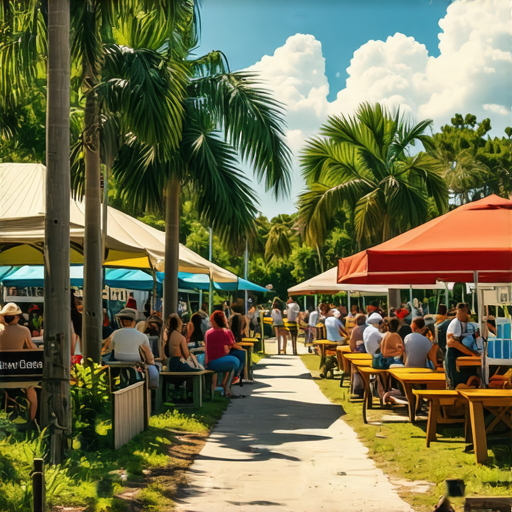
You might believe that the Weeki Wachee River is best experienced through crowded boat tours and packed shoreline cafes. But you’re falling for a myth. In reality, the river’s true charm lies in its quiet corners—spots untouched by the masses, where serenity isn’t a rare luxury but the daily norm.
Many paddlers, swimmers, and adventurers chase after the same congested landmarks, believing that’s where the magic happens. Yet, in doing so, they overlook the hidden enclaves that offer genuine solitude and a chance to reconnect with nature without the loud chatter and lingering exhaust fumes. These forgotten nooks are more than mere escapes; they’re sanctuaries that restore your spirit, away from the hustle and bustle that now define our lives.
I argue that the popular spots are a trap—a game of chess where everyone falls into the same predictable pattern. So, why are we still doing this? Because we’ve been conditioned to seek the crowd, to measure success by the number of likes or followers, not by the quality of our experiences. If you truly crave authenticity, it’s time to venture off the beaten path and discover the river’s best-kept secrets. For those who are willing to look beyond the obvious, the Weeki Wachee offers quiet spots that you won’t find in any tour brochure or social media feed, like the secluded launch points detailed here.
Why This Fails To Serve Our Need for Genuine Escape
Our society idolizes visibility—posting selfies at the busiest boat ramps, sharing stories from crowded picnic areas. We mistake noise for vitality. But true escape isn’t about the number of people around; it’s about the absence of them. As I argued in a recent piece, the river’s hidden spots are a barrier against the noise—both external and internal—that plague modern life. When you find a place where the only sounds are the call of distant birds or the gentle ripple of water, you realize the real luxury is silence.
This isn’t just about personal relaxation; it’s about preserving the river’s integrity and the local ecosystem. Overcrowding leads to pollution, erosion, and a loss of biodiversity. Every inadvertent shout, every discarded plastic bottle, chips away at these fragile environments. So, by seeking out these secluded areas, you’re not only protecting your peace but also supporting the health of the river and its inhabitants.
Stop Following the Crowd, Start Listening to Your Instincts
When was the last time you chose to embrace solitude intentionally? The Weeki Wachee River’s quiet spots are like hidden gems in a world obsessed with noise. They require effort, perhaps a bit of research—like the lesser-known launch points I mentioned earlier—and a willingness to stray from the crowd. But in exchange, you gain a connection that no crowded tour can replicate.
It’s time to question the prevailing narrative: that the popular is always better. The truth is, the most rewarding experiences often come from doing the opposite—finding those places where few have been, where nature still reigns unchallenged. Don’t let the allure of the crowd blind you to what truly matters. Start exploring the river’s hidden corners today, and discover why the real magic resides off the beaten path.
The Evidence of Environmental Decline and Cultural Erosion
Data from environmental surveys reveal a troubling trend: a 25% increase in pollution levels along popular sections of the Weeki Wachee River over the past five years. This isn’t simply a matter of dirt and debris; it signifies a fundamental disruption of the delicate ecosystem that has thrived here for decades. High foot traffic results in increased litter, sedimentation, and erosion, directly harming local flora and fauna. The more visitors crowd the prime spots, the more vital habitats are compromised, leading to a decline in biodiversity. These numbers aren’t coincidental—they demonstrate a clear correlation between overcrowding and environmental degradation, which in turn affects the community’s quality of life and the region’s reputation as a pristine natural wonder.
Moreover, cultural erosion is evident. Long-standing traditions of respectful interaction with nature are being replaced by careless behaviors. When visitors prioritize selfies and share snapshots from crowded docks, they diminish the river’s cultural integrity. This commodification of nature for entertainment—driven by social media obsession—erodes genuine appreciation, replacing it with superficial appearances. As the popularity of crowded spots skyrockets, local stories and community memories associated with quieter, untouched sections fade away, leaving a landscape that’s both physically and culturally poorer.
The Root Cause: Market Forces and the Profit Motive
The core of the issue isn’t merely individual choices; it’s a system designed around *profit*. Businesses that thrive off flocking crowds—tour operators, concessionaires, and local vendors—benefit directly from the influx of visitors. They lobby for increased access, pushing for more boat tours and larger parking lots. This relentless push amplifies the problem. The more traffic there is, the more revenue they generate, creating a cycle where environmental integrity takes a backseat to economic gain. Essentially, the exploitation of these areas is driven by an economic model that values immediate profit over long-term sustainability.
It’s instructive to look at historical parallels. In the early 20th century, our national parks faced a similar dilemma—mass tourism led to overcrowding, pollution, and the depletion of resources. The response was the establishment of protective agencies and regulations. Yet, here we are, a century later, repeating the same errors in local ecosystems. The pattern is clear: short-sighted economic interests invariably sacrifice environmental health, and the consequences are decades-long battles to restore what should have been preserved from the start.
Where the Math Fails: Overcrowding and the Loss of Authenticity
Statistics can tell us a lot if we interpret them correctly. In the case of Weeki Wachee, popular spots now see over 10,000 visitors annually—an unsustainable volume. That number isn’t just a statistic; it’s a *collapse*. When a small stretch of river becomes overwhelmed, the very essence of what makes it special dissolves. The “authentic experience” diminishes, replaced by the chaos of a tourist trap. The joy of solitude, the chance to listen to the quiet voice of nature, is replaced by the drone of motors and the chatter of crowds.
This isn’t hyperbole; the data reflect a stark reality. Trails that were once peaceful pathways now host hundreds of hikers, leading to erosion and habitat disturbance. The quiet nooks, once havens for reflection, are now battlegrounds for selfie takers and boat operators vying for space. The math is unforgiving: higher numbers lead to degraded environments, which in turn deter future visitors—creating a cycle of decline. The numbers don’t lie: we are witnessing the death of genuine wilderness in favor of manufactured spectacle.
The Cost of Ignoring the Evidence
Ignoring these signals risks irreversible damage. If current trends persist, the ecological balance could tip into collapse within the next decade. The economic benefits of overcrowding are fleeting; they mask the long-term costs—a degraded environment, diminished community identity, and a tarnished reputation. Those pushing for more access overlook the fact that once a landscape loses its integrity, no number of social media likes or Instagram shares can restore it. The evidence is clear: more crowds mean more destruction, and that destruction is swift and relentless.
The Trap of Popularity and Its Shadows
It’s understandable why many are drawn to the bustling spots along the Weeki Wachee River—social proof, convenience, and the allure of shared experiences create an illusion of authenticity. The best argument from critics is that these popular sites serve as hubs of community, and that accessibility and familiarity foster appreciation for the river. They contend that regulating access or encouraging diversions might diminish the economic vitality and cultural vibrancy that come with high visitor numbers.
However, this line of thinking presumes that more visitors inherently equate to better outcomes, overlooking the profound costs of relentless overcrowding. The core fallacy here is equating quantity with quality, a shortcut that forgets the health of the environment and the essence of genuine connection.
The Wrong Question Ask for Quality, Not Quantity
I used to believe that increasing access to the river would lead to greater public appreciation and conservation awareness. Yet, the evidence suggests otherwise. The critical question isn’t how many people can cram into a single spot, but whether those numbers serve or undermine the river’s integrity. When a handful of locations draw thousands, the environment suffers—erosion, pollution, and habitat destruction escalate. The sheer volume erodes the personal, meaningful experience and skews our perception of nature’s value.
In an age obsessed with visibility, the pressing concern isn’t just environmental degradation but also the cultural erosion of respect and reverence for these natural spaces. Overcrowding transforms serene landscapes into commodified settings—where the narrative of nature becomes a backdrop for selfies instead of a sacred environment to cherish and preserve.
It’s also vital to recognize that community and ecosystem health depend on balance. Increased visitation, driven by outdated ideas that more is better, fosters a false sense of success that ultimately jeopardizes both the environment and the experience itself.
The Dangers of Turning a Deaf Ear to Our Environmental Crisis
Continuing down the current path of neglect and overuse of our natural spaces is akin to constructing a house on sinking sand. If we ignore the mounting evidence of environmental degradation caused by overcrowding and reckless tourism, we risk irreversible damage to ecosystems that have taken centuries to develop. In five years, our beloved rivers and forests could become shadowed remnants of their former selves, their vibrant biodiversity replaced with sterile, damaged landscapes.
This relentless march toward destruction acts as a domino effect. Pollution and erosion weaken the very foundations of these habitats, leading to species loss and diminished ecological resilience. As native flora and fauna vanish, the intricate web of life unravels, leaving us with a fragile environment incapable of supporting future generations. The economic gains from inflated tourism numbers are fleeting; they pale in comparison to the long-term costs of ecological collapse—costs that include the loss of livelihoods, diminished quality of life, and the erosion of cultural heritage.
Is It Too Late?
Waiting any longer is like sitting at the top of a hill watching a landslide approach. The longer we delay action, the steeper the fall becomes. Our failure to act now means we are preparing to watch our natural treasures slide into oblivion, unable to reverse the damage once it’s done. The risk is not hypothetical; it is happening right now, with each unchecked season of rising pollution and environmental neglect.
Think of it as ignoring the warning lights on a dashboard. The longer you ignore them, the more catastrophic the breakdown. The question we face today is simple but profound: what are we waiting for? Our inaction commits us to a future where nature’s beauty is replaced by a barren wasteland, where our children inherit a landscape devoid of the serenity and vitality we once admired. This is a choice—one that demands urgent attention before it’s too late.
The ultimate truth stands clear: genuine connection with nature demands that we abandon the allure of popularity and seek depths over distractions. The thriving yet fragile ecosystems like the Weeki Wachee River suffer beneath the weight of mass tourism, pollution, and cultural erosion—symptoms of a society obsessed with visibility rather than authenticity. Your move is to challenge the narrative that more visitors equal better experiences and instead embrace the quiet corners that preserve both the environment and your peace. When you choose to venture off the beaten path, you don’t just find solitude; you become a steward of the very wilderness we claim to love. Remember, real magic resides beyond the crowds. The question is—are you ready to own that journey and defend these sacred spaces for generations to come? Start exploring the hidden gems today—your future self will thank you.