Small Museums, Big Secrets: Why You’ve Overlooked Them
If you think you’ve seen all Brooksville has to offer, think again. The town’s hidden gems—tiny museums tucked away—are more than just relics of the past; they’re gateways to understanding a community that’s been underestimated for too long.
I argue that these unassuming institutions hold the keys to local identity, culture, and history. Yet, most residents and visitors pass by without a second glance, unaware of the treasures they contain. It’s as if we’re spectators at a chess game, watching the pieces move while ignoring the board.
Why does this matter? Because in ignoring these museums, we’re selling ourselves short. We’re missing the stories that could connect us to our roots, inspire our children, and challenge our perceptions of what a museum can be. I challenge you to look past the facade and discover these overlooked landmarks—because they’re essentials in understanding Brooksville’s true heart.
Stop Overlooking the Small and Seize the Local History
One of the most disappointing habits is dismissing small museums as insignificant. But these sites are the pulse of our community, often run by passionate volunteers who breathe life into forgotten corners of history. For instance, the Hernando Heritage Museum offers an authentic glimpse into our county’s past, revealing stories you won’t find in textbooks.
Another gem is the Hernando County Civil War Museum, which unearths local tales of conflict and resilience. These aren’t just dusty relics; they’re lessons wrapped in artifacts, waiting for curious minds to interpret them. And yet, many of us walk past, unaware of the depths these spots provide for education and community pride.
Let’s be honest: How many of us have truly explored the Hernando County Museum Complex? This place challenges the narrative that small museums are peripheral. Instead, it’s a vital tapestry of our collective memory. To ignore it is to ignore ourselves.
The Treasure Hunt in Your Backyard
Finding these museums is like uncovering hidden treasure—invisible to many but invaluable to those who seek authenticity. And the best part? They’re located right in Brooksville, a town often overshadowed by nearby tourism hotspots. As I argued in my previous articles, true local flavor is often overlooked because we’re too busy chasing larger attractions.
In truth, these small museums demand our attention because they’re accessible, affordable, and packed with stories that can’t be found elsewhere. Visit the Hernando County Genealogical Society or the Hernando County Railroad Museum—each offering a different perspective on the story of this land. If we take the time to explore, we’ll realize that they’re not just dusty halls but portals to understanding who we are.
Now’s the Time to Rediscover Brooksville’s Best-Kept Secrets
So, why are we still walking past these places? Because it’s easier to consume superficial entertainment than to engage with our roots. But I promise, the payoff is worth the effort. These small museums aren’t just about nostalgia; they’re about owning our identity and inspiring future generations to care about where they come from.
Stop worrying about missing out on the latest trend—these hidden museums are the real trendsetters in cultural preservation. They’re small but mighty, waiting to change how you see Brooksville forever. Ready to challenge yourself? Dive into these lesser-known sites and see what stories await inside—because history isn’t just in textbooks; it’s on your doorstep.
The Evidence That Small Museums Drive Community Identity
Contrary to popular belief, small museums in Brooksville are not mere relics of the past but vital connectors to our local roots, culture, and community pride. These institutions—run by passionate volunteers and local historians—preserve stories that larger museums often overlook. For example, the Hernando Heritage Museum offers an authentic narrative of our county’s evolution, brimming with artifacts and tales inaccessible elsewhere. These stories aren’t just educational; they foster a sense of belonging, anchoring residents to their shared history.
A Flawed System Neglects Local Heritage
The problem isn’t that these museums are insignificant but that systems—funding, policy, and public perception—fail to recognize their value. Funding flows disproportionately toward flashy attractions and large-scale initiatives, leaving these intimate sites underfunded and undervalued. This pattern isn’t random; it’s a consequence of systemic priorities that favor spectacle over substance. Consequently, our community’s collective memory faces erosion, and opportunities for authentic cultural engagement diminish.
Follow the Money: Who Benefits from Marginalizing Small Museums?
Big tourism corporations and entertainment giants benefit when local history is sidelined. They promote large, surface-level attractions, drawing tourists away from authentic experiences that small museums embody. By focusing resources on bigger players, these entities consolidate influence and profit, leaving local narratives in the shadows. This economic shift isn’t neutral; it systematically benefits a few at the expense of community richness, creating a cycle where genuine history becomes an afterthought.
How the Math Fails Our Heritage
Budget allocations often appear justified by superficial metrics—visitor counts, revenue generated—but these numbers hide the real value small museums provide. When evaluated through a different lens, their cost-effectiveness and community impact are profound. For instance, each dollar invested in these institutions translates into cultural resilience and educational opportunities that benefit generations. Yet, the math used to allocate funds is skewed, minimizing the importance of preserving intangible assets—stories, memories, identities—that money can’t quantify.
Conclusion: Recognizing the Unsung Heroes of Our Heritage
The misallocation and neglect of small museums in Brooksville reflect a broader failure to appreciate local history’s true worth. They aren’t just quaint relics; they are the custodians of our identity. The systemic priorities that overlook them aren’t accidental—they reveal where societal values lie. Addressing this imbalance requires acknowledging that these institutions are not optional but essential. Their survival depends on our recognition that preserving roots isn’t just sentimental—it’s foundational to the community’s future.
The Trap
It’s easy to see why many dismiss small museums as insignificant, viewing them as mere clutter or relics overshadowed by grander attractions. Critics argue that these institutions lack the infrastructure to truly impact education and community development, claiming their limited reach diminishes their relevance in a rapidly modernizing world.
Challenge the Assumptions
I used to believe that larger museums or high-tech attractions were the only avenues for meaningful cultural engagement. But recognizing this oversimplification reveals a critical flaw: equating size and state-of-the-art facilities with community value is shortsighted. Small museums, often run by dedicated volunteers, preserve authentic stories and foster personal connections that larger institutions struggle to replicate.
The best argument against my viewpoint might be that resources are finite, and perhaps investing in larger, more visible attractions offers a better return on community engagement. Yet, this overlooks a fundamental economic and cultural truth: depth trumps breadth. Small institutions provide tailored, localized experiences that cultivate community pride and continuity in ways mega-projects cannot achieve.
Don’t Be Fooled by the Size
The mistake everyone makes is perceiving small museums as secondary to their larger counterparts, neglecting their intrinsic influence. These sites are often the first touchpoints for youth, seniors, and tourists seeking genuine understanding of local heritage. Dismissing them because of their size diminishes their potential to serve as anchors for community identity and resilience.
Moreover, such dismissiveness ignores the innovative ways in which small museums adapt. For example, some integrate technology seamlessly, creating interactive exhibits that appeal to a new generation. The narrative that small museums are outdated or ineffective is simply false—it’s a barrier to progress that prevents communities from leveraging their full cultural potential.
The Uncomfortable Truth About Resources
An often-overlooked aspect is the systemic underfunding and undervaluing of small museums, which creates a vicious cycle. Critics argue that investing limited resources into them isn’t justified given their perceived impact. However, this view neglects the social return on investment—community cohesion, local economic stimulation, and educational outreach—that these institutions reliably generate.
It’s an uncomfortable fact that the broader system benefits from marginalizing small museums because it favors spectacle over substance. The larger entities and tourism interests have a vested interest in showcasing grand attractions, diverting public and private funds away from the small-scale but deeply impactful community sites. Recognizing this is vital if we aim for a more equitable cultural landscape.
The Real Question Is
Instead of asking if small museums are worth the investment, we should be questioning whether our systemic priorities align with community needs. The real issue isn’t their size or standalone impact but how society recognizes and integrates local heritage into the fabric of daily life.
The Cost of Ignoring Our Heritage in Small Museums
If we continue to overlook the significance of small museums, the consequences will unfold like a slow-moving disaster, eroding the very fabric of our community identity and history. These institutions are more than mere relics; they are the guardians of our collective memory and culture. Ignoring their value sets off a chain reaction that threatens to leave future generations without a sense of belonging or understanding of their roots.
Imagine a world where local stories fade into oblivion because the systems designed to preserve them have failed. As time progresses, the gap between past and present widens, creating a disconnect that manifests in fragmented communities and a loss of shared identity. This is not a distant possibility but a near-future reality if we let our neglect continue unchecked.
In five years, the landscape could resemble a hollow shell of what once was, with big attractions and superficial entertainment dominating while authentic local history is confined to dust-covered shelves. Communities will become tourists in their own towns, lost in a sea of manufactured experiences that lack depth and meaning. The rich tapestry woven by generations will be unraveling, replaced by a superficial veneer that offers little substance or pride.
This downward spiral mirrors an analogy of neglecting a garden—if you ignore the weeds early, they quickly overrun the cultivated flowers, choking out the life and beauty that once thrived. Our small museums are the carefully tended blooms; if left unattended, they perish, and so does the authenticity of our community’s story.
What are we waiting for?
Time is slipping away, and the opportunity to preserve and cherish our local heritage is fading rapidly. Our neglect is tantamount to surrendering our history to oblivion, and in doing so, we forfeit the chance to learn, grow, and connect. The longer we delay, the more irreversible the damage becomes, leaving future generations to lament what we failed to protect. The question is not just about preserving artifacts but safeguarding the very soul of our community—before it’s too late.
Your Move
The small museums scattered across Brooksville and Hernando County are more than dusty relics; they are the heartbeat of our local identity. Yet, in a world chasing grand attractions, we’ve sidelined these intimate treasures, missing vital stories that only our community can tell. It’s time we recognize that investing in these small institutions isn’t just about preservation—it’s about reclaiming our narrative.
Every artifact in the Hernando Heritage Museum, every artifact in the Hernando County Civil War Museum, whispers stories of resilience, culture, and belonging. By exploring these sites, we bridge the gap between the past and the present, fostering a sense of pride that no tourist trap can replicate. Remember, real community strength lies in what we nurture locally, not what we export for fleeting fame.
Think about the countless volunteers pouring their passion into these museums—true custodians of our shared legacy. Their efforts are pages in a book that defines who we are. Ignoring them is akin to turning a deaf ear to our own history, and the consequences—eroded community cohesion and lost pride—are too costly.
As resources are funneled away from these small but mighty institutions, major tourism interests flourish, pulling our stories into the shadows while we chase superficial entertainment. This systemic imbalance benefits a select few at the expense of our collective memory.
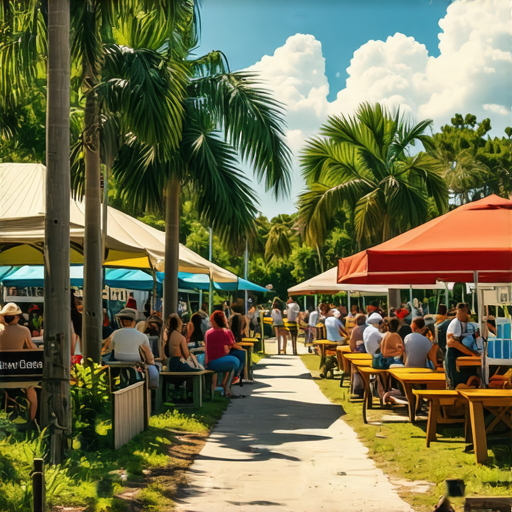
Math may favor splashy attractions, but community impact isn’t measured solely in numbers. Every dollar invested in these museums extends beyond artifacts—it fuels education, instills pride, and preserves the intangible fabric of our community. This interconnectedness can be further explored at local events and markets, where history and community thrive side-by-side.
What Are We Waiting For
Imagine a future where local stories are forgotten, buried beneath layers of neglect. The slow erosion of our heritage isn’t an inevitability; it’s a choice. Each moment we ignore these museums, we abandon a vital part of ourselves—our roots, our stories, our resilience. We risk becoming tourists in our own town, strangers to what made us who we are.
So here’s my challenge: step past the illusions of scale and spectacle. Dive into the small museums, connect with the passions guarding our memories, and realize that the true power of community lies in its roots. Visit, support, and treasure these institutions—because in doing so, we safeguard not just artifacts, but the very soul of Brooksville and Hernando County.
When community recognizes its own heritage, it ignites a ripple that extends far beyond dusty shelves. Let this be the moment that transforms bystanders into guardians of our history. Remember, the strength of a community is measured not by its grandest monuments, but by its smallest, most authentic stories.
The Bottom Line
You hold the power to change the narrative. Embrace the small museums that quietly shape your identity. Turn the tide against systemic neglect. Your choice today determines whether our community’s story continues to thrive or fades into oblivion. Don’t wait for someone else to do it—be the catalyst for rediscovering our roots.