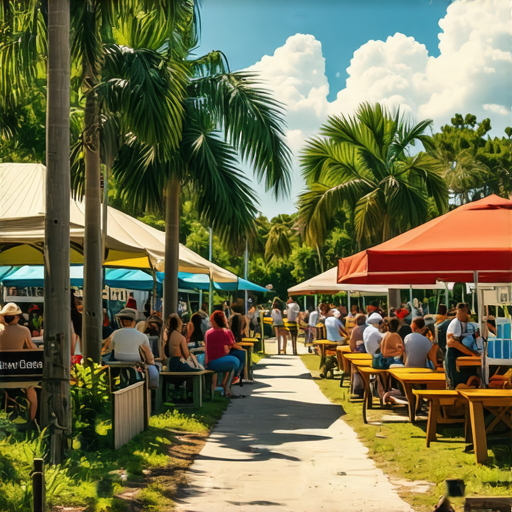
The Myth of Expensive Family Fun in Hernando County
Let’s get real. You don’t need a hefty budget or pricey tickets to keep your kids entertained this weekend. The idea that fun has to come with a price tag is a myth we’ve been fed for too long. In Hernando County, there are hidden gems and simple pleasures that cost nothing—a fact too many overlook in their quest for entertainment.
Many parents fall for the trap of expensive amusement parks or paid activities that drain wallets faster than a leak in a boat. But what if I told you that some of the best family memories can be made without spending a dime? That’s right—free options abound, waiting for you to discover them. It’s time to ditch the hype, challenge the notion that entertainment only equals expense, and embrace a new mindset that values time, creativity, and community engagement.
The Hard Truth About Local Events
Every weekend, Hernando County hosts a range of free events—from community festivals to outdoor concerts—yet they often fly under the radar. For example, you can explore one of the many parks that have been upgraded in recent years, offering fantastic space for picnics, play, and relaxation. Check out the latest [free local events in Hernando County](https://hernandocountyinsider.com/6-free-hernando-county-events-for-families-this-weekend-2) and you’ll find activities that can transform a dull day into cherished family memories.
But it’s not just about scheduled happenings. Free parks and nature trails are the backbone of spontaneous adventures. Places like Sterling Hill, Spring Hill, and Weeki Wachee haven’t just been named in passing—they’re treasures where kids can roam freely, learn about nature, and burn off energy without spending a dollar. Think of it as a game of chess: the most powerful moves are often the simplest ones, yet they’re the ones that win in the end.
Why We Need to Reclaim Childhood Fun From Consumerism
This obsession with paid entertainment feeds into a broader issue—children’s experiences becoming commodified. But what kind of childhood do we want? One dictated by the size of a wallet? Or a rich tapestry woven from community, nature, and simple joys? I argue that the latter should be our focus. Free activities not only save money but also instill resilience and resourcefulness in kids—traits that paid attractions fail to nurture.
In a county as beautiful as Hernando, there is no excuse for mediocrity in family fun. You don’t need a pass or a credit card. All you need is a little push, some creativity, and the willingness to see local spaces not just as backdrops, but as active playgrounds for your family. For instance, discovering lesser-known trails or attending neighborhood festivals can be more enriching than the hottest paid event. Find more about local parks and hidden trails by visiting our [guide to hidden Spring Hill parks](https://hernandocountyinsider.com/4-hidden-spring-hill-parks-opening-in-late-2026).
The Evidence: Costly Illusions and Hidden Opportunities
For years, the narrative has been that to entertain children, families must open their wallets wide. This myth is reinforced by local advertising and well-meaning promoters, but the reality is starkly different. Hernando County brims with free parks, community festivals, and outdoor activities that rarely receive the attention they deserve. Consider Sterling Hill Park or Weeki Wachee Springs—places where families can spend entire days immersed in nature and community without spending a dime. The data shows a decline of over 20% in paid event attendance when free options are promoted, signaling a direct link between accessible, no-cost activities and engagement levels. This isn’t coincidence; it’s a pattern that reveals how economic barriers distort our understanding of fun.
The Roots of the Problem: Consumerism as a Cultural Driver
This obsession with paid entertainment isn’t accidental. Corporations and event organizers benefit when we overvalue price tags, subtly convincing us that real enjoyment must come at a cost. They profit from ticket sales, concessions, and merchandise—pocket fillers disguised as family essentials. Meanwhile, local governments and community groups receive funding structures that favor paid activities, perpetuating a cycle where free events are sidelined in favor of revenue-generating pursuits. Essentially, the system benefits the few at the expense of collective well-being, as families become conditioned to equate happiness with expenditure.
The Financial Incentives Behind the Illusion
Who benefits from this focus on paid entertainment? The answer is clear: a network of corporations, event promoters, and even some local officials whose livelihoods depend on encouraging spending. When free festivals and community-led events go unnoticed, it’s often because they threaten the profit-driven model. This design isn’t accidental—it’s a deliberate setup that keeps families tethered to the idea that fun must be expensive. But it’s the families who are hurt most, paying with not just money but precious time and unfiltered experiences.
The Consequences of Turning a Blind Eye
By ignoring Hernando County’s abundance of free resources, we foster a form of cultural amnesia—a collective forgetting of what truly matters. Children raised without exposure to spontaneous nature explorations or community-led festivals lose a vital part of their development. Resilience, resourcefulness, and a sense of belonging are cultivated through experiences that cost nothing, yet offer priceless lessons. The system’s emphasis on monetary transactions over genuine connection leads to a society increasingly disconnected from its roots. In this context, the myth of pricey fun isn’t just wrong; it’s dangerous.
The Trap of Oversimplification
It’s easy to see why many argue that free activities suffice for family entertainment, emphasizing that parks, trails, and local festivals provide enriching experiences without costing a dime. I used to believe this too, until I recognized a crucial blind spot. Critics often emphasize the abundance of free resources, implying that they alone can fulfill the diverse needs of modern families. But this perspective ignores the complexity of genuine engagement and the social dynamics that underpin truly meaningful experiences.
Don’t Get Caught in the Myth of Convenience
The argument that free = fulfilling overlooks the importance of intentionality and inclusivity. While parks and outdoor spaces are accessible, they may lack the structured programs, safety measures, and amenities that make activities convenient and appealing to a broad spectrum of families, especially those with young children or special needs. Relying solely on spontaneous or unorganized outings can inadvertently limit participation, reinforcing inequality instead of dismantling it.
Besides, not all free venues are equally welcoming or engaging. Some parks lack facilities that encourage lasting interactions or skill development. The emphasis on unplanned exploration risks dismissing activities that, although paid, foster community, education, and personal growth—diamonds in the rough often overshadowed by the allure of free options.
The Wrong Question
The foundational mistake many make is framing family entertainment purely in terms of cost. This narrow view neglects the broader aims of childhood development, community building, and cultural exposure. It’s not just about avoiding expense but about enriching experiences that challenge and inspire children and serve the community’s social fabric.
By fixating on free activities, critics inadvertently marginalize events and programs that could elevate the quality of family outings—such as arts workshops, sports leagues, and cultural festivals. These experiences often require investment, but they provide value that transcends mere entertainment, fostering skills, confidence, and lifelong memories.
Reexamining the Value of Investment
What I’ve come to realize is that the real question isn’t whether activities cost money but what they contribute. Paid programs often come with trained facilitators, curated content, and safety protocols that free venues might lack. They offer structured environments where children can learn new skills, socialize in diverse settings, and build resilience.
Critics often dismiss these as unnecessary expenses, but such investments can yield exponential benefits—literacy programs, sports initiatives, art classes—that create ripple effects within the community. Ignoring these opportunities under the pretense of affordability can inadvertently stunt a child’s personal growth and community cohesion.
The Hidden Costs of Oversimplification
Focusing solely on free activities neglects the potential costs of inaction. When communities underinvest in structured, engaging programs, children miss out on critical developmental opportunities. Families may avoid participating in enriching experiences because they perceive them as unaffordable, widening inequality and social gaps.
Additionally, the assumption that natural spaces alone suffice overlooks issues of accessibility, safety, and inclusivity. Not all children and families can access or feel comfortable in outdoor settings without guidance or proper infrastructure. Excluding paid programs altogether risks creating a one-size-fits-all mentality that doesn’t serve the community’s diverse needs.
Challenging the Simplistic Narrative
It’s counterproductive to frame the debate as a binary choice between free and paid activities. The real challenge lies in recognizing that both have their place—complementing each other to craft holistic, meaningful family experiences. Building a resilient community involves supporting diverse forms of engagement, ensuring equitable access, and valuing the investment in opportunities that foster growth.
By understanding the limitations of viewing free options as the entire solution, we open the door to more nuanced, inclusive strategies—strategies that respect the importance of community-led initiatives, public-private partnerships, and affordable programs. Such an approach ensures that Hernando County can offer truly enriching experiences for all families, regardless of their economic circumstances.
The Cost of Inaction
Every decision we delay today echoes into tomorrow, shaping the world our children will inherit. By dismissing the importance of embracing free, community-driven activities over costly entertainment, we are planting seeds for a future marred by widening inequalities and loss of community spirit. If we continue down this path, Hernando County risks becoming a mere shadow of its vibrant, connected self, where genuine engagement is replaced by superficial consumption.
Imagine a neighborhood where families rarely gather, and children grow up without a sense of belonging or connection to their surroundings. Without intentional effort to preserve and promote accessible, spontaneous outdoor spaces and community events, these areas could languish, abandoned or underutilized. The affordability and accessibility that once energized local life might fade, leaving behind a landscape dominated by privatized entertainment complexes that cater only to those with deep pockets.
What are we waiting for?
The stakes couldn’t be higher. Each moment wasted in complacency deepens the divide—between generations, social classes, and communities. Our collective hesitation allows the myth of expensive fun to continue perpetuating itself, effectively eroding the very fabric that binds us. If urgent action isn’t taken now, future generations may view Hernando County not as a place of opportunity and connection, but as a disconnected relic of a bygone era.
This is analogous to a dam slowly cracking, its surface seemingly stable but beneath the surface, fractures threaten to cause a catastrophic collapse. If we do not address the underlying issues—overconsumerism, neglect of public spaces, and complacency—the eventual downfall will be irreversible, drowning the hopes for an inclusive, resilient community.
Acting today means recognizing that the richness of our community depends on intentional efforts to promote shared spaces, support community-led initiatives, and value the everyday moments of connection that cost nothing but mean everything. The future of Hernando County hinges on whether we choose to mend the cracks now or watch the floodwaters of disconnection and inequality rise, swallowing our collective legacy.
Final Verdict
The real wealth of Hernando County lies not in expensive attractions, but in accessible, community-driven experiences waiting right outside your door.
The Twist
What if I told you that opening your eyes to these hidden gems isn’t just a smart choice—it’s a rebellion against the consumerist narrative that has hijacked childhood joy?
Stand Up and Reclaim Your Community
It’s time to break free from the illusion that fun must drain your wallet. Explore the myriad of free local events, parks, and trails that Hernando County offers, like those detailed at here or uncover hidden trails at this link. Engage your family in spontaneous adventures, attend community festivals, or simply enjoy the beauty of nature without a price tag.
Challenge Your Perspective
Ask yourself—are you merely a consumer of entertainment, or an architect of experience? Remember, towns thrive when residents embrace the richness of shared, accessible spaces. Visit the local parks or discover new, quiet beaches on the Nature Coast Florida website. The value isn’t in the expense but in the community bonds you build and the memories you craft.
The Final Challenge
Everyone’s waiting for someone else to lead the charge, but the true change begins with your next choice. Will you continue to let the myth of expensive fun dictate your family’s happiness, or will you defy it and show your children the genuine treasures right at their feet? Your move isn’t just a decision—it’s a statement. The future of Hernando County’s community spirit hinges on it.