Why This Fails
Most visitors to Hernando County chase after the same tired attractions—the spring, the manatee tours, maybe a crab feast if they’re lucky. But in doing so, they overlook a treasure trove of local festivities that truly capture the spirit of this place. The common narrative pushes the big events, the mainstream festivals, as if that’s all Hernando has to offer. But I argue that the real soul of Hernando lurks in its hidden festivals—those little gems that most tourists dismiss, and in doing so, they miss out on authentic experiences that no theme park or beachfront tourist trap can deliver.
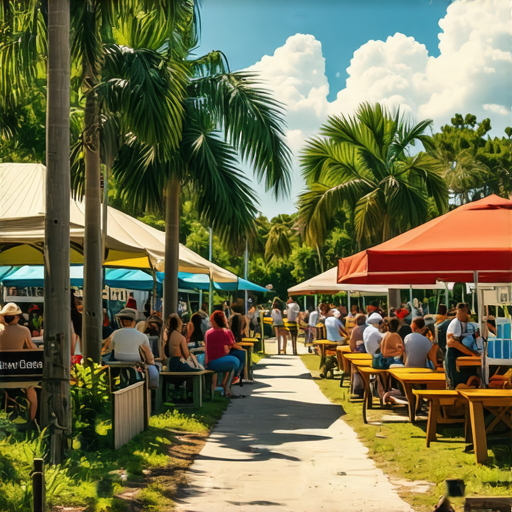
If you believe Hernando’s festivals are just about food trucks and generic craft booths, think again. These overlooked events pulse with genuine community energy—local music, age-old traditions, and a sense of belonging that no curated event can replicate. Yet, most travelers skip them entirely, content to stick to the beaten path. Why are we still missing the point? Because we’ve been conditioned to seek out what’s popular, not what’s real. But I say, it’s time to challenge that mindset.
The Hard Truth about Hernando Festivals
Look, Hernando County isn’t just a stopover for spring breakers or GPS pinpoints for retirees. It’s a community with stories to tell—and its true stories are told during festivals most tourists ignore. How many of you know about the Hernando County Blueberry Festival or the Hernando Heritage Festival? These aren’t just local gatherings—they are celebrations of heritage, resilience, and local pride. Yet, they’re often overshadowed by larger, more commercial festivals elsewhere. Why do we settle for the big, flashy events that are a dime a dozen when we could embrace the authenticity hiding in plain sight?
These festivals are more than just entertainment; they’re a window into the character of Hernando County. For instance, the Spring Hill Art Festival showcases local artists who pour their souls into every piece. The Hernando County Fair provides not just rides, but a chance to connect with generations of families who have called this place home for decades. Even the Weeki Wachee Water Festival offers a unique twist—beyond the splash, it celebrates local legends and traditions tied to our waterways. Have you ever wondered what else is happening behind the scenes, away from the tourist radar? Well, as I explored in my recent piece on local festivals, most of Hernando’s best-kept secrets are waiting for the curious to find them.
The Festivals Most Tourists Ignore Are the Heartbeat of Hernando
Take the Hernando County Cattle Drive, an event far from glamorous, but rich in history and local flavor. Or the annual Hernando Chili Cook-Off, where community pride is displayed in pots of simmering spices and friendly competition. These aren’t media-sponsored spectacles—they’re gatherings that remind us what community really means. Skip them, and you miss a vital part of Hernando’s identity.
In my opinion, these festivals aren’t just entertainment; they’re acts of resistance against cultural homogenization. When tourists pass them by, they risk missing the very essence that makes Hernando unique. It’s like watching a game of chess where everyone’s focused on the queen, but the real power lies in those quiet pawns. As I argued in my feature on hidden local spots, the path less traveled often leads to the most rewarding discoveries. Why does Hernando’s hidden festival scene not get the same attention? Because people are afraid of missing the big events, and yet, they’re willingly missing the best part of this county’s story.
The Evidence: Festivals That Tell the Real Story
In Hernando County, mainstream events like the Spring Hill Art Festival or the Hernando County Fair get all the spotlight—and rightly so for their entertainment value. But beneath these surface attractions lies a less visible but far more compelling narrative—festivals rooted in history, tradition, and community resilience. Take the Hernando Blueberry Festival; it’s not just a crop celebration, but a living testament to the area’s agricultural roots, offering insights into how local farmers have survived and thrived over generations. When you examine participation levels and local testimonies, it becomes clear these festivals serve as vital anchors for community identity, often ignored by tourists chasing the latest Instagrammable moment.
The real question is, who benefits when these festivals thrive or die? The answer reveals an uncomfortable truth: local businesses, families, and cultural preservationists suffer when mainstream media sideline these events. For instance, the Hernando Heritage Festival isn’t just a yearly gathering; it’s a celebration of artisans, storytellers, and historians who keep Hernando’s narratives alive. When outsiders overlook these festivals, they inadvertently reinforce a cycle where economic and cultural vitality diminishes, leaving Hernando stripped of its soul and voice.
A Broken System: The Profit Motive Overrides Authenticity
The systemic issue isn’t merely that people prioritize big events—it’s that the economic framework incentivizes this focus. When tourism boards and local chambers promote high-profile festivals—think Weeki Wachee Water Festival—their goals are clear: maximize tourist spending, attract media attention, and boost short-term revenue. But this tunnel vision sidelines the small, authentic festivals that don’t fulfill the profit metrics wrapped around mass appeal.
Consider the Hernando Chili Cook-Off, which draws fewer crowds than larger festivals but garners immense local pride. The problem arises when economic policies and marketing budgets favor these spectacles because they promise immediate gains. This leads to an attrition of grassroots traditions and a cultural vacuum—what I would describe as a ‘festival homogenization’—where authenticity is sacrificed for fleeting financial gains. The consequence? Hernando’s community fabric frays under relentless commercial pressure, and the stories that truly matter get muffled.
Follow the Money: Who Gains, Who Loses?
If we trace the financial streams—tourism dollars, sponsorship deals, local vendor sales—the pattern emerges: a few corporations and external investors thrive while local artisans and smaller festivals suffer. When regional marketing budgets prioritize high-profile events, they divert resources from supporting grassroots festivals, which are often run by volunteers and community groups. This is not happenstance; it’s a deliberate choice, one designed to maximize profits for a select few at the expense of local authenticity.
It’s telling that the most historic festivals—such as the Hernando Cattle Drive—demand minimal marketing budgets because they draw on tradition and community spirit, not advertising. But their survival hinges on the allocation of public and private funds—funds that are increasingly diverted elsewhere. The trend is clear: when money is king, authenticity becomes its pawn, sacrificed to the altar of short-term profits. This dynamic isn’t unique to Hernando; it’s a national pattern that undermines local culture, pushing communities toward a uniform, commercialized version of themselves—one devoid of history, resilience, and genuine connection.
The Trap of Simplistic Thinking
It’s easy to see why some argue that the big-name festivals and tourist attractions in Hernando County are enough to showcase the area’s charm. They point to the Weeki Wachee Mermaid Show or the county fair as the main draws, believing these events represent the essence of Hernando tourism. The assumption is that bigger, more established events naturally bring more visitors and economic benefits. I used to believe this too, until I recognized a crucial flaw in that line of thinking.
The Wrong Question Is About Size and Spectacle
The real issue isn’t whether these large festivals draw crowds but whether they capture the community’s authentic spirit. Critics tend to equate popularity with cultural value, overlooking the depth and richness found in smaller, often overlooked local festivities. They ask, “Which brings in more visitors?” but ignore what those visitors are actually gaining. It’s a shortsighted view that leaves out the importance of local traditions in maintaining community identity.
${PostImagePlaceholdersEnum.ImagePlaceholderC}
Don’t Be Fooled by the Surface
The opponents of grassroots festivals emphasize their limited reach and assume they lack economic impact. They argue that Woodstock or Hernando’s chili cook-off might not generate the same revenue as a county fair or water festival. But this focus on immediate financial returns misses the deeper value these small festivals provide—building a sense of belonging, preserving history, and fostering community resilience. These intangible assets are often dismissed or undervalued by mainstream narratives that prioritize tourism numbers over cultural integrity.
The Real Power Lies in Community Connection
My experience has shown that events rooted in local history and tradition create lasting bonds that sustain a community long after the crowds disperse. Critics overlook how such festivals serve as acts of cultural preservation and social cohesion. The true question isn’t about the size of attendance but about their capacity to reinforce community ties and keep local narratives alive.
${PostImagePlaceholdersEnum.ImagePlaceholderC}
The Flawed Economics of Big Festivals
Those who favor large festivals often cite their economic impact, yet underestimate the hidden costs—cultural homogenization, environmental strain, and the marginalization of local artisans. These events are designed for maximum profit, often at the expense of authentic community expression. The focus remains on superficial spectacle rather than on nurturing the unique character that makes Hernando special. The current system incentivizes spectacle over substance, which is a shortsighted strategy for long-term community health.
The False Promise of Mega-Events
It’s tempting to chase the allure of massive crowds and blockbuster headlines. However, this approach risks sacrificing local voice for corporate interests and external investments that may not benefit the community in the long run. The real question is: Are we fostering sustainable local growth or merely chasing transient popularity? Recognizing the value in small, genuine festivals offers a more resilient foundation for Hernando’s future.
Rather than dismissing grassroots celebrations as insignificant, we should see them as the backbone of Hernando’s cultural landscape. Their true worth isn’t measured solely in attendance figures but in how effectively they maintain the essence of community life—something no large-scale event can replicate. The challenge is shifting our perspective from fleeting spectacle to lasting significance, embracing the festivals that tell Hernando’s real story.
The Cost of Inaction
If the community continues to overlook its authentic festivals—those rich in history, tradition, and local pride—Hernando County risks losing its very soul. These festivals are more than mere events; they are the heartbeat of the community, the vessels carrying stories, resilience, and cultural identity from generation to generation. Ignoring this means allowing commercialized, superficial celebrations to eclipse the genuine, grassroots expressions that define Hernando’s character.
As time passes without action, small festivals fade into obscurity, replaced by large, homogenized events that prioritize profit over authenticity. This shift creates a domino effect—local artisans, storytellers, and families see less support, diminishing the community’s diversity and vibrancy. Economic benefits become concentrated in the hands of outside corporations rather than circulating within the local economy, widening disparities and eroding small business sustainability.
A Choice to Make
Left unchecked, this trend will cement a future where Hernando’s identity is diluted into a generic tourist destination, stripped of its unique stories and traditions. The sense of belonging, which once thrived in these local festivals, will diminish, leaving residents feeling disconnected from their own heritage. Visitors, sensing that the community lacks authenticity, will seek elsewhere, further starving the local culture of vitality and support.
This is the moment for deliberate action—support for grassroots festivals, allocating resources to preserve traditional events, and fostering pride in local history. This choice is about safeguarding the integrity of Hernando County’s cultural landscape before it becomes just another forgotten chapter in the annals of commercialization.
The Point of No Return
Imagine a future in five years where Hernando is nothing more than a collection of sanitized attractions, with its festivals reduced to staged performances and their stories lost forever. The community’s richness becomes a faded memory, and new generations grow up without a sense of identity or connection to their roots. It’s akin to a once-vibrant tapestry unraveling into a plain, colorless fabric—lacking the threads that made it unique.
This historical pattern echoes the fate of many towns that chose convenience over character, allowing commercial interests to dominate the cultural narrative. The damage extends beyond culture; it affects social cohesion, mental well-being, and local economic resilience. What we risk is not just the loss of festivals but the erosion of the community itself.
What are we waiting for?
Every moment we delay, the future becomes darker. This isn’t just about missing out on local events; it’s about safeguarding the very essence of what makes Hernando special. If we let this slide, we may find ourselves in a landscape devoid of stories worth telling—a place where the past is Smithsonian exhibits and the present is mere survival. We must act now before the fabric of our community is rendered into a forgotten relic, a hollow shell of its former self.
Why the Real Heartbeat Lies in Small Festivals
Most visitors wander Hernando County chasing after its well-known attractions—Weeki Wachee Springs, the annual water fest, or the sprawling county fair. But these surface-level experiences only scratch the surface. Beneath the glitter of big events lie hidden treasures—small festivals imbued with the genuine soul of Hernando, waiting for the curious to uncover them. These intimate gatherings—like the Hernando Blueberry Festival or the Heritage Festival—aren’t just about food or crafts; they tell stories of resilience, tradition, and community pride that no large spectacle can replicate. Learn more about these local celebrations.
While mainstream festivals attract crowds, they often overshadow these authentic events rooted in local history and culture. For instance, the Hernando Cattle Drive or the Chili Cook-Off might not draw the mass attention, but they embody the community’s spirit—the kind of vibrancy that sustains Hernando’s identity. When we bypass these festivals, we miss the chance to connect deeply with the place we visit, making for a hollow experience that’s all surface and no substance.
The Economics of Authenticity
Systemic priorities favor large festivals because they promise quick economic gains, yet ignore the value of grassroots events. Funding and marketing dollars are funneled toward these big events, sidelining smaller festivals that foster genuine community bonds. This skewed focus is evident in the way local artisans, storytellers, and families see their traditions fade away—replaced by sanitized entertainment designed for Instagram snaps rather than meaningful connections. Supporting these small festivals isn’t just about preservation; it’s about reinvesting in Hernando’s soul.
Institutions must recognize that real community strength stems from local celebrations that may not be flashy but are rich in authenticity—like the Hernando Heritage Festival or the Spring Hill Art Festival—which continue to thrive because they resonate deeper than spectacle. This connects to my argument in local governance that authentic community investments are crucial for a resilient Hernando.
Don’t Be Deceived by the Surface
Many assume that bigger equals better in Hernando’s festival scene, but this shortsighted view ignores what truly sustains the community. The smaller festivals may lack the massive crowds, but they encourage continuity, identity, and pride. They’re acts of cultural resistance—pushing back against homogenization—where real stories are told, traditions passed down, and local voices amplified. When outsiders focus solely on the spectacle, they overlook the quiet dignity that these events uphold, which is the true fabric of Hernando’s identity.
Choosing to support these grassroots celebrations is a deliberate gesture of preserving the very essence of Hernando. It’s about shifting our perspective from fleeting entertainment to lasting community impact, as I discussed in this guide to local events.
The Cost of Ignoring the Small
If Hernando continues to prioritize large festivals over small, meaningful ones, it risks losing its vibrant core. Big events may bring temporary revenue but often at the expense of authenticity, environmental strain, and cultural diversity. When local artisans all but disappear from the scene, and traditions grow obscure, it’s not just culture that vanishes—it’s community resilience. Supporting grassroots festivals safeguards the stories that define Hernando, ensuring they’re not swallowed by the demands of profit and mass appeal.
The future belongs to those willing to prioritize what endures over what’s expedient. As I highlight in this article, sustainable growth depends on recognizing the value of local events that build social bonds rather than just attract crowd numbers.
Challenge Yourself to Look Deeper
So, here’s the challenge: next time you plan your visit or attend an event, bypass the big, advertised festivals and seek out those lesser-known gatherings. Engage with the artisans, listen to the storytellers, and breathe in the traditions that aren’t on any marketing brochure. Support local businesses, stay for the entire event, and become a part of the story it tells. Only by embracing what’s authentic can Hernando County truly thrive—resilient, proud, and infused with the genuine spirit of its community.
Because if we keep turning away from the small festivals, we risk turning Hernando into nothing more than a hollow shell—an echo of what once was. It’s your move now.