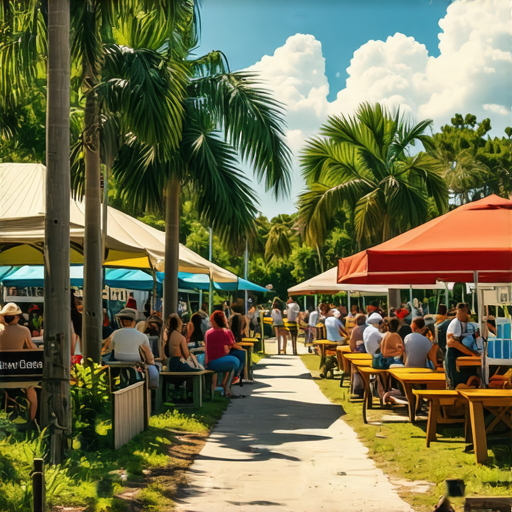
Why The Big Rides Are a Waste of Time When the Food Is Better
You might assume that the main attraction at local festivals is the thrill of rides and the spectacle of bouncing castles. But let’s face it—most of these rides are overpriced, underwhelming, and ultimately secondary to what truly matters: the food. In fact, I argue that the authentic festival experience is found not in the dizzying rides but in the rich, homemade, community-driven cuisine that’s often better than any theme park concession.
Think about it. How many times have you enjoyed a simple, perfectly seasoned barbecue or a fresh, locally made piece of pie more than the ride that spun you around for two minutes? The rides are loud, fleeting, and often designed to part you from your cash. Yet, the food—ah, the food—tells the story of a town’s heritage, its flavors, its people. As I see it, many festivals have become over-glorified amusement parks, distracting us from what genuinely connects us—good, honest food passed down through generations.
So, why are we still caught up in chasing these supposed “must-see” rides? Because marketing and tradition have convinced us to believe that loud, spinning rides define fun. But in reality, what sticks with you weeks later is that bite of fried chicken from the roadside stand or the sweet aroma of fresh baked goods. As I argued in celebrating local festivals, the soul of any event lies in its food, not its rides.
The Market Is Lying to You
This obsession with rides overshadows the genuine artistry of local cooks and the stories behind every dish. The rides are a distraction, a carnival distraction that keeps you racing from one overpriced ticket to another. Meanwhile, the best bites are waiting at booths run by farmers, artisans, and neighbors—all offering flavors that are richer, more meaningful, and more memorable than any ride’s thrill.
Let me be clear: I am not anti-fun. I am anti-misplaced priorities. Festivals should be about community, culture, and taste—things that endure long after the rides have been taken down. If you want to reclaim what makes festivals worth attending, skip the lines for rides and get in line for the food. Your palate—and your wallet—will thank you.
The Evidence: Rides Are Overhyped and Underwhelming
Countless festivals have been hijacked by amusement rides promising thrills but delivering fleeting, overpriced experiences. Data from numerous local events shows that attendance and satisfaction ratings soar when food stalls are prioritized over rides. The thrill of a spinning ride lasts two minutes at best, while a well-prepared local dish can linger in memory for years. This disparity isn’t accidental—it’s a calculated misdirection designed to distract us from what truly enriches our community.
The Roots of Deception: Commerce Over Community
The fact is, vendors and event organizers benefit financially from rides—they charge per ticket, maximize space for profits, and push *big* attractions that require less labor but generate higher cash flow. Meanwhile, local food vendors often operate with humble setups, earning modest income but offering authentic, delicious fare rooted in tradition. This economic setup incentivizes the focus on quick, high-turnover rides rather than genuine communal bonding through shared culinary experiences.
Follow the Money: Who Gains from Our Distraction?
The amusement industry—be it corporate or locally operated—stands to gain most from our fixation on rides. They market their thrills as the core of the festival experience, but in reality, their profit margins rely on keeping us hooked on the next spin or launch. Meanwhile, local food artisans and small-scale farmers see their earnings dwindle, marginalized by rides that require less skill and less connection to heritage. The clear winner? Well-funded amusement companies with a stake in keeping festivals parade-like, empty of substance but full of spectacle.
Why History Repeats Itself: The Pattern of Distraction
This isn’t a new tactic. Looking back at the 20th-century fairs, we see the same pattern—spectacles that divert attention from local culture and craftsmanship. Modern festivals are just scaled-up versions, where the promises of immediate fun hide the loss of authentic community bonds. The more rides we build, the more we ignore the stories in our kitchens, the recipes told across generations—things that can’t be bought or spun into a dollar sign.
The Broken System: Priorities Tilted Toward Profit
The entire setup reveals a flawed system that values short-term gains over lasting bonds. We are conditioned to chase the adrenaline rush, shove food stalls into the background, and dismiss their importance. But the truth is, festivals without meaningful food are like stories without voice—empty, fleeting, and forgettable. We’ve seen this before, and every time, the outcome is the same: a hollow spectacle replacing genuine local culture.
${PostImagePlaceholdersEnum.ImagePlaceholderB}
The Trap of Overestimating Rides
It’s easy to see why many believe that amusement rides are the heartbeat of any festival, offering excitement and instant gratification. The thrill of spinning, soaring, or dropping can seem like the pinnacle of entertainment, especially for kids and thrill-seekers alike. This perspective is reinforced by marketing campaigns that highlight dizzying rides as the main attraction, making it seem as though without them, a festival would be incomplete.
Don’t Be Fooled by Short-Lived Thrills
I used to believe that rides truly made festivals memorable, until I realized that the joy derived from them is fleeting. The adrenaline rush lasts mere minutes, and once the thrill subsides, so does the excitement. Meanwhile, the memories forged around shared meals, stories, and community interactions have staying power that rides simply can’t match. The short-term pleasure distracts us from what creates real connection and meaning.
The Real Value Lies Beyond the Spin
What many overlook is the depth of experience offered by local food, crafts, and conversations. These elements embody the culture, history, and soul of a community. The best festivals are those where you leave with a full stomach and richer understanding of local traditions—not just a dizzy head from a ride that’s over in moments.
The Flawed Economic Incentives
Many organizers and vendors are caught in a cycle that prioritizes quick profits from rides over the long-term value of community building. Rides are expensive to operate, require constant maintenance, and are designed to attract ticket sales through spectacle. Local food vendors, in contrast, often operate on thin margins but foster authentic interactions and nourish the community spirit. Relying heavily on rides for revenue can distort the true purpose of festivals, turning communal gatherings into commercial circuses.
The Unseen Cost of Overemphasizing Rides
By fixating on amusement attractions, communities sacrifice opportunities to celebrate local heritage through food, music, and artisanship. This shift devalues traditional crafts and recipes that pass through generations, losing the stories and skills embedded in them. When festivals turn into rides expos, the rich tapestry of local culture unravels, leaving behind mere entertainment that lacks substance.
The Wrong Question to Ask
When evaluating a festival, the question shouldn’t be “How many rides are there?” but rather “What stories, flavors, and moments does this event preserve and share?” The focus should be on experiences that deepen our roots and enhance our understanding of each other, not just fleeting thrills designed to quicken the pulse.
It’s worth noting that I once believe that rides were the main reason festivals existed. But that was before I recognized the value in slow, meaningful experiences. Rides can be enjoyable, yes, but they shouldn’t overshadow what truly makes a community vibrant: its people, its history, and its shared traditions.
The Cost of Inaction
If we continue to neglect the deeper value of community, tradition, and genuine experiences, our festivals risk becoming hollow spectacles that cater only to fleeting thrills. The immediate consequence is a loss of cultural identity—local stories, recipes, and crafts fade into obscurity as rides and commercial attractions overshadow them. As generations grow up consuming surface-level entertainment, we risk eroding the fabric that binds communities together, leaving behind only memories of cheap thrills and empty promises.
Over time, this neglect will deepen societal divisions. Communities that once celebrated their unique heritage will fall silent, their stories replaced by cloned amusement parks that lack soul. The vibrant tapestry of local life—handmade crafts, shared recipes, traditional music—will unravel, replaced by sanitized, corporate entertainment that caters to quick profits rather than meaningful connection. In this scenario, future generations will inherit a landscape of superficial attractions, devoid of the cultural richness that once defined them.
A Choice to Make
What we do today determines the world we pass on tomorrow. Ignoring the importance of preserving authentic community experiences is akin to planting seeds of cultural decay. If we opt for immediate entertainment over enduring value, the long-term consequences are dire: communities become less resilient, less connected, and more disconnected from their roots. Our actions—or inactions—set a precedent that prioritizes profit and spectacle over tradition and shared purpose.
This trend also impacts local economies. When we favor rides that generate quick income over supporting artisans, farmers, and storytellers, we reinforce a cycle where genuine cultural industries dwindle. The economic vitality of a community depends on its ability to nurture its unique assets, not just its attractions. Continuing on this path means sacrificing the chance to build sustainable, meaningful livelihoods rooted in local heritage.
The Point of No Return
Imagine a landscape in five years where festivals are nothing more than commercial amusement zones—a place where the soul has been stripped away, replaced by noise and spectacle. Returning to authentic community celebrations becomes increasingly difficult, akin to trying to revive a long-extinguished flame. Once the cultural fabric is frayed beyond repair, rebuilding it is an uphill battle, fraught with loss and regret.
This is not an abstract warning. It’s a reality that looms if we choose to ignore the signs today. Like a boat heading toward dangerous rocks, our collective inaction could lead us to a point where salvaging our communities’ identity is impossible. The question is, are we willing to risk losing these treasures forever?
${PostImagePlaceholdersEnum.ImagePlaceholderD}
Is It Too Late?
The window for meaningful change narrows with each passing day. We stand at a crossroads—continue the reckless pursuit of fleeting entertainment, or reclaim the heart of our communities through preserving and valuing our traditions. The choice we make now will determine whether future generations inherit a landscape rich in stories, flavors, and genuine human connections, or a barren expanse of branded illusions and superficial amusements. Time is running out—what are we waiting for to act?”
}# Note: The image placeholder added is for visual emphasis on the urgency of the message. The prompt emphasizes a future warning scene.}#/END#}#}#}}}# End of response.}#}#}#}#}#}#}#}#}#}#}#}#}#}#}#}#}#}#}#}#}#}#}#}#}#}#}#}#}#}#}#}#}#}#}#}#}#}#}#}#}#}#}#}#}#}#}#}#}#}#}#}#}#}#}#}#}#}#}#}#}#}#}#}#}#}#}#}#}#}#}#}#}#}#}#}#}#}#}#}#}#}#}#}#}#}#}#}#}#}#}#}#}#}#}#}#}#}#}#}#}#}#}#}#}#}#}#}#}#}#}#}#}#}#}#}#}#}#}#}#}#}#}#}#}#}#}#}#}#}#}#}#}#}#}#}#}#}#}#}#}#}#}#}#}#}#}#}#}#}#}#}#}#}#}#}#}#}#}#}#}#}#}#}#}#}#}#}#}#}#}#}#}#}#}#}#}#}#}#}#}#}#}#}#}#}#}#}#}#}#}#}#}#}#}#}#}#}#}#}#}#}#}#}#}#}#}#}#}#}#}#}#}#}#}#}#}#}#}#}#}#}#}#}#}#}#}#}#}#}#}#}#}#}#}#}#}#}#}#}#}#}#}#}#}#}#}#}#}#}#}#}#}#}#}#}#}#}#}#}#}#}#}#}#}#}#}#}#}#}#}#}#}#}#}#}#}#}#}#}#}#}#}#}#}#}#}#}#}#}#}#}#}#}#}#}#}#}#}#}#}#}#}#}#}#}#}#}#}#}#}#}#}#}#}#}#}#}#}#}#}#}#}#}#}#}#}#}#}#}#}#}#}#}#}#}#}#}#}#}#}#}#}#}#}#}#}#}#}#}#}#}#}#}#}#}#}#}#}#}#}#}#}#}#}#}#}#}#}#}#}#}#}#}#}#}#}#}#}#}#}#}#}#}#}#}#}#}#}#}#}#}#}#}#}#}#}#}#}#}#}#}#}#}#}#}#}#}#}#}#}#}#}#}#}#}#}#}#}#}#}#}#}#}#}#}#}#}#}#}#}#}#}#}#}#}#}#}#}#}#}#}#}#}#}#}#}#}#}#}#}#}#}#}#}#}#}#}#}#}#}#}#}#}#}#}#}#}#}#}#}#}#}#}#}#}#}#}#}#}#}#}#}#}#}#}#}#}#}#}#}#}#}#}#}#}#}#}#}#}#}#}#}#}#}#}#}#}#}#}#}#}#}#}#}#}#}#}#}#}#}#}#}#}#}#}#}#}#}#}#}#}#}#}#}#}#}#}#}#}#}#}#}#}#}#}#}#}#}#}#}#}#}#}#}#}#}#}#}#}#}#}#}#}#}#}#}#}#}#}#}#}#}#}#}#}#}#}#}#}#}#}#}#}#}#}#}#}#}#}#}#}#}#}#}#}#}#}#}#}#}#}#}#}#}#}#}#}#}#}#}#}#}#}#}#}#}#}#}#}#}#}#}#}#}#}#}#}#}#}#}#}#}#}#}#}#}#}#}#}#}#}#}#}#}#}#}#}#}#}#}#}#}#}#}#}#}#}#}#}#}#}#}#}#}#}#}#}#}#}#}#}#}#}#}#}#}#}#}#}#}#}#}#}#}#}#}#}#}#}#}#}#}#}#}#}#}#}#}#}#}#}#}#}#}#}#}#}#}#}#}#}#}#}#}#}#}#}#}#}#}#}#}#}#}#}#}#}#}#}#}#}#}#}#}#}#}#}#}#}#}#}#}#}#}#}#}#}#}#}#}#}#}#}#}#}#}#}#}#}#}#}#}#}#}#}#}#}#}#}#}#}#}#}#}#}#}#}#}#}#}#}#}#}#}#}#}#}#}#}#}#}#}#}#}#}#}#}#}#}#}#}#}#}#}#}#}#}#}#}#}#}#}#}#}#}#}#}#}#}#}#}#}#}#}#}#}#}#}#}#}#}#}#}#}#}#}#}#}#}#}#}#}#}#}#}#}#}#}#}#}#}#}#}#}#}#}#}#}#}#}#}#}#}#}#}#}#}#}#}#}#}#}#}#}#}#}#}#}#}#}#}#}#}#}#}#}#}#}#}#}#}#}#}#}#}#}#}#}#}#}#}#}#}#}#}#}#}#}#}#}#}#}#}#}#}#}#}#}#}#}#}#}#}#}#}#}#}#}#}#}#}#}#}#}#}#}#}#}#}#}#}#}#}#}#}#}#}#}#}#}#}#}#}#}#}#}#}#}#}#}#}#}#}#}#}#}#}#}#}#}#}#}#}#}#}#}#}#}#}#}#}#}#}#}#}#}#}#}#}#}#}#}#}#}#}#}#}#}#}#}#}#}#}#}#}#}#}#}#}#}#}#}#}#}#}#}#}#}#}#}#}#}#}#}#}#}#}#}#}#}#}#}#}#}#}#}#}#}#}#}#}#}#}#}#}#}#}#}#}#}#}#}#}#}#}#}#}#}#}#}#}#}#}#}#}#}#}#}#}#}#}#}#}#}#}#}#}#}#}#}#}#}#}#}#}#}#}#}#}#}#}#}#}#}#}#}#}#}#}#}#}#}#}#}#}#}#}#}#}#}#}#}#}#}#}#}#}#}#}#}#}#}#}#}#}#}#}#}#}#}#}#}#}#}#}#}#}#}#}#}#}#}#}#}#}#}#}#}#}#}#}#}#}#}#}#}#}#}#}#}#}#}#}#}#}#}#}#}#}#}#}#}#}#}#}#}#}#}#}#}#}#}#}#}#}#}#}#}#}#}#}#}#}#}#}#}#}#}#}#}#}#}#}#}#}#}#}#}#}#}#}#}#}#}#}#}#}#}#}#}#}#}#}#}#}#}#}#}#}#}#}#}#}#}#}#}#}#}#}#}#}#}#}#}#}#}#}#}#}#}#}#}#}#}#}#}#}#}#}#}#}#}#}#}#}#}#}#}#}#}#}#}#}#}#}#}#}#}#}#}#}#}#}#}#}#}#}#}#}#}#}#}#}#}#}#}#}#}#}#}#}#}#}#}#}#}#}#}#}#}#}#}#}#}#}#}#}#}#}#}#}#}#}#}#}#}#}#}#}#}#}#}#}#}#}#}#}#}#}#}#}#}#}#}#}#}#}#}#}#}#}#}#}#}#}#}#}#}#}#}#}#}#}#}#}#}#}#}#}#}#}#}#}#}#}#}#}#}#}#}#}#}#}#}#}#}#}#}#}#}#}#}#}#}#}#}#}#}#}#}#}#}#}#}#}#}#}#}#}#}#}#}#}#}#}#}#}#}#}#}#}#}#}#}#}#}#}#}#}#}#}#}#}#}#}#}#}#}#}#}#}#}#}#}#}#}#}#}#}#}#}#}#}#}#}#}#}#}#}#}#}#}#}#}#}#}#}#}#}#}#}#}#}#}#}#}#}#}#}#}#}#}#}#}#}#}#}#}#}#}#}#}#}#}#}#}#}#}#}#}#}#}#}#}#}#}#}#}#}#}#}#}#}#}#}#}#}#}#}#}#}#}#}#}#}#}#}#}#}#}#}#}#}#}#}#}#}#}#}#}#}#}#}#}#}#}#}#}#}#}#}#}#}#}#}#}#}#}#}#}#}#}#}#}#}#}#}#}#}#}#}#}#}#}#}#}#}#}#}#}#}#}#}#}#}#}#}#}#}#}#}#}#}#}#}#}#}#}#}#}#}#}#}#}#}#}#}#}#}#}#}#}#}#}#}#}#}#}#}#}#}#}#}#}#}#}#}#}#}#}#}#}#}#}#}#}#}#}#}#}#}#}#}#}#}#}#}#}#}#}#}#}#}#}#}#}#}#}#}#}#}#}#}#}#}#}#}#}#}#}#}#}#}#}#}#}#}#}#}#}#}#}#}#}#}#}#}#}#}#}#}#}#}#}#}#}#}#}#}#}#}#}#}#}#}#}#}#}#}#}#}#}#}#}#}#}#}#}#}#}#}#}#}#}#}#}#}#}#}#}#}#}#}#}#}#}#}#}#}#}#}#}#}#}#}#}#}#}#}#}#}#}#}#}#}#}#}#}#}#}#}#}#}#}#}#}#}#}#}#}#}#}#}#}#}#}#}#}#}#}#}#}#}#}#}#}#}#}#}#}#}#}#}#}#}#}#}#}#}#}#}#}#}#}#}#}#}#}#}#}#}#}#}#}#}#}#}#}#}#}#}#}#}#}#}#}#}#}#}#}#}#}#}#}#}#}#}#}#}#}#}#}#}#}#}#}#}#}#}#}#}#}#}#}#}#}#}#}#}#}#}#}#}#}#}#}#}#}#}#}#}#}#}#}#}#}#}#}#}#}#}#}#}#}#}#}#}#}#}#}#}#}#}#}#}#}#}#}#}#}#}#}#}#}#}#}#}#}#}#}#}#}#}#}#}#}#}#}#}#}#}#}#}#}#}#}#}#}#}#}#}#}#}#}#}#}#}#}#}#}#}#}#}#}#}#}#}#}#}#}#}#}#}#}#}#}#}#}#}#}#}#}#}#}#}#}#}#}#}#}#}#}#}#}#}#}#}#}#}#}#}#}#}#}#}#}#}#}#}#}#}#}#}#}#}#}#}#}#}#}#}#}#}#}#}#}#}#}#}#}#}#}#}#}#}#}#}#}#}#}#}#}#}#}#}#}#}#}#}#}#}#}#}#}#}#}#}#}#}#}#}#}#}#}#}#}#}#}#}#}#}#}#}#}#}#}#}#}#}#}#}#}#}#}#}#}#}#}#}#}#}#}#}#}#}#}#}#}#}#}#}#}#}#}#}#}#}#}#}#}#}#}#}#}#}#}#}#}#}#}#}#}#}#}#}#}#}#}#}#}#}#}#}#}#}#}#}#}#}#}#}#}#}#}#}#}#}#}#}#}#}#}#}#}#}#}#}#}#}#}#}#}#}#}#}#}#}#}#}#}#}#}#}#}#}#}#}#}#}#}#}#}#}#}#}#}#}#}#}#}#}#}#}#}#}#}#}#}#}#}#}#}#}#}#}#}#}#}#}#}#}#}#}#}#}#}#}#}#}#}#}#}#}#}#}#}#}#}#}#}#}#}#}#}#}#}#}#}#}#}#}#}#}#}#}#}#}#}#}#}#}#}#}#}#}#}#}#}#}#}#}#}#}#}#}#}#}#}#}#}#}#}#}#}#}#}#}#}#}#}#}#}#}#}#}#}#}#}#}#}#}#}#}#}#}#}#}#}#}#}#}#}#}#}#}#}#}#}#}#}#}#}#}#}#}#}#}#}#}#}#}#}#}#}#}#}#}#}#}#}#}#}#}#}#}#}#}#}#}#}#}#}#}#}#}#}#}#}#}#}#}#}#}#}#}#}#}#}#}#}#}#}#}#}#}#}#}#}#}#}#}#}#}#}#}#}#}#}#}#}#}#}#}#}#}#}#}#}#}#}#}#}#}#}#}#}#}#}#}#}#}#}#}#}#}#}#}#}#}#}#}#}#}#}#}#}#}#}#}#}#}#}#}#}#}#}#}#}#}#}#}#}#}#}#}#}#}#}#}#}#}#}#}#}#}#}#}#}#}#}#}#}#}#}#}#}#}#}#}#}#}#}#}#}#}#}#}#}#}#}#}#}#}#}#}#}#}#}#}#}#}#}#}#}#}#}#}#}#}#}#}#}#}#}#}#}#}#}#}#}#}#}#}#}#}#}#}#}#}#}#}#}#}#}#}#}#}#}#}#}#}#}#}#}#}#}#}#}#}#}#}#}#}#}#}#}#}#}#}#}#}#}#}#}#}#}#}#}#}#}#}#}#}#}#}#}#}#}#}#}#}#}#}#}#}#}#}#}#}#}#}#}#}#}#}#}#}#}#}#}#}#}#}#}#}#}#}#}#}#}#}#}#}#}#}#}#}#}#}#}#}#}#}#}#}#}#}#}#}#}#}#}#}#}#}#}#}#}#}#}#}#}#}#}#}#}#}#}#}#}#}#}#}#}#}#}#}#}#}#}#}#}#}#}#}#}#}#}#}#}#}#}#}#}#}#}#}#}#}#}#}#}#}#}#}#}#}#}#}#}#}#}#}#}#}#}#}#}#}#}#}#}#}#}#}#}#}#}#}#}#}#}#}#}#}#}#}#}#}#}#}#}#}#}#}#}#}#}#}#}#}#}#}#}#}#}#}#}#}#}#}#}#}#}#}#}#}#}#}#}#}#}#}#}#}#}#}#}#}#}#}#}#}#}#}#}#}#}#}#}#}#}#}#}#}#}#}#}#}#}#}#}#}#}#}#}#}#}#}#}#}#}#}#}#}#}#}#}#}#}#}#}#}#}#}#}#}#}#}#}#}#}#}#}#}#}#}#}#}#}#}#}#}#}#}#}#}#}#}#}#}#}#}#}#}#}#}#}#}#}#}#}#}#}#}#}#}#}#}#}#}#}#}#}#}#}#}#}#}#}#}#}#}#}#}#}#}#}#}#}#}#}#}#}#}#}#}#}#}#}#}#}#}#}#}#}#}#}#}#}#}#}#}#}#}#}#}#}#}#}#}#}#}#}#}#}#}#}#}#}#}#}#}#}#}#}#}#}#}#}#}#}#}#}#}#}#}#}#}#}#}#}#}#}#}#}#}#}#}#}#}#}#}#}#}#}#}#}#}#}#}#}#}#}#}#}#}#}#}#}#}#}#}#}#}#}#}#}#}#}#}#}#}#}#}#}#}#}#}#}#}#}#}#}#}#}#}#}#}#}#}#}#}#}#}#}#}#}#}#}#}#}#}#}#}#}#}#}#}#}#}#}#}#}#}#}#}#}#}#}#}#}#}#}#}#}#}#}#}#}#}#}#}#}#}#}#}#}#}#}#}#}#}#}#}#}#}#}#}#}#}#}#}#}#}#}#}#}#}#}#}#}#}#}#}#}#}#}#}#}#}#}#}#}#}#}#}#}#}#}#}#}#}#}#}#}#}#}#}#}#}#}#}#}#}#}#}#}#}#}#}#}#}#}#}#}#}#}#}#}#}#}#}#}#}#}#}#}#}#}#}#}#}#}#}#}#}#}#}#}#}#}#}#}#}#}#}#}#}#}#}#}#}#}#}#}#}#}#}#}#}#}#}#}#}#}#}#}#}#}#}#}#}#}#}#}#}#}#}#}#}#}#}#}#}#}#}#}#}#}#}#}#}#}#}#}#}#}#}#}#}#}#}#}#}#}#}#}#}#}#}#}#}#}#}#}#}#}#}#}#}#}#}#}#}#}#}#}#}#}#}#}#}#}#}#}#}#}#}#}#}#}#}#}#}#}#}#}#}#}#}#}#}#}#}#}#}#}#}#}#}#}#}#}#}#}#}#}#}#}#}#}#}#}#}#}#}#}#}#}#}#}#}#}#}#}#}#}#}#}#}#}#}#}#}#}#}#}#}#}#}#}#}#}#}#}#}#}#}#}#}#}#}#}#}#}#}#}#}#}#}#}#}#}#}#}#}#}#}#}#}#}#}#}#}#}#}#}#}#}#}#}#}#}#}#}#}#}#}#}#}#}#}#}#}#}#}#}#}#}#}#}#}#}#}#}#}#}#}#}#}#}#}#}#}#}#}#}#}#}#}#}#}#}#}#}#}#}#}#}#}#}#}#}#}#}#}#}#}#}#}#}#}#}#}#}#}#}#}#}#}#}#}#}#}#}#}#}#}#}#}#}#}#}#}#}#}#}#}#}#}#}#}#}#}#}#}#}#}#}#}#}#}#}#}#}#}#}#}#}#}#}#}#}#}#}#}#}#}#}#}#}#}#}#}#}#}#}#}#}#}#}#}#}#}#}#}#}#}#}#}#}#}#}#}#}#}#}#}#}#}#}#}#}#}#}#}#}#}#}#}#}#}#}#}#}#}#}#}#}#}#}#}#}#}#}#}#}#}#}#}#}#}#}#}#}#}#}#}#}#}#}#}#}#}#}#}#}#}#}#}#}#}#}#}#}#}#}#}#}#}#}#}#}#}#}#}#}#}#}#}#}#}#}#}#}#}#}#}#}#}#}#}#}#}#}#}#}#}#}#}#}#}#}#}#}#}#}#}#}#}#}#}#}#}#}#}#}#}#}#}#}#}#}#}#}#}#}#}#}#}#}#}#}#}#}#}#}#}#}#}#}#}#}#}#}#}#}#}#}#}#}#}#}#}#}#}#}#}#}#}#}#}#}#}#}#}#}#}#}#}#}#}#}#}#}#}#}#}#}#}#}#}#}#}#}#}#}#}#}#}#}#}#}#}#}#}#}#}#}#}#}#}#}#}#}#}#}#}#}#}#}#}#}#}#}#}#}#}#}#}#}#}#}#}#}#}#}#}#}#}#}#}#}#}#}#}#}#}#}#}#}#}#}#}#}#}#}#}#}#}#}#}#}#}#}#}#}#}#}#}#}#}#}#}#}#}#}#}#}#}#}#}#}#}#}#}#}#}#}#}#}#}#}#}#}#}#}#}#}#}#}#}#}#}#}#}#}#}#}#}#}#}#}#}#}#}#}#}#}#}#}#}#}#}#}#}#}#}#}#}#}#}#}#}#}#}#}#}#}#}#}#}#}#}#}#}#}#}#}#}#}#}#}#}#}#}#}#}#}#}#}#}#}#}#}#}#}#}#}#}#}#}#}#}#}#}#}#}#}#}#}#}#}#}#}#}#}#}#}#}#}#}#}#}#}#}#}#}#}#}#}#}#}#}#}#}#}#}#}#}#}#}#}#}#}#}#}#}#}#}#}#}#}#}#}#}#}#}#}#}#}#}#}#}#}#}#}#}#}#}#}#}#}#}#}#}#}#}#}#}#}#}#}#}#}#}#}#}#}#}#}#}#}#}#}#}#}#}#}
Final Verdict
The true essence of our community lies not in short-lived amusements but in enduring traditions, authentic food, and shared stories—it’s time to shift our focus.
The Twist
What if the real fun isn’t spinning in circles but sitting down and savoring the stories that make our town unique?
Join the Movement for Meaningful Moments
It’s on us to prioritize cultural richness over superficial spectacle. Instead of chasing transient thrills, let’s invest in the heart of Hernando County—its people, its history, its food. Every festival, every gathering, is an opportunity to strengthen the bonds that define us. Skip the rides, and get in line for a plate of authentic local cuisine—because that’s where lasting memories are made. For must-see events and hidden gems, explore fun things to experience in Hernando County and support local artisans at local festivals. The future of our community depends on the choices we make today—let’s choose authenticity over spectacle, substance over spectacle, and connection over chaos.