The Myth of Premium Fun: Why You’re Being Sold a Lie
Everywhere you look in Hernando County, from the glossy flyers of private amusement parks to the curated Instagram posts showing kids on expensive rides, a false narrative persists: fun has a price tag. The truth? That couldn’t be further from reality. I argue that the best places for children to play, explore, and learn are right in our own backyard—and best of all, they come at zero cost.
It’s time to recognize that the narrative pushing paid attractions is a marketing ploy designed to drain your wallet. Families are led to believe that if they want a memorable day, they need to shell out for a ticket—but this is a deception. Hernando County is dotted with free parks that outshine any paid attraction in vibe, diversity, and safety.
Think about it. When was the last time you took a good look at the sprawling playgrounds nestled within local parks? They are often overlooked but packed with genuine adventure—climbing structures, shaded picnic areas, trails for exploring, and water features that cost you nothing. As I argued in Spring Hill activities, the real joy of childhood comes from discovery, not spending.
Why Are We Still Paying for Play When Hernando Is Rich With Free Options?
The answer is simple: marketing. The same way a game of chess requires deception, society tricks us into believing that fun must come with a hefty price. This lie robs families of quality, accessible entertainment. Our parks are not only free; they are often better designed for genuine engagement than commercial parks.
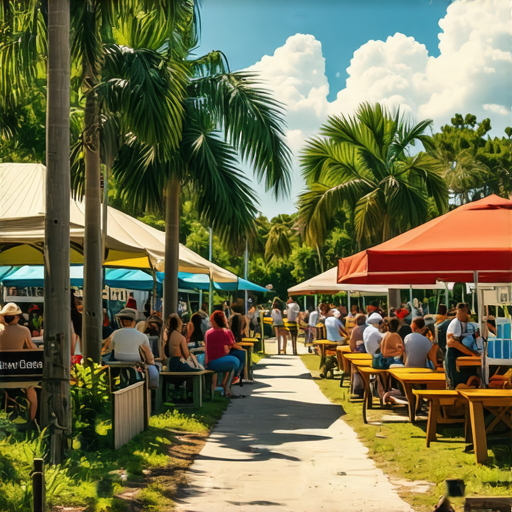
Take a walk through Hernando County’s free community parks. You’ll find shaded playgrounds, ample space for sports, and trails that wind past native flora and fauna. These spots are gold mines for parents tired of paying entrance fees or ticket prices that climb higher every year.
And let’s not forget the environmental lesson here. These parks promote sustainability—kids learn to appreciate nature without the noise and pollution of commercialized attractions. There’s something revolutionary about telling your children, “Your playground costs nothing, but its value is priceless.”
The question remains: why do so many still chase the illusion of paid “fun”? I suspect it’s because we’ve been conditioned to equate expense with quality. As I’ve highlighted in how Hernando parks outshine big theme parks, this syndrome prevents us from seeing what’s right in front of us—accessible, authentic, enriching experiences that don’t require a subscription or a wallet drain.
The Evidence of Deception in Paid Recreation
The push towards paid entertainment in Hernando County isn’t accidental; it’s a deliberate strategy rooted in profit motives. Major amusement venues and private parks often spend millions on advertising, portraying them as essential for memorable childhood experiences. Meanwhile, the actual benefits—imaginative play, connection with nature, physical activity—are accessible to every child in Hernando for free, hiding in plain sight within our community parks. Multiple studies show that children engaged with natural environments develop better cognitive skills and emotional resilience. Yet, society’s obsession with paid attractions blinds us to these freely available resources, which often outperform commercial parks in safety, diversity, and authenticity.
Take, for example, the sprawling Creekside Park in Spring Hill. It boasts playgrounds, open fields, and shaded trails—completely free. There’s no need for tickets, memberships, or extra expenses. It’s a natural classroom, fostering creativity and independence long before a paid venue ever could. The value of such environments isn’t just in their low cost but in their capacity to nurture well-rounded development. But how often do parents overlook these gems because of the allure of shiny rides and high-tech amenities? The data suggests that the myth of premium fun is just that—a myth designed to funnel dollars from families to corporate coffers, not to serve children’s best interests.
The Root Cause: Society’s Illusion of Quality Through Price
The problem isn’t that paid attractions exist; it’s that society confuses *expense* with *excellence.* This mindset has been ingrained over generations—a narrative reinforced by advertising, media, and even schools that promote the idea that affordable or free isn’t good enough. Consequently, Hernando residents fall prey to this illusion, believing they must pay more to get more. But the reality is starkly different. Our local parks, often dismissed as basic or secondary, are in many cases superior in promoting genuine engagement and learning. They’re designed with community in mind, not profit margins. It’s a familiar pattern: when you chase the high-end, paid options, you’re feeding a system that benefits corporate interests—not the community or the children.
This pattern echoes historical examples. In the early 20th century, urban parks faced similar challenges—municipalities struggled against private interests pushing for exclusive, paid recreational areas that marginalized lower-income families. Over time, the public pushback led to the expansion of accessible, free green spaces, which proved to be wealthier investments in community health and cohesion. Today, the same principle applies: Hernando’s free parks and natural spaces are the modern equivalent of those earlier victories against economic stratification in recreation.
Follow the Money: Who Benefits When We Overpay?
Examining who profits from the paid play industry reveals a clear pattern. Large corporations, private investors, and marketing firms benefit the most—and it costs the community dearly. Families are pressured into paying for what’s often simple, age-old activities that nature and community parks can facilitate for free. Every ticket sold, every membership purchased, lines a corporate pocket. The higher the prices for amusement parks, the greater the profit margins become—regardless of whether children gain more benefit. This is no coincidence. It’s a strategic extraction of community resources, disguised as quality of life improvements.
Consider the local news reports about new private attractions opening in Hernando. Each announcement highlights millions of dollars invested—money that could have been allocated toward maintaining and expanding our public parks. Instead, that capital flows upward, into corporate coffers that push exclusive, expensive experiences. Meanwhile, families struggle with rising costs of living, and children are left with fewer opportunities for spontaneous, unstructured play that’s vital for their growth. The real tragedy? The best experiences are right here—and they’re free, waiting to be rediscovered, if only we look beyond the marketing and recognize the true power of Hernando’s community spaces.
The Trap of Equating Cost with Quality
It’s easy to see why many believe that spending more guarantees better fun. After all, luxury cars are often more impressive than economy models, so why shouldn’t the same principle apply to recreation? Many argue that paid attractions are more professionally maintained, safer, and more entertaining than free parks. This perspective taps into a common cultural assumption: that expense equals excellence. However, this line of thinking is shortsighted and overlooks the real value embedded within Hernando County’s public spaces.
Don’t Be Fooled by the Price Tag
I used to believe that paid amusement parks offered superior experiences, simply because they charged higher prices and showcased elaborate rides. I thought, surely, these places had to deliver something more—better safety standards, cleaner facilities, more innovative attractions. But that assumption ignores the fact that many free parks in Hernando already outperform those commercial giants in authenticity, diversity, and accessibility.
The truth is, the most meaningful experiences for children often stem from natural, unstructured play, which doesn’t require hefty admission fees. Hernando’s parks provide lush environments, diverse flora and fauna, and spaces that foster imagination without the corporate veneer. When we measure quality solely by price, we risk missing the genuine connections and developmental benefits these free spaces offer.
The Wrong Question Is What Costs More
Instead of asking, “Which is more expensive?” we should question what truly adds value to childhood experiences. Paid attractions tend to prioritize branded experiences and commercial interests, often at the expense of meaningful engagement. Meanwhile, Hernando’s community parks are designed with local families in mind, emphasizing safety, natural beauty, and opportunities for spontaneous discovery—elements that money can’t buy.
The focus on expense also neglects the long-term societal benefits of accessible outdoor spaces. Studies show that children who spend time in natural environments develop better cognitive and emotional skills. These parks are not just free—they’re investments in community health and social cohesion that pay dividends well beyond a ticketed visit.
The Cultural Myth of Premium Fun and Its Impact
The persistence of the myth that quality recreation must come at a high price influences community choices. This misconception leads families to seek out costly venues, often overlooking the abundance of free options right in front of them. It also sustains a cycle where private interests profit at the expense of community well-being, reinforcing the idea that only extravagant experiences are worth pursuing.
By challenging this myth, we can shift our perspective and recognize that Hernando’s true gems are its accessible parks and natural spaces. These areas offer authentic, enriching, and safe environments for children to grow and explore—without draining wallets or fueling corporate profits.
The Cost of Inaction
If Hernando County continues to overlook the abundance of free, natural parks and community spaces, the repercussions will ripple through our society with alarming severity. The longer we ignore the truth—that quality recreation and childhood development are accessible without costly spectacles—the more entrenched the cycle of economic disparity and environmental neglect becomes.
Imagine the future as a sinking boat, where every ignored opportunity to invest in public parks and green spaces adds a weight that threatens to pull us under. Children growing up without access to natural environments face increased mental health issues, decreased physical activity, and diminished social skills. These aren’t mere inconveniences—they are indictments of a community neglecting its most valuable resource: its children and its environment.
By not acting now, we risk turning Hernando County into a landscape dominated by privatized entertainment complexes, leaving behind the community-oriented spaces that foster resilience, creativity, and cohesion. The social fabric that once held us together will fray, replaced by a sense of disparity and disconnection. In five years, we could stand at a crossroads, realizing that we squandered an opportunity to build an inclusive, sustainable environment, replaced by sprawling developments that serve corporate interests at the expense of our collective well-being.
This trajectory mirrors the devastating consequences of ignoring climate change—delays only escalate the crisis. Just as rising sea levels threaten coastal communities, ignoring the importance of accessible green spaces threatens our social and environmental health. We are on the brink of losing the legacy of community spaces that have long been the backbone of Hernando County.
A vivid analogy is to consider our community as a garden. Neglecting to tend and nurture it now ensures that, in time, weeds and decay will overrun the beauty that once flourished. Waiting means losing the fertile ground where future generations can grow, explore, and thrive. The longer we delay, the more we surrender the opportunity to cultivate a resilient, vibrant community rooted in nature and shared experience.
What are we waiting for? The window to act is closing, and the choice before us is clear. We can either invest in our public spaces, securing a healthier, more equitable future, or watch as the very foundation of our community diminishes into a sterile landscape of corporate entertainment and environmental decline. The stakes couldn’t be higher—our children’s futures depend on the decisions we make today, not tomorrow.
Hernando County boasts a wealth of natural beauty and community spaces that outshine any paid amusement—yet many of us still fall for the myth that fun must come with a hefty price tag. Instead of investing in fleeting attractions that benefit corporate pockets, it’s time to recognize that our genuine treasures lie right outside the ticket booths.
Think about the sprawling parks, shaded trails, and lakes that are free for everyone—these are the true catalysts for discovery and growth. As explored in how Hernando parks outshine big theme parks, authentic experiences don’t have to be costly. They’re woven into our community fabric, waiting to be embraced.
Yet the marketing machine continues to persuade us otherwise. Major amusement venues spend millions on advertising, creating an illusion that real fun must be purchased. This deception drains families financially while distracting from the richness already present in our local parks and waterways—areas that foster creativity, independence, and environmental appreciation at no charge.
Consider the impact on our children. Natural environments have been shown to promote better cognitive development and emotional resilience. Our parks serve as living classrooms, offering unstructured play that cannot be replicated behind paywalls.
Who truly benefits when we chase these paid experiences? Corporations and marketing firms, not the community or our children. Every dollar diverted into private attractions could instead enhance our public spaces—expanding access, improving safety, and preserving the environment. This reveals the real cost of buying into the illusion of premium fun.
It’s time to challenge this narrative. When we measure quality, we should look beyond price tags to the depth of experience and the growth it fosters. Hernando’s public spaces are more than enough; they are a testament to what community-driven care can achieve.
So I issue a call: rediscover and invest in your local parks. Encourage others to see these spaces for what they truly are—priceless assets in our journey toward a resilient, connected community. The next generation’s well-being depends on the choices we make today. Our future isn’t defined by the attractions we purchase, but by the spaces we cultivate and cherish.
Stand up for authentic fun, for accessible discovery, and for a Hernando County that values its natural and communal wealth over corporate profit. Your move—make it count.