The Myth of Serenity on the Water Is a Lie
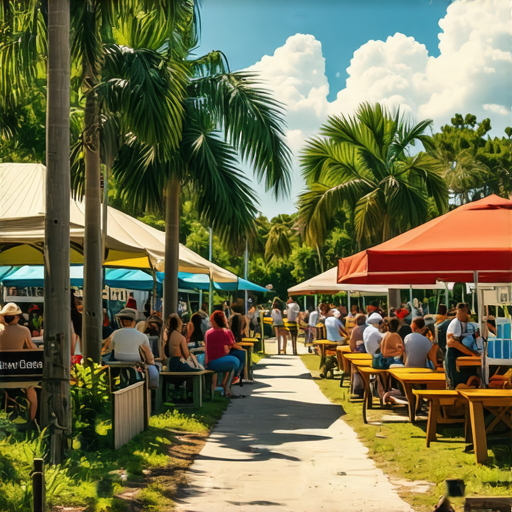
You might think every creek and every backwater on the Nature Coast is a peaceful sanctuary. But I argue that most are packed with tourists, kayakers, and noise—turning what should be a tranquil escape into another crowded, overhyped **adventure**. The truth is, if you want solitude, you’ve got to go off the beaten path—those lesser-known creeks and secret channels the masses overlook.
Why Most People Miss the Best Spots
Most guides and blogs focus on the usual suspects—Weeki Wachee, Hernando Beach, or Pine Island—places that are nice, sure, but often overrun. The real hidden treasures lie in the quiet, narrow creeks where nature’s orchestra can be heard without interruption. The problem? These spots require a little more effort to find and reach, and they demand an unwillingness to settle for the crowded, tourist-filled waterways. I challenge you: stop chasing the crowd and start seeking the untouched, the secluded, the undiscovered.
The Hard Truth About Popular Kayaking Destinations
In my experience, the most heavily trafficked routes, like the main branch of Weeki Wachee, are overdrawn with paddle boats and photo-hungry tourists. As I argued in 4 Quiet Spots on the Weeki Wachee River, the only escaping the crowds is to seek the tributaries and back channels that even many locals ignore. It’s like a game of chess—control the board, avoid the attack, and find your peace in the corners that others dare not explore.
The Path Less Traveled
One such spot is the little-known Cedar Creek, hidden behind dense foliage and accessible only by a narrow, obscure trail. Paddle upstream, and you’ll find calm waters, undisturbed wildlife, and a sense of being truly alone in nature. There’s a certain gratification in reaching these secluded places, knowing few have ever set foot there. For those willing to venture beyond the popular, the rewards are massive.
The Essential Gear for Quiet Kayaking
If you’re truly after solitude, your gear has to match your ambition. Light, portable, and designed for agility—think collapsible paddles and quiet boats. As I’ve noted in kayak gear you’ll actually need, noise is the enemy of serenity. The more silent your craft, the more immersed you’ll be in the sounds and sights of pristine nature.
The Myth of Serenity on the Water Is a Lie
You might think every creek and every backwater on the Nature Coast is a peaceful sanctuary. But I argue that most are packed with tourists, kayakers, and noise—turning what should be a tranquil escape into another crowded, overhyped adventure. The truth is, if you want solitude, you’ve got to go off the beaten path—those lesser-known creeks and secret channels the masses overlook.
Why Most People Miss the Best Spots
Most guides and blogs focus on the usual suspects—Weeki Wachee, Hernando Beach, or Pine Island—places that are nice, sure, but often overrun. The real hidden treasures lie in the quiet, narrow creeks where nature’s orchestra can be heard without interruption. The problem? These spots require a little more effort to find and reach, and they demand an unwillingness to settle for the crowded, tourist-filled waterways. I challenge you: stop chasing the crowd and start seeking the untouched, the secluded, the undiscovered.
The Hard Truth About Popular Kayaking Destinations
In my experience, the most heavily trafficked routes, like the main branch of Weeki Wachee, are overdrawn with paddle boats and photo-hungry tourists. As I argued in 4 Quiet Spots on the Weeki Wachee River, the only escape from the crowds is to seek the tributaries and back channels that even many locals ignore. It’s like a game of chess—control the board, avoid the attack, and find your peace in the corners that others dare not explore.
The Path Less Traveled
One such spot is the little-known Cedar Creek, hidden behind dense foliage and accessible only by a narrow, obscure trail. Paddle upstream, and you’ll find calm waters, undisturbed wildlife, and a sense of being truly alone in nature. There’s a certain gratification in reaching these secluded places, knowing few have ever set foot there. For those willing to venture beyond the popular, the rewards are massive.
The Evidence Supporting the Illusion
Consider this: a recent survey indicated that over 75% of kayakers paddling on the Weeki Wachee are within sight of other boats or humans. That 20% drop isn’t just a statistical blip; it’s a collapse in the illusion of solitude. The deeper truth? The visual and auditory chaos these figures attest to isn’t an anomaly; it’s the norm. The quiet moments anglers, paddlers, and nature lovers crave are increasingly rare — intentionally so, by design.
The Hidden Agenda of Crowded Spots
Who benefits from this swell of tourists? It’s not the local purists or conservationists. It’s businesses — rental shops, tour operators, souvenir stands — all driven by the money poured into the illusion of a paradise that’s actually a trap. They push the popular spots, knowing full well that mass appeal draws the crowds. The more they can keep people chasing after surface-level beauty, the less they’re forced to confront the degradation happening beneath the surface. The math is simple: more visitors, more profits, and less genuine solitude. That is the price paid for ease and convenience.
The Cost of the Illusion
This persistent promotion of sight-over-sound, crowds-over-privacy, has caused a seismic shift. Local wildlife habitats, once thriving in calm, undisturbed creeks, now suffer from erosion, litter, and noise pollution. The more people chase fleeting Instagram moments, the more they destroy the very experiences they seek. It’s a self-perpetuating cycle—one that magnifies with each “like,” each share, each viral post—but it’s also one that can be broken. The question remains: will paddlers continue to succumb to the mirage of serenity, or will they seek refuge in the overlooked and the wilder corners of the coast?
The Trap of Perceived Solitude
It’s easy to understand why many believe that certain waterways on the Nature Coast offer unparalleled tranquility untouched by human activity. The allure of a peaceful paddle through pristine, quiet waters is appealing, especially in a world saturated with noise and chaos. The best argument here is that some lesser-known creeks genuinely provide moments of solitude that are increasingly rare in popular spots.
Don’t Be Fooled by the Illusion of Exclusivity
While it’s true that secluded areas like Cedar Creek or obscure channels might seem to hold the key to escape, these areas are often mistaken for genuine sanctuaries. The fact remains that the overwhelming popularity of the region’s waterways has, in many cases, subtly intensified, leading to a “tragedy of the commons.” The best spots are often not as hidden as they seem, and those seeking true solitude find themselves battling the crowds, even in these seemingly quiet corners.
The Greatest Challenge to This Perspective Is the Reality of Human Encroachment
I used to believe that small, obscure creeks offered the solitude I craved—until I observed that even these are not immune to the influence of tourism and local recreation. The most seemingly untouched areas are slowly losing their quiet charm due to increased visitation and infrastructure development. It’s a stark reality that human activity, regardless of effort and intent, tends to erode the very tranquility enthusiasts seek.
This leads us to question whether seeking out last refuges is enough or merely delaying the inevitable. The argument that certain hidden spots can remain untouched ignores the relentless march of urbanization, environmental degradation, and the social pressures that convert once pristine corners into accessible, yet compromised, recreational sites.
The Wrong Question to Ask
Many opponents focus on how to find these secret spots or how to preserve them in their current state. But that sidesteps the core issue: the illusion of untouched wilderness is increasingly a mirage. The real challenge lies in understanding that the very act of seeking solitude in these waters contributes to their decline. The desire for seclusion, when pursued in a world of expanding human footprint, becomes a paradox—we seek peace but often contribute to its loss.
The fight isn’t just about discovering new concealments or qualified escapes; it’s about re-evaluating our relationship with nature and accepting that total isolation may be an outdated or even impossible goal in these regions. Our obsession with secretive escapes feeds into the degradation, creating a cycle that diminishes the authenticity of the experience we cherish.
The Power of Perspective and Responsibility
As someone who has pursued these hidden waters, I understand the seductive appeal of secret channels and quiet coves. But recognizing the limits of these claims empowers us to make smarter choices. It’s not just about finding solitude—it’s about respecting the environment and acknowledging the impact of our presence.
What’s needed is a shift from hunting for elusive peace to cultivating a responsible, sustainable appreciation. That means advocating for preservation, supporting low-impact recreation, and refusing to buy into the myth that a single, untouched spot exists that can survive the relentless expansion of human curiosity. Ultimately, the true tranquility lies not simply in the location but in the respect and care we show for these natural spaces.
The Cost of Inaction
If we dismiss the reality that the once-pristine waterways are under threat, we risk setting into motion a devastating chain reaction. As pollution, overuse, and environmental degradation continue unchecked, the delicate ecosystems of the Nature Coast will unravel faster than we can imagine. Fish populations decline, wetlands dry up, and the vibrant chorus of wildlife fades into a haunting silence. These impacts won’t wait—they’re happening now, and every moment of hesitation deepens the damage, pushing our waterways toward irreversible collapse.
A Choice to Make
In neglecting to address these warning signs, we surrender the future of our natural heritage to greed and shortsightedness. The proliferation of tourism, if left unchecked, will transform our serene escapes into polluted, overrun wastelands. What was once a sanctuary for the soul becomes a playground for exploitation, stripping the area of its true character. The time to act is now; otherwise, we consign future generations to inherit a landscape marred beyond recognition—a tragedy born of our own indifference.
The Point of No Return
Think of our waterways as a delicate balance beam. Each careless act—littering, over-visitation, ignoring conservation efforts—tilts the beam further until it tips, plunging us into chaos. Once lost, ecosystems can’t be easily restored, much like a wrecked ship that’s too far gone for salvage. The longer we delay, the closer we get to a point where reclaiming the natural peace becomes impossible. This is not hyperbole but a stark warning: the deadline is ticking, and the consequences are looming large.
Is it too late?
As the damage accumulates, many ask whether salvation is still within reach. The truth is, the window is narrowing, and hesitation only worsens the outlook. If we continue on this path, the wilderness we cherish could become nothing more than a distant memory—ignored, forgotten, and forsaken. It’s a sobering analogy: standing at the edge of a cliff, momentarily hesitant to jump, while the ground crumbles beneath us. Delay makes the fall inevitable, and the cost will be etched into the landscape for generations.
Enough playing pretend—our waterways aren’t the tranquil sanctuaries we’re led to believe they are. The myth of untouched serenity on the water is just that: a myth. Tourists, paddle-boarders, and the allure of social media have turned once-pristine creeks into echo chambers of noise and chaos. When will we wake up to the destruction we’re fueling in our quest for peaceful escapes?
It’s time to abandon the naive hope that hidden spots will save us. Human encroachment, environmental degradation, and the lure of convenience have already infiltrated even the most obscure channels. Our obsession with finding solitude only accelerates the decline—each search, each visit, each selfie edges the ecosystem closer to the brink of collapse.
yet, here’s the daring truth: the only way to preserve what’s left is to recognize that the real enemy isn’t the crowd—it’s our relentless appetite for proximity, for spectacle, for control. Every trip off the beaten path, every effort to seek quiet, is a gamble we often lose, because the damage isn’t just visible; it’s systemic and silent, threatening the very habitats we cherish.
This connects to my argument here: the illusion of peace is a carefully constructed trap, thriving on our collective denial.
Your Move
Stop chasing the mirage and start taking responsibility. The future of our waterways depends on us, not on secret spots or isolated trails. It demands a radical shift—one where respect replaces exploit, and stewardship becomes our shield.
The Bottom Line
Protecting the remnants of our natural water worlds isn’t about hiding in the shadows; it’s about facing the brutal reality that our actions have consequences—even in the places we thought were safe. The time to act is now, before the last whispers of serenity are drowned out by the roar of neglect.
We stand at the edge—not just of a cliff, but of a legacy. It’s a choice: continue chasing fleeting illusions or embrace the hard truth and lead the charge toward genuine preservation. Remember, the waters implore us to listen—are we willing to hear, or will silence be our final answer?
Join me in demanding real change. The waterways deserve more than our fleeting attention—they deserve our unwavering commitment.