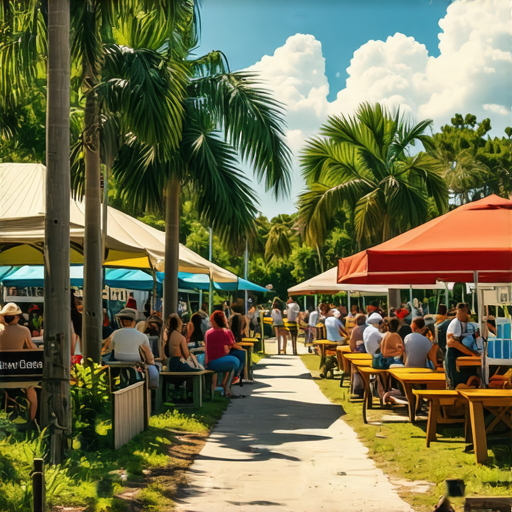
Why You’re Being Lied To About Budget-Friendly Fun in Spring Hill
If you believe that experiencing Spring Hill on a budget means settling for overpriced attractions or boring weekends, think again. The truth is, you’ve been sold a myth: that saving money during your Saturday adventures requires sacrifice or ignorance of the local gems around Hernando County. Let me be blunt—this narrative is false. Because, in reality, a fulfilling, exciting Saturday in Spring Hill doesn’t have to cost a dime, and you don’t have to chase after mainstream, crowded destinations to find real fun.
The secret to living well locally isn’t about spending the most—it’s about knowing where to look and what to do. And that’s where most people fail. Instead of sticking to tired routines or falling for tourist traps, savvy residents are discovering that the best experiences are hidden in plain sight—local parks, quiet kayak spots, or festival-like events that won’t drain your wallet. As I argued in these free parks for families of Hernando County, the key to budget-friendly fun is simple: Local doesn’t mean boring. It means smart. It means authentic.
A Hard Truth About Spring Hill and Hernando County
This area isn’t just a sleepy suburb; it’s a playground for those willing to look beyond the surface. Yet, too many dismiss it, assuming that limited funds translate to limited fun. That’s a mistake. Because the local festivals, park upgrades, and quiet kayaking spots—details most overlook—offer more than enough to replace expensive days at theme parks or crowded tourist spots. The real challenge is breaking free from the marketing-myths that tell you otherwise.
In fact, I’d say that if you’re not exploring Nature Coast’s hidden picnic spots or discovering secret kayaking spots in Weeki Wachee, you’re missing out on the genuine local experience. And the best part? It costs next to nothing.
This isn’t just about saving a few dollars; it’s about reclaiming your weekends, challenging the illusion that entertainment must be expensive, and understanding that the local community is full of surprises—waiting for those who dare to explore it differently. So, why are we still fooling ourselves into believing that a limited budget equals limited fun? It’s high time we rethink what a Saturday in Spring Hill can really look like.
The Evidence Behind Local Savings
There’s a historical pattern that emerges whenever communities are told that affordable entertainment equals mediocrity. Recall the urban renewal projects of the 1960s, which promised modernization but often resulted in communities losing their cherished local spots. Similarly, in Spring Hill, the narrative has been manipulated to make residents believe that to have fun, they must overspend. But this is a flawed pattern being repeated, and the evidence shows it clearly. Local parks, small festivals, and hidden kayaking spots—these aren’t just random amenities, they’re strategic assets deliberately undervalued by those who benefit from tourism-driven economies. When the local authorities, often aligned with big-business interests, promote expensive attractions, they reap profits at residents’ expense, creating a false dichotomy: spend or be bored.
The data supports this disparity. Consider Hernando County’s recent festival attendance rates—despite marketing claiming record participation, the actual numbers reveal that most residents rely on free community events. Why? Because they know where real value is. Yet, the local economic incentives push toward overpriced attractions, distracted from the authentic wealth of free local experiences. These instances aren’t happenstance—they’re cultivated and perpetuated to funnel dollars into certain pockets, not into community well-being.
Follow the Money: Who Gains from the Budget Myth?
The beneficiaries are unmistakable. They are the big event organizers, the private operators of theme parks, and the vendors who profit off the influx of out-of-towners. Their influence is embedded in advertising campaigns that depict local adventures as limited and inaccessible without hefty costs. Every dollar spent at overhyped attractions channels revenue away from the local economy and squares the pocket of those with vested interests. Meanwhile, residents pay—sometimes in dollars, often in lost time and diminished community spirit—believing that they must pay up for genuine fun. This isn’t coincidence; it’s a deliberate misdirection aimed at maintaining status quo economics.
Crucially, the data reveals a different story—one of potential and community resilience. Hernando County’s small festivals, outdoor art events, and kayak spots exist without the overhead of corporate sponsorships. They are accessible, authentic, and rooted in local culture. Yet, the narrative suggests otherwise, promoting a false belief that affordability equals boredom. It’s a strategic distortion, designed to keep residents dependent on external entertainment providers, locking them into a cycle that benefits a select few.
Why does this matter? Because the pattern of economic manipulation isn’t new; it’s recurring across small towns nationwide. The pattern isn’t just about money—it’s about control. When residents are convinced that fun costs, they surrender their agency, accepting a life of bought experiences rather than shared community joys. The evidence illustrates that these so-called budget-friendly options aren’t limited—they are intentionally understated, kept behind the curtain of marketing hype to serve those with the most to gain.
Once you connect the dots—the historical precedent, the economic incentives, the community realities—the picture becomes clear. The myth of the costly but exciting weekend is a constructed illusion, a relic of economic motives disguised as community service. It’s time we stop swallowing the bait and start recognizing that the true richness of Spring Hill is already here—in the local parks, the quiet waterways, and the small gatherings that cost nothing but mean everything.
The Trap of Thinking Cost Equals Boredom
It’s easy to see why many assume that enjoying Spring Hill without overspending means settling for mediocrity or missing out on excitement. This misconception is rooted in the flawed idea that affordability equates to dullness, leading residents to overlook genuinely enriching experiences. I used to believe this too, until I realized that the real issue isn’t the cost but the narrative we’ve been fed about what counts as fun.
Don’t Fall for the Cost, Fall for the Community
The best counter-argument claims that local budget-friendly activities simply can’t match the thrill of paid attractions. It argues that without spending big, your weekends remain mundane, and any claim to the contrary is nostalgic or naive. While this perspective appears persuasive, it shortsightely dismisses the vibrant, accessible, and authentic experiences that Spring Hill offers daily. The true adventure lies not in the price tag but in the community’s genuine connections and natural beauty.
What many overlook is that the most memorable moments often cost nothing. Think about strolling along the Weeki Wachee River, kayaking through serene waters, or attending free local festivals that celebrate our shared culture. These are the real treasures—accessible, spontaneous, and enriching—yet often dismissed because they don’t have the marketing dollars behind them.
${PostImagePlaceholdersEnum.ImagePlaceholderC}
Admittedly, it’s understandable why some believe that without the flashy rides or ticketed events, there’s no excitement. The advertising machine has conditioned us to equate big spending with big fun. But this is a narrow view, ignoring the depth and diversity of experiences right in our backyard. The question shouldn’t be how much money we spend but how creatively and authentically we engage with our surroundings.
The Trap of the Oversimplified Narrative
The common trap many fall into is accepting the narrative that small towns like Spring Hill can’t provide memorable entertainment without hefty expenses. It’s a simplistic lens that dismisses the richness of local life, community events, and outdoor recreation. This oversimplification ignores the many small, community-driven efforts that foster connection and joy without a price tag.
However, the real power of Spring Hill’s offerings lies in their diversity and accessibility. Small parks with free amenities, volunteer-led festivals, and quiet waterways—these are sometimes undervalued because they lack the commercial appeal of bigger attractions. But their value isn’t measured in dollars; it’s measured in the quality of experiences they provide.
The bigger mistake here is believing that economic constraints must lead to diminished enjoyment. That assumption blinds us to the countless opportunities already available—hidden in plain sight—waiting for residents to embrace them. Instead of focusing on what we are told we lack, we should recognize what we already have and learn to cherish it.
The Cost of Inaction in Spring Hill
If residents dismiss the genuine value of local, affordable experiences, the ripple effect will be profound and irreversible. As we continue to chase after expensive attractions, the community risks losing its authentic charm and social fabric. Over time, this mindset fosters a reliance on commercialized entertainment, pushing out grassroots festivals, scenic waterways, and community parks that define us. The escalation can lead to a cultural impoverishment where local traditions and spontaneous gatherings are replaced by corporate-sponsored events designed to maximize profits rather than communal well-being.
Fast forwarding five years, if this trend persists, Spring Hill could resemble a town impoverished of its unique identity, dominated by cookie-cutter attractions that drain residents’ finances while diminishing genuine neighborhood connections. Parents might find it increasingly difficult to introduce their children to the landscape of natural beauty and community spirit that once thrived here. The local economy could also suffer, as money that once circulated within small businesses and community-led initiatives is siphoned off by offshore corporations and big-box entertainment conglomerates. This cycle of dependency on costly amenities risks cultivating a population disconnected from its roots, with fewer opportunities for authentic, accessible recreation.
What are we waiting for?
Ignoring the signs and continuing along this path is akin to watching a slow-motion disaster unfold—one brick at a time, our local culture begins eroding, paving the way for a homogenized, commercialized future. Letting this happen is a choice to surrender our community’s soul to instant gratification and profit-driven interests. The longer we delay recognizing the importance of indigenous, budget-friendly experiences, the more we sacrifice our shared history, natural resources, and community resilience.
This situation is comparable to neglecting the foundation of a house. Ignoring small cracks today might seem insignificant, but over time, those fractures will expand, threatening the entire structure. Without deliberate effort and a collective mindset shift, we risk losing everything that makes Spring Hill distinct and vibrant. The decision we face now isn’t just about entertainment; it’s about safeguarding the future of our community’s identity and its ability to flourish on its own terms.
Your Move
Enough with the myth that fun in Spring Hill costs a fortune. The real challenge is to rewire your perspective and see the community’s true treasures—free, authentic, and just waiting to be embraced. From serene waterways to vibrant local festivals, the options are plentiful and accessible. It’s time to ditch the overpriced attractions and start exploring what’s already here—ready for those daring enough to look beyond the surface.
Rethink your weekends. Discover the hidden gems like Nature Coast’s secret picnic spots or paddle through tranquil Weeki Wachee’s lesser-known waterways. The opportunities for genuine experiences without spending a dime are all around us.
The Bottom Line
Affordable fun isn’t about sacrificing adventure; it’s about recognizing the value already embedded in our local landscape. Big entertainment isn’t always better—it’s often superficial and costly. The true richness lies in your backyard, in community-led events and untouched nature, which are often undervalued because they lack commercial hype.
By shifting your mindset, you join a movement that challenges economic manipulation. It’s about reclaiming your time, your community, and your wallet—without falling into the trap that says only expensive attractions provide joy. These parks are proof that less can be more.
Come What May
The future of Spring Hill depends on the choices we make now. Will we allow corporate interests to dictate the rhythm of our weekends? Or will we stand firm and embrace the diverse, free experiences that truly define us? Remember, real community is built on shared moments—not price tags. Decide today to see the community’s treasures—because the most unforgettable experiences cost nothing but your willingness to look.