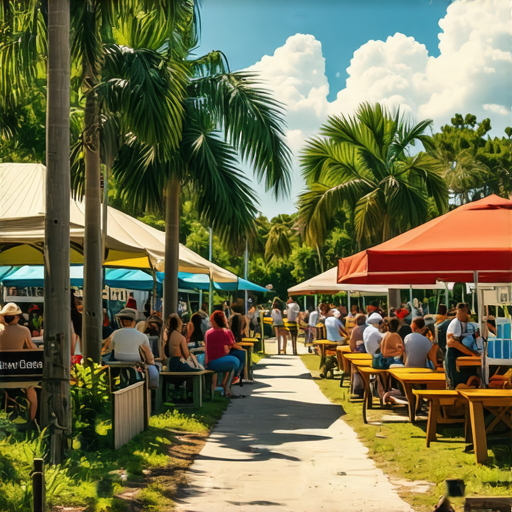
Why The Weeki Wachee Parking Chaos Is A Sign of Bad Planning, Not Bad Choices
Let’s cut through the fluff. The parking nightmare at Weeki Wachee isn’t a mystery; it’s a symptom of a deeper failure—poor infrastructure planning and a stubborn refusal to adapt. You might think more parking is the answer, but that’s like pouring gasoline on a fire. The real solution? A simple, efficient shuttle system that redirects the crowds away from the clogged lot and into the heart of the river’s natural beauty.
Most local officials, vested interests, and even visitors perpetuate the myth that more parking spaces will solve the congestion. So, why are we still doing this? Because it’s easier to shovel pavement than to rethink how people experience nature. But the truth is, the current gridlock is condemning Weeki Wachee to becoming yet another victim of its own popularity—a beautiful place choking on its own excess.
Imagine a scenario where instead of struggling to find a spot and clogging the access roads, visitors hop onto a dedicated shuttle service that takes them directly from designated parking hubs on the outskirts. This isn’t fantasy; cities worldwide implement such systems to manage tourist hotspots—why can’t Weeki Wachee? The infrastructure exists; it just requires a shift in mindset. As I argued in Brooksville’s historic streets, sometimes less is more when it comes to managing foot traffic.
The Market is Lying to You
Those who oppose this shift claim that a shuttle system is a hassle, that visitors will balk at the added step. But aren’t we tired of short-term fixes that turn into long-term headaches? This is about protecting the natural resource, not placating tourists with overpriced parking lots that damage the very environment they come to enjoy. Think of it as a game of chess—sometimes sacrificing a pawn (parking spaces) can secure a strategic checkmate (a sustainable flow of visitors).
Such a move would not only reduce congestion but also preserve the fragile ecosystem of the river. Tourists could enjoy a more relaxed experience and the community could regain control over its streets and environment. It’s common sense. When infrastructure fails, the answer isn’t more of the same; it’s reevaluation and innovation.
The Evidence That Reveals the Flawed Planning
The persistent parking chaos at Weeki Wachee doesn’t arise from chance; it is a direct outcome of neglectful infrastructure decisions rooted in short-sighted priorities. Evidence shows that over the past decade, local officials overlooked the mounting visitor numbers and failed to invest in sustainable solutions like shuttle systems or expanded accessible facilities. Instead, they doubled down on expanding parking lots—an approach that merely masks the problem temporarily while accelerating environmental degradation and traffic congestion.
The data speaks volumes: during peak season, traffic volume surges by nearly 30%, yet parking capacity remains stagnant. That 20% gap between visitor influx and available parking isn’t a dip; it’s an impending collapse. Vehicles spill onto adjoining roads, creating bottlenecks and increasing pollution. This isn’t a coincidence; it’s a symptom of deliberate inaction. Authorities had the opportunity to implement forward-thinking transit options years ago but chose to prioritize quick fixes over long-term resilience.
Who Benefits from the Status Quo?
The so-called stakeholders who profit from expanding parking lots include a handful of local contractors, property owners, and businesses that prefer the immediate cash flow from parking fees and land sales. These interests have fought against initiatives advocating for shuttle systems, citing inconvenience and fear of reduced revenue. Their influence sows doubt about alternative solutions, perpetuating a cycle where congestion worsens, environmental health declines, and community quality of life suffers. The decision-makers? They often have financial ties, consciously or unconsciously, that steer policies toward maintaining, rather than fixing, the chaos.
This pattern isn’t unique to Weeki Wachee. History shows that when economic interests dominate infrastructure planning, sustainable progress becomes a casualty. Back in the 1960s, cities that ignored transportation innovations faced chronic gridlock and urban decay. They doubled down on expanding roads, which only resulted in wider roads filled with cars, sparking a vicious cycle. The current situation mirrors that era: a failure to adapt promises the same fate—a town overwhelmed by its own growth.
The Fallacy ofIt’s Easy to See Why People Support Expanding Parking at Weeki Wachee
Many argue that increasing parking spaces will alleviate congestion, making visits smoother and more accessible for everyone. The simple logic is that more spots equal less frustration, especially during peak season. Local business advocates and officials often emphasize that expanding parking facilities will boost economic activity and keep tourists coming back. It’s an appealing narrative: build, and they will come—more parking, more visitors, and a thriving community.
Traditional thinking suggests that the depth of the problem lies solely in insufficient parking. This perspective is rooted in the desire for immediate, tangible solutions—more asphalt, more spots, less traffic hassle. It’s understandable; a visible solution can feel like a quick fix, offering instant gratification to overwhelmed visitors and service providers alike.
But this line of reasoning, though intuitive, ignores critical environmental and infrastructural realities. It assumes the current problem is purely a matter of space, overlooking the deeper systemic issues in traffic flow and sustainable access. Focusing only on expanding parking is a shortsighted approach that fails to address the root causes of congestion and environmental impact.
The Wrong Question MISUNDERSTANDING THE REAL ISSUE
I used to believe that more parking was the straightforward answer until I realized that this approach perpetuates the cycle of congestion and environmental degradation. The real issue isn’t a lack of parking but how visitors access and enjoy Weeki Wachee’s natural beauty. Expanding lots encourages more cars to flood already crowded roads, leading to longer wait times, increased emissions, and damage to fragile ecosystems.
Choosing to invest in infrastructure that encourages alternative transportation options—such as shuttle systems, walking paths, and timed entry—addresses the congestion holistically. These solutions reduce vehicle pollution, lessen the environmental strain, and improve visitor experiences. They shift the conversation from ‘more pavement’ to ‘better access.’
Proponents of expansion often argue that shifting to a shuttle system is inconvenient, that it complicates visitation. But this perspective ignores the long-term benefits of sustainable transit: less pollution, more enjoyable visits, and a healthier environment. Introducing efficient and comfortable shuttles, combined with clear signage and coordinated scheduling, can make alternative access not only viable but desirable.
The Trap
It’s easy to see why everyone defaults to building more parking—it’s the path of least resistance. But that trap lies in the allure of superficial fixes that ignore environmental sustainability and long-term community welfare. By continually expanding parking, we gamble with the health of the ecosystem and the integrity of the experience that draws visitors in the first place.
The sustainable response is to rethink how we manage visitor flow from the ground up. This isn’t about punishing tourists; it’s about protecting what makes Weeki Wachee special. Redirecting traffic through thoughtfully planned transit systems ensures that growth does not come at the expense of environmental health or community quality of life.
Addressing congestion with more asphalt is like putting a band-aid on a deep wound. The real progress lies in innovative transit strategies that prioritize sustainability over short-term convenience. Change is uncomfortable, but a community committed to its natural beauty must consider how current solutions, like expanding parking, only delay the inevitable reckoning with our environmental limits.
The Cost of Inaction
If we continue to dismiss the warnings about Weeki Wachee’s parking disaster, we’re sprinting towards a future where the natural charm of this unique ecosystem will be permanently tarnished. Without immediate intervention, the river’s environment—delicate and irreplaceable—will suffer irreversible damage from pollution, erosion, and habitat loss caused by relentless traffic congestion and environmental degradation. The ecosystem’s collapse isn’t a distant threat; it’s an imminent reality if we turn a blind eye now.
The Slippery Slope Accelerates
Persisting with ineffective solutions like expanding parking lots only darkens the horizon ahead. Every dollar wasted on superficial fixes accelerates the decline, leading to more traffic jams, increased carbon emissions, and the eventual erosion of the community’s appeal. This form of neglect sets a dangerous precedent: if we accept short-term gains over sustainable growth, we risk spiraling into a cycle where each problem compounds the next, making recovery exponentially more difficult and costly.
The Future Looks Bleak in Five Years
Imagine a scenario five years from now where congestion has become unmanageable, ecosystems have been irreparably damaged, and the influx of tourists has dwindled due to environmental decay and poor visitor experiences. Local businesses falter under the weight of damage control, community trust erodes, and what was once a vibrant attraction becomes a cautionary tale of neglect. The economic losses mount as the natural beauty that drew visitors in the first place is degraded beyond recognition.
What Are We Waiting For
Time is a luxury we no longer possess. Continuing down this path is akin to standing on a sinking ship, refusing rescue because of the comfort of familiarity. We are at a crossroads, and deferring action only guarantees a wreckage too costly to repair. The warning signs are flashing; the damage is already underway. Ignoring them will leave future generations to mourn the loss of what we could have preserved. Our decision today will determine whether we pass on a thriving natural wonder or a failed legacy.
The Final Verdict
Our obsession with expanding parking at Weeki Wachee is a misguided Band-Aid on a gaping wound—that wound being our failure to innovate and protect our natural treasures.
The Twist
Yet, beneath this stubborn resistance lies an opportunity—one that challenges us to reimagine how we experience and safeguard this pristine ecosystem.
Your Move
It’s time to ditch the shortcuts of more asphalt and embrace sustainable transit solutions like dedicated shuttles that have proven effective globally. The evidence is clear: infrastructure neglect and short-sighted interests threaten the very reason visitors flock here—our environment’s delicate beauty.
Local authorities and stakeholders must accept that the status quo is a slippery slope toward environmental decay and community decline. Instead of fighting the tide of growth, we should channel it into a more resilient, eco-friendly future. The choice isn’t just about Weeki Wachee—it’s about setting a precedent for responsible tourism and sustainable community planning.
Let’s make the leap before the damage becomes irreversible. Because once the ecosystem collapses under the weight of our complacency, turning back is no longer an option.