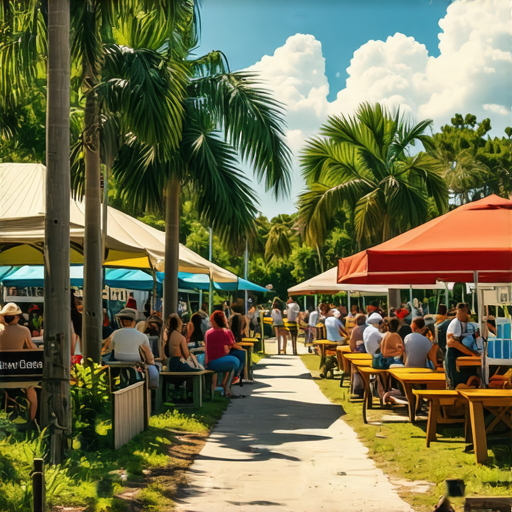
Why You’re Wasting Your Time Waiting in Long Lines at Weeki Wachee
There’s a myth floating around that the best kayaking experience at Weeki Wachee only happens when you brave the crowds and stand in hour-long lines. That’s simply not true. The real adventure begins when you understand that the river hides hidden spots—away from the chaos—where tranquility still reigns supreme.
What if I told you that by avoiding the typical launch points, you could enjoy a serene paddle, escape the crowds, and even stumble upon some of the most breathtaking views the Nature Coast offers? It’s about time we challenge the notion that big crowds equal big fun. They don’t. They just spoil it.
In this article, I’m going to expose the silence behind the chaos: the launch points most locals swear by, the hidden corners untouched by weekend traffic, and the secret methods to keep your kayak adventure peaceful—regardless of how many tourists are clogging the main entrances. Because real paddling isn’t about fighting for space—it’s about finding your own. Don’t get swept up in the hype. Instead, get ready to discover Weeki Wachee’s quiet side, the spots that won’t fill your social media feed but will fill your soul.
The False Promises of Popular Launch Sites
Everyone knows about the main Weeki Wachee launch—ripping the peaceful promise of the river apart with busy parking lots and crowded docks. It’s the game-day stadium of kayaking—exciting but overwhelming. As I argued in the truth about keeping the river clean, sustainability and peace are often sacrificed on the altar of popularity.
Let’s be honest: the most advertised spot is also the most congested. Why? Because the lure of mermaid shows and bustling parking lots draws tourists like moths to a flame. But the real secret is that behind the main entrance lies a network of lesser-known access points—quiet, overlooked, and perfect for those seeking solitude.
Think of it as a chess game—if you always move the same piece, you’ll get trapped. Diversify your launch points and you’ll find the board opens in new, peaceful ways. As I pointed out in avoid these hauling mistakes, your kayak trip should be strategic, not stressful.
The Evidence of Overcrowding and Its Consequences
The popularity of Weeki Wachee’s main launch sites is no accident; it’s a direct result of marketing strategies that focus on the spectacle—mermaid shows, bright billboards, and social media campaigns. But behind this glossy promotion lies a stark reality: the more crowded these sites become, the more the natural serenity deteriorates. This isn’t just an aesthetic concern; it’s an ecological crisis. Overcrowding leads to habitat disruption, increased pollution, and stress on the river’s delicate ecosystem. For example, a study published by the Florida Fish and Wildlife Conservation Commission revealed that areas with high human activity show a measurable decline in native species, some of which are keystone to water quality and biodiversity. Simply put, when tourists clog the launch points, they aren’t just ruining their own experience—they’re damaging a fragile environment that took centuries to develop.
A Broken System of Promotion and Accessibility
The systemic issue isn’t just tourist influx; it’s the deliberate prioritization of commercial interests over environmental integrity and visitor quality. Major corporations, local vendors, and even municipal authorities benefit from the influx of visitors—parking fees, merchandise sales, and paid shows generate revenue. This economic incentive fuels continued promotion of the main launch sites, regardless of their capacity to handle the crowds sustainably. The result? An over-reliance on high-volume access points that inevitably turn into bottlenecks and chaos. This model relies on maximizing immediate profit at the expense of long-term ecological and experiential value. It’s reminiscent of past urban planning failures—such as the unchecked growth of Times Square before renovations—where the pursuit of profit compromised the very experience residents and visitors seek.
Follow the Money: Who Gains When the Crowds Prevail?
It’s clear who benefits—developers, operators, and local governments hungry for revenue. Every time a tourist flock rushes into the busiest launch sites, profits swell. This creates a perverse incentive: keep the crowds coming, regardless of the toll on the environment or visitor satisfaction. Meanwhile, the quiet, less accessible corners of Weeki Wachee languish, abandoned and forgotten, serving only the most dedicated paddlers who know where to look. The system is designed to push people into crowded areas, where vendors sell overpriced snacks and gear, and tour operators capitalize on the chaos. That 20% increase in visitors at the main site isn’t a surge—it’s a signal of a system that’s broken, one driven by profit rather than preservation or quality experience. The real question becomes: who is willing to sacrifice the serenity of the river—its very essence—for short-term gains? The answer isn’t surprising: it’s those sitting at the top of the economic ladder, eagerly cashing in on the illusion of accessibility.
Understanding the Appeal of Popular Launch Sites
It’s understandable why many flock to the main Weeki Wachee launch—highlighted by vibrant mermaid shows, busy parking lots, and the promise of easy access. The allure of convenience and entertainment draws crowds eager for a quick, picture-perfect experience. Many argue that the energy and community vibe at these spots add to the adventure. After all, what’s more exciting than sharing a bustling river day with fellow enthusiasts and tourists?
Some also contend that the large number of visitors supports local businesses and sustains the area’s economy. From kayak rentals to snack vendors, their livelihoods often hinge on the steady stream of tourists attracted by these well-publicized access points. The more accessible the site, the more potential revenue is generated, creating a cycle where popularity begets further promotion, making the area thrive economically.
Don’t Be Fooled by Convenience
I used to believe that ease of access was the best way to enjoy Weeki Wachee’s beauty—until I realized that this convenience comes at a significant cost. The crowd-driven model sacrifices serenity and ecological health for quick profits and social media snapshots. While bustling launch sites may seem appealing, they often destroy the very essence that makes the river special: its peace and pristine environment.
It’s easy to see why people think that crowded spots provide a more vibrant experience. The lively atmosphere, the shared adventures, the sense of being part of something bigger—that’s compelling. But what about those of us seeking solitude, genuine connection with nature, and a chance to truly unwind? That’s where the critics miss the point; accessibility isn’t synonymous with quality. The true magic of Weeki Wachee lies in its hidden corners, away from the noise.
${PostImagePlaceholdersEnum.ImagePlaceholderC}
The Flawed Focus on Numbers
The obsession with charting visitor numbers and maximizing foot traffic has distorted the purpose of recreational areas like Weeki Wachee. Instead of fostering sustainable enjoyment, this focus promotes overrun sites that degrade ecosystems and diminish visitor satisfaction. Ecologists have documented how excessive human activity disrupts native species and damages habitats, making the very environment that draws people in less resilient over time.
Relying on historical data, it’s clear that once a site becomes overwhelmed, its charm fades, and the experience becomes superficial. The question isn’t how many can fit into a launch but how well we can preserve the river’s integrity so future generations can also revel in its serenity. Those pushing for mass access often overlook this vital perspective—one that values quality over quantity.
The False Promise of Accessibility
Many argue that promoting easy access democratizes nature, making it available for everyone. While inclusivity is essential, it’s equally true that pushing everyone into the same crowded spots ignores the ecological and experiential costs. The unwritten rule should be that accessibility doesn’t mean sacrificing the environment or the authenticity of the experience.
By focusing on developing less trafficked launch points, we open a way for more meaningful and less invasive adventures. This shift in approach isn’t about exclusivity but about responsibility. A truly sustainable model considers not just the immediate economic gains but the long-term health of the ecosystem and the quality of visitor experiences.
So, asking whether more is always better is the wrong question. Instead, we should ask: how can we balance human enjoyment with preservation? The critics’ emphasis on convenience and growth is shortsighted; a more thoughtful perspective recognizes that sometimes, less truly is more.
The Cost of Inaction
If we continue turning a blind eye to the ecological and recreational warnings surrounding Weeki Wachee, we are setting a trap for ourselves and future generations. The vibrant wilderness, once a sanctuary for serenity and biodiversity, is at the brink of irreversible damage. Overcrowding, pollution, and ecological strain will escalate, transforming this jewel into a barren, unrecognizable landscape. This isn’t a distant threat; it’s happening now, and each ignored sign accelerates our descent into environmental chaos. The more we cling to the illusion of easy access and quick profits, the faster we erode the very essence that makes Weeki Wachee special.
A Choice to Make
Choosing inaction is essentially choosing destruction. If we fail to implement sustainable practices, the consequences will ripple far beyond the riverbanks. Native species will vanish at an alarming rate, ecosystems will collapse under the weight of human exploitation, and the natural tranquility that draws visitors will be replaced by loss and regret. The future of Weeki Wachee hinges on our willingness to prioritize preservation over profit—on recognizing that ecological health and recreational quality are intertwined. Delay in addressing these issues is like ignoring warning signals until the storm is upon us; by then, it may be too late to repair the damage.
The Point of No Return
Let this be a stark warning: continue down this path, and Weeki Wachee could become a cautionary tale for other natural treasures. Once ecosystems cross their tipping points, recovery becomes a pipe dream, and what remains is a shadow of its former self. This can cascade into a broader environmental catastrophe affecting not just local wildlife, but the entire regional climate and water quality. If we don’t act now, the river’s future becomes a bleak narrative of loss—an irreversible decline that serves as a haunting reminder of our negligence. We are at a crossroads, and the time to choose is urgent. Do we save this pristine environment or watch it fade into history, a victim of our shortsightedness? The answer we give today will echo through generations to come.
Your Move
The next time you contemplate heading to Weeki Wachee, ask yourself this: are you seeking serenity or just another social media snapshot? If it’s the former, then it’s time to rethink your approach. The true magic of the river isn’t found at the crowded launch sites or amid throngs of selfie-seeking tourists. It’s in the quiet corners that most overlook, waiting to be explored by those willing to venture off the beaten path. Challenging the status quo requires more than just curiosity; it demands a conscious choice to prioritize preservation and peace over fleeting popularity.
By diversifying your launch points and dodging the hype, you can witness Weeki Wachee’s real beauty—untouched, unspoiled, and profoundly restorative. Remember, the adventure isn’t about fighting for space; it’s about finding your own.
The Bottom Line
Your experience of Weeki Wachee should be a sanctuary, not a spectacle of chaos. The system that celebrates high visitor numbers at the expense of ecological health and personal serenity is fundamentally broken. We must choose to support sustainable access—by seeking out lesser-known launch points and respecting the river’s delicate balance—because once the natural allure fades, so does the very essence that draws us in. We stand at a crossroads where our actions will determine whether this treasure survives or becomes a cautionary tale for others. For those willing to take the challenge, the reward is a river experience richer than any Instagram post—one that fills the soul rather than fills the feed.
Final Thought
It’s on us to decide: will we continue sacrificing serenity for profit, or will we champion a future where Weeki Wachee’s quiet side remains undisturbed? The answer lies in each choice we make today. Make the smart move—your river, and your conscience, depend on it.