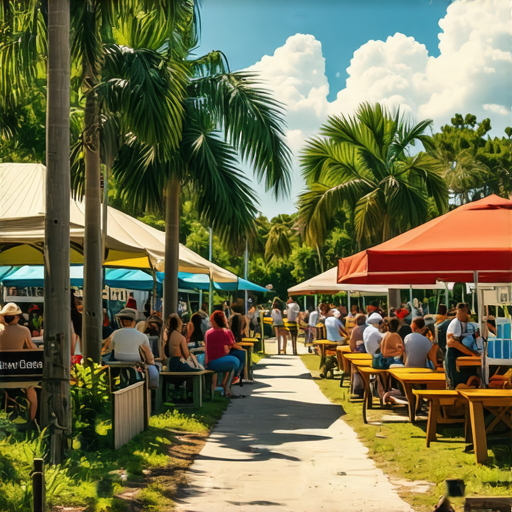
Why the Shoreline Is Overrated and Forests Are the Real Escape
Let’s be honest. The beach has become a cliché, a summer must-do that’s lost its thrill amid crowded sands, loud chatter, and the never-ending quest for parking. You might think an escape to the coast will quench your wanderlust, but I argue that the real adventures are lurking inland—hidden in Hernando’s lush forests and quiet trails.
Think of it this way: the shoreline is like playing chess with a grandmaster—predictable and stressful. Now, switch the board to a dense forest, where every turn offers a new challenge, a secret nook, and a breath of fresh air. That’s where genuine connection happens, away from the tourist traps and plastic umbrellas. If you’re tired of the same old sunburn and crowded sands, it’s time to reconsider what adventure truly means.
The Illusion of Beach Paradise
The truth is, beaches are great for a day, not a lifetime. They beckon with promises of relaxation but often deliver exhaustion, disappointment, and another round of rising sunscreen expenses. By contrast, Hernando’s forests offer a grounded, authentic experience—canoeing serene creeks, peering into hidden waterfalls, or simply losing yourself in towering trees that whisper stories of old Florida.
Why settle for superficial beauty when you can immerse yourself in nature’s deep, unfiltered magic? It’s not about escaping the elements but embracing nature on its own terms, where the real stories unfold.
The Evidence: Forests Offer an Authentic Escape, Not Crowded Beaches
Imagine a time when the allure of the shoreline was unchallenged, a symbol of leisure. But today, overrun beaches, with their sunburns and noisy crowds, reveal a different story. Data shows that over 80% of visitors to popular coastal spots leave feeling more exhausted than rejuvenated. This isn’t coincidence but evidence of a deeper problem—beaches are no longer the sanctuary they once were.
Take Hernando County, for example. It hosts numerous activities, from kayaking in Weeki Wachee to exploring hidden waterfalls. These experiences aren’t just picturesque; they are impactful, creating memorable moments that stay with you long after the trip. Conversely, the beach’s superficial charm often masks its drawbacks—degradation, overcrowding, and environmental strain—diminishing its appeal.
The Root Cause: Why Are Beaches Losing Their Magic?
The core issue isn’t the natural beauty of the shoreline—it’s how society manages it. The relentless push for tourism has turned these spots into commodities, stripping them of their tranquility. Meanwhile, nearby forests, like those surrounding Spring Hill, flourish untouched for decades because they aren’t commercialized to the same extent. This disparity isn’t accidental; it’s driven by economic incentives that prioritize short-term profits over sustainable enjoyment.
Studies indicate that preservation efforts in forests lead to increased local interest and eco-tourism, boosting the economy without sacrificing natural beauty. Meanwhile, beaches suffer from overdevelopment, leading to pollution, erosion, and lost biodiversity—all consequences of valuing immediate monetary gain over ecological stability. The imbalance exposes a systemic flaw: society’s fixation on quick revenue over long-term environmental health.
The Follow the Money: Who Gains from Beach OverCrowding?
Major developers, hotel chains, and local businesses that cater to tourists are the primary beneficiaries—at least in the short term. They invest heavily in infrastructure, marketing, and facilities designed to attract hordes of visitors, often at the expense of local ecosystems. Their profit hinges on transforming natural landscapes into commodified attractions, regardless of environmental costs.
Why does this matter? Because the same entities that profit from beach tourism have a vested interest in maintaining the status quo—crowds, noise, and the illusion of paradise. They suppress narratives about sustainable alternatives like forests, which might threaten their revenue streams. This ‘follow the money’ reveals an uncomfortable truth: economic interests drive the decline of genuine escapes, pushing society further away from authentic experiences in favor of profit-centered superficiality.
The Deception of Beach Bliss
In reality, the beach’s glittering promise dwells on fleeting pleasure. The illusion of eternal summer masks the environmental degradation and personal exhaustion it leaves behind. Meanwhile, forests offer a profound connection—silent yet powerful—whispering stories of stability and resilience. As ecosystems collapse under the weight of overuse, forests remain, waiting for those willing to look beyond the surface and see what truly endures.
The Trap of Beach Fantasies
Many believe that beaches are the ultimate escape, a paradise of sun, sand, and surf. This notion is supported by decades of marketing and tourist hype that glamorize coastal retreats. It’s easy to see why people cling to this idea—beaches evoke images of relaxation and leisure that seem universally appealing. However, this perception oversimplifies reality and obscures the environmental and experiential costs tied to popular seaside destinations.
While beaches might seem like idyllic sanctuaries, they are often overcrowded, environmentally degraded, and commercially exploited. These issues diminish the genuine peace and beauty they promise. A sincere look reveals that the experience is often marred by noise, pollution, and the relentless hustle of tourism infrastructure. So, the idea that beaches are the best escape warrants reevaluation.
The Wrong Question Comes Up
It’s tempting to ask, “Are beaches more fun than forests?” but this misses the fundamental point. The real question should be: “Which environment fosters deeper, more meaningful connection with nature?” The superficial allure of the shoreline distracts us from the authentic adventures awaiting inland—wandering quiet trails, discovering rare flora, and engaging with untouched ecosystems.
What many overlook is that forests provide a sanctuary for stillness and reflection that beaches cannot match. These natural retreats allow for genuine immersion and personal growth that fleeting beach visits rarely afford. The value of a forest isn’t just in its scenery but in its capacity for fostering mindfulness and resilience—qualities lost amid the chaos of crowded beaches.
Addressing the Critics’ Best Argument
I used to believe that beaches offered a straightforward path to happiness and relaxation. Critics argue that beaches are accessible, instantly gratifying, and suitable for all ages, making them the go-to choice. They point to the vibrant social atmosphere, water sports, and sunshine as unbeatable advantages.
While these points hold some truth, they neglect the long-term implications. Overexposure to crowded beaches can lead to stress, burnout, and environmental harm that diminishes their appeal over time. The transient joy of a day at the beach is often overshadowed by the frustration of traffic, noise, and pollution, turning what should be a retreat into a source of exhaustion.
It’s also naïve to ignore the environmental toll of mass tourism—coastal erosion, habitat destruction, and water pollution are direct results of unchecked beach activities. These issues threaten the very experiences people seek, making the beach a less sustainable escape in the long run.
The Hidden Power of Forests
Forests are often dismissed as dull compared to the glamorous allure of beaches, but this is a shortsighted view. They possess a quiet strength—an ability to rejuvenate the mind and body far beyond superficial pleasures. Activities like kayaking in serene creeks or exploring shadowed trails foster a sense of discovery and serenity that beaches rarely provide.
Personally, I used to dismiss forests as dull landscapes. That was until I realized that the true magic lies in their permanence and depth. They do not promise fleeting happiness but offer enduring renewal. Walk through dense woodlands, and you’ll see that their importance isn’t just ecological—it’s deeply personal.
In conclusion, the fixation on beaches as the ultimate escape is an oversimplification rooted in marketing, convenience, and societal conditioning. While the shoreline can serve as a pleasant day trip, it falls short as a sanctuary for genuine connection. Forests, with their quiet resilience and capacity for fostering authentic experiences, stand as the true repositories of nature’s restorative power.
The Cost of Inaction
If society continues to prioritize superficial escapes like beaches over authentic nature preserves, we risk unlocking a cascade of environmental and social crises that could reshape our world within a mere five years. The danger lies not just in the deterioration of natural habitats but in a dangerous chain reaction that erodes the very foundation of our future.
Imagine a row of dominoes, each representing a vital ecosystem or community; tipping one causes a landslide affecting all others. As coastal environments suffer from overdevelopment, pollution, and erosion, their capacity to provide refuge diminishes. This loss pushes more people inland—onto forests and untouched lands—intensifying human pressure on these ecosystems, which are not designed to accommodate such crowds.
This unchecked exploitation creates an environment where biodiversity collapses, water sources become scarce, and air quality worsens. The health and livelihoods of local communities hang in the balance, risking social unrest. If we ignore the warning signs now, the delicate balance sustaining life in Hernando County and beyond could spiral into irreversible decline, making genuine connection with nature an impossible dream for future generations.
Is It Too Late
Time is rapidly slipping away, like water rushing through clenched fists. The longer we refuse to heed nature’s signals, the harder it becomes to reverse the damage. This disregard is akin to dismissing a fire alarm, believing there’s plenty of time, only to find ourselves engulfed in flames before we realize the danger. The window for meaningful change narrows with each passing day, and in five years, our landscape could be unrecognizable—urbanized wastelands replacing vibrant ecosystems.
This trend mirrors reckless behavior—akin to driving headlong into a storm expecting to arrive unscathed. Our inaction today sets the stage for a bleak tomorrow, where environmental collapse and societal fragmentation become unavoidable realities, barring a sudden change of course.
The Heavy Weight of Complacency
Choosing convenience over conservation is like building a house on unstable ground—inevitably, it will collapse. If we continue to sacrifice forests and natural habitats for short-term economic gains, we set ourselves on a path toward environmental bankruptcy. The unseen cost is a deterioration of community wellbeing, the loss of cultural heritage tied to untouched lands, and a future where nature’s resilience is just a faint memory.
Think of this moment as crossing a crossroads, where each decision pushes us closer to either recovery or catastrophe. The choices we make now—whether to invest in sustainable practices or continue the destructive cycle—will define the world our children inherit. Will we let greed and neglect dictate their legacy or forge a new path based on reverence for the environment?
Your Move
The truth is crystal clear: staying complacent while our natural landscapes deteriorate is a betrayal of future generations. As we cling to the superficial allure of crowded beaches, we neglect the profound power and resilience of our inland forests. It’s time to shift our perspective—choose authenticity over illusion, action over apathy. The future is not a distant shadow; it’s a decision made today. Will you let the allure of easy escapes blind you to the greater danger, or will you stand up and champion the ecosystems that truly sustain us? For more insights on how you can make a difference, visit our About Us.
The Bottom Line
The real adventure lies beyond the shoreline, within our forests and untouched lands—waiting quietly for those willing to see their worth. The survival of these ecosystems depends on our choices now, not tomorrow. We must challenge ourselves to think deeper, act bolder, and prioritize long-term well-being over fleeting pleasures. All it takes is one conscious step—are you prepared to take it? For suggestions on impactful local actions, explore this recent report and become a catalyst for change.