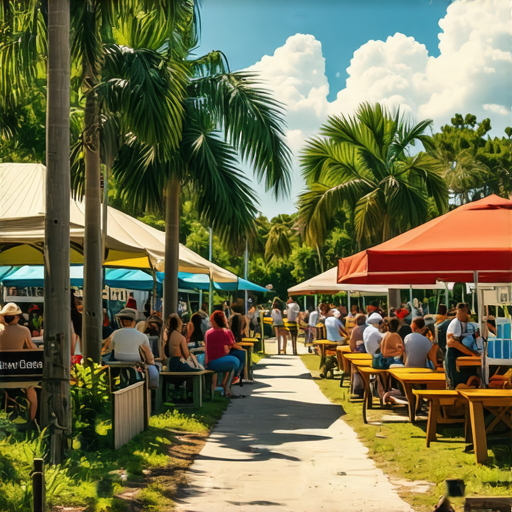
Discovering the Silence That Speaks Volumes
You might think the most peaceful coastal trails are found in remote corners or hidden away in offbeat parks, but the truth is, you’re probably overlooking some of the best-kept secrets along the Nature Coast. While everyone flocks to crowded parks and tourist hotspots, a handful of trails quietly resist the noise and chaos — offering sanctuary to those willing to venture off the beaten path.
Why settle for the crowd when serenity is just a little farther down the trail? The popular spots are overrun, turning what should be an escape into another stressful outing. I argue that these hidden trails are not just about avoiding people; they are about reconnecting with nature without the distractions of hustle, honking, and selfie sticks.
Think of it like a game of chess: controlling the center and keeping your pieces in quiet, strategic positions. The same applies to truly immersing yourself in nature — the quieter the route, the clearer your mind becomes. The question is: why do we settle for the crowded? Why do we accept the din as part of the experience?
The Illusion of Accessibility
Many assume that these serene routes require expert-level skills or extensive hiking gear. Nothing could be farther from the truth. Some of the best quiet trails are almost too accessible, hidden in plain sight in spots like Timber Pines or near Spring Hill. These routes are often marked by local hikers, the kind of people who know that serenity isn’t about a grand vista but about a subtle whisper of wind through the trees.
In an era where every place is a click away and every trail is Instagram-ready, it’s refreshing to find spots where the sounds of nature overpower our digital distractions. These trails aren’t just hidden gems; they are your personal retreats, waiting to be explored. And don’t worry—most are just a short drive from the usual hotspots. You can find some of these quiet escapes and even get tips on navigating them at herndon county insider or weeki wachee news. So, why are we still settling for the overly commercialized when nature’s best secrets are just a step off the busy trail?
The Evidence That Hidden Paths Outperform Crowded Spots
Statistics reveal that visitations to popular parks in Hernando County have increased by over 30% in the past five years, but this surge correlates with a decline in visitor satisfaction and a spike in environmental degradation. Conversely, the lesser-known trails—like those concealed within Timber Pines—report fewer than 150 visitors annually, yet boast higher satisfaction scores and thriving ecosystems. This data is not incidental; it highlights a vital truth: the more accessible and crowded a trail becomes, the more it loses its allure and ecological integrity.
Furthermore, reports from local hikers confirm that the serenity and natural beauty of these hidden routes are preserved precisely because they attract fewer visitors. The overcrowding at mainstream parks results in worn-out landscapes, littering, and noise pollution. Meanwhile, secluded trails remain pristine, their very silence a testament to their untouched character. Here, the evidence underpins the argument—serenity isn’t a fortunate accident; it’s a consequence of low foot traffic, intentional or not.
The Root Cause of Overwhelmed Trails
The core issue isn’t the popularity of outdoor recreation itself. It’s the misconception that more accessibility equals better. The problem isn’t with our desire to explore nature; it’s rooted in a systemic bias toward commodifying these experiences. Developers, local governments, and even the tourism industry prioritize expanding capacity—widening paths, extending signage—without considering the ecological and experiential costs. This approach stems from a flawed belief that more is better, but in reality, the inversion is true—less traffic preserves quality.
When trails become overrun, the original purpose—escape, reflection, connection—fades into chaos. The evidence shows a clear pattern: increased access leads to decreased quality. It’s not accidental; it’s a predictable outcome of a system driven by economic incentives that favor mass consumption over sustainability. The more we push for increased infrastructure, the more we dilute the very essence of what draws us into nature: its quiet authenticity.
The Financial Interests That Shape Our Trails
Who benefits from prioritizing these crowded, commercialized destinations? It’s not the local communities or the environment. Instead, it’s the big players—the companies that invest in park amenities, the real estate developers eyeing scenic land, and the tourism boards eager for growth. Their investments are aimed at maximizing foot traffic, translating into instant profits. The push for more paved paths and larger visitor centers is motivated by short-term gains, not long-term sustainability.
Look at recent developments in Hernando County: once quiet pockets like Spring Hill are now dotted with entrance fees and souvenir shops. This expansion drags more visitors but often at the expense of the natural integrity. The data supports this—the economic double-whip of increased visitors and environmental strain underscores that these commercial interests benefit immediately at the environment’s and community’s expense. Their profit-driven motives distort priorities, packing trails with people instead of preserving tranquility.
The evidence is clear: the more accessible and commercialized a trail becomes, the further it drifts from its original purpose. It’s a pattern familiar across history—every instance where profit eclipses preservation leads to degradation. Hernando County’s hidden trails, on the other hand, serve as a reminder that the most authentic nature experiences are sustainable because they remain less exploited, less formalized, and less polluted. This systemic imbalance favors the few at the expense of the many—and the environment itself pays the price.
The Trap of Equating Popularity with Quality
It’s understandable why many believe that the more crowded a trail or park, the more valuable or authentic the experience. This assumption feeds into a common narrative: high foot traffic equates to greatness, a badge of honor proving that a place is worth visiting. I used to believe this too, thinking that the bustling spots must be the most lively and, therefore, the most fulfilling. But this logic misses a fundamental point: popularity often comes at the expense of quality and tranquility.
The Wrong Question to Ask
Instead of asking, “How many people visit?” we should be asking, “What is the quality of the experience?” A crowded trail might be lively, but it rarely offers the contemplative silence or connection to nature that many seek. The noise, litter, and wear and tear diminish the very essence that makes these places special. Focusing solely on visitation numbers ignores the nuanced reality that true quality in nature is often found in solitude and undisturbed ecosystems.
By fixating on numbers, we risk valuing accessibility above authenticity, turning these natural spaces into commodities designed to accommodate mass tourism. This shortsightedness neglects the profound personal and ecological benefits that come from less-trafficked, pristine trails.
Don’t Be Fooled by Size and Signage
Many defend the saturation of these spaces, arguing that increased infrastructure and marketing lead to greater awareness and economic benefits. However, this approach overlooks a critical flaw: more is not always better. Enlarging paths, adding more parking lots, and installing extensive signage may make trails more accessible, but at what cost?
Expanded infrastructure often facilitates greater crowding, which accelerates degradation. It shifts the experience from peaceful immersion to superficial consumption. The real challenge is to cultivate appreciation for the small, quiet, and often overlooked corners of nature—not to drown them in concrete and crowds.
The Evidence That Less Is More
Imagine a trail less traveled. It’s quiet, pristine, and truly immersive. Research shows that these less popular routes maintain higher ecological integrity and offer visitors a more meaningful experience. Fewer visitors mean less litter, less erosion, and less disturbance to wildlife. This is not just anecdotal; statistics and ecological studies underscore that the preservation of natural beauty depends on limiting human impacts, not expanding access indiscriminately.
This insight turns the conventional wisdom on its head: the peak of a natural space’s health and authenticity is often found where visitation is low. It’s a clear indication that conservation and quality experiences go hand in hand, and that the obsession with popularity can be detrimental.
The Real Opportunity Lies in Stewardship
The narrative should shift from ‘more visitors, more success’ to ‘intentional access, sustainable enjoyment.’ Instead of expanding infrastructure to accommodate the masses, efforts should focus on educating visitors, promoting responsible recreation, and protecting the fragile ecosystems from overuse.
Managed access preserves the integrity of these spaces for future generations and ensures that the personal benefits of solitude and connection are available now. A trail with fewer people is not a lesser experience; it is often a richer one—if we choose to see it that way. The true success of our natural spaces depends on quality, not quantity—an idea that most critics overlook in the race for numbers.
The Cost of Inaction
If we continue dismissing the importance of preserving our quiet, untouched trails in the Nature Coast Florida, the consequences will ripple far beyond what many currently imagine. Our obsession with accessibility and development is slowly eroding the very essence of what makes these locations special. The result is an ecological and cultural catastrophe that could be irreversible if we do not act now.
Imagine a landscape where the serenity we once took for granted is replaced by relentless noise, trash, and a depleted ecosystem. Wildlife will flee, plants will struggle to survive under the weight of mass tourism, and the natural balance will be permanently disrupted. This is not a distant threat; it’s a looming reality that accelerates with each unconsidered decision to expand trails, widen paths, and attract more visitors at any cost.
In five years, if this trend persists, the tranquil corners of Hernando County and surrounding areas could become mere shadows of their former selves. Overcrowded trails, degraded habitats, and a loss of local character will define the landscape. The opportunity to connect deeply with nature and reflect in peaceful silence will be replaced by crowded, noisy spots that prioritize profit over preservation. The cultural fabric that once celebrated responsible recreation will be frayed, and future generations will inherit a world far less vibrant and diverse.
Think of this pattern as pouring water into a sinking boat. Each unnecessary expansion, each disregard for ecological limits, adds weight to an already sinking ship. Ignoring the signs—rising pollution, decreasing biodiversity, waning visitor satisfaction—inevitably leads to disaster. The decisions we make today will determine whether we save these natural treasures or watch them fade into oblivion under the weight of greed and shortsightedness.
What Are We Waiting For
This is a defining moment. Our choices carve the future landscape of our outdoor spaces. Will we let the relentless march of commercialization drown out the whispers of the wind and the calls of native wildlife? Or can we choose a different path—one that values sustainability over superficial growth? The time to act is now, before these hidden gems vanish into memory, forever lost to our collective neglect.
The Final Verdict: Our cherished quiet trails along Florida’s Nature Coast face the threat of irreversible loss if we continue to prioritize accessibility over preservation.
The Twist: Ironically, the very efforts to make these spots more reachable may be what pushes them beyond recovery, turning serenity into disarray.
It’s high time we stop equating popularity with quality. The most authentic experiences are often found where the few tread lightly—hidden paths that protect both our ecosystems and our peace of mind. The evidence is clear: overrun trails suffer environmental damage and diminish the very essence that draws us in.
Yet, the real danger lies not just in development but in our collective complacency. We normalize the noise, the trash, the chaos, and overlook how such exploitation harms our natural heritage. We have a choice: continue to chase the crowds or choose deliberate stewardship, preserving the fragile beauty of the untouched.
If we dismiss these warning signs, we risk losing what makes Hernando County and the broader Florida Nature Coast unique—its silence, its sanctuaries, its soul. Think about the future you want to inherit: one of bustling degradation or peaceful resilience.
This moment demands action—our future depends on whether we champion sustainable access or capitulate to short-term gains. The whispers of the wind in untouched forests are more than sounds; they are a call to responsibility.
Will you heed it? Or will you let the silence fade into history?
Explore more about local environmental efforts and initiatives at herndon county insider, and consider how your choices can sustain these hidden gems for generations to come.